
Porte de l’escalier principal d’une maison sise 27 rue du Jour — History & Facts
In Porte de l’escalier principal d’une maison sise 27 rue du Jour, the shadows dance quietly, speaking of past lives and unspoken stories. Each darkened corner holds a whisper, a fleeting thought captured in the stillness of a moment. The interplay of light and shadow transforms the mundane into a realm where nostalgia lingers, inviting us to step into the artist's memory. Look to the right at the doorway, where the deep shadows meet the soft wash of light spilling onto the staircase.
Notice how Berthaut uses muted earth tones to evoke warmth, contrasting with the cool shadows that envelop the edges of the composition. The meticulous brushwork and textured surfaces give life to the painted scene, guiding your gaze through layers of history etched into the architecture. The sense of depth draws you in, allowing the viewer to feel both the presence and absence of those who may have inhabited this space. In this artwork, the juxtaposition of light and shadow serves as a metaphor for memory itself—both illuminating and obscuring.
The doorway hints at a threshold between the known and the unknown, inviting contemplation on what lies beyond. Meanwhile, the shadows cast upon the staircase suggest the weight of time, as if each step taken carries with it the echoes of countless stories and emotional experiences waiting to be uncovered. Henri Berthaut painted this work in 1913 while living in France, a period marked by a growing interest in Impressionism and a move toward modernity in art. At that time, the country was experiencing significant social and political changes, and the artist was immersed in a vibrant artistic community.
This piece reflects his fascination with light effects and architectural form, characteristic of his exploration of domestic life and the environments that shape human experience.
More Artworks by Henri Berthaut
Browse all →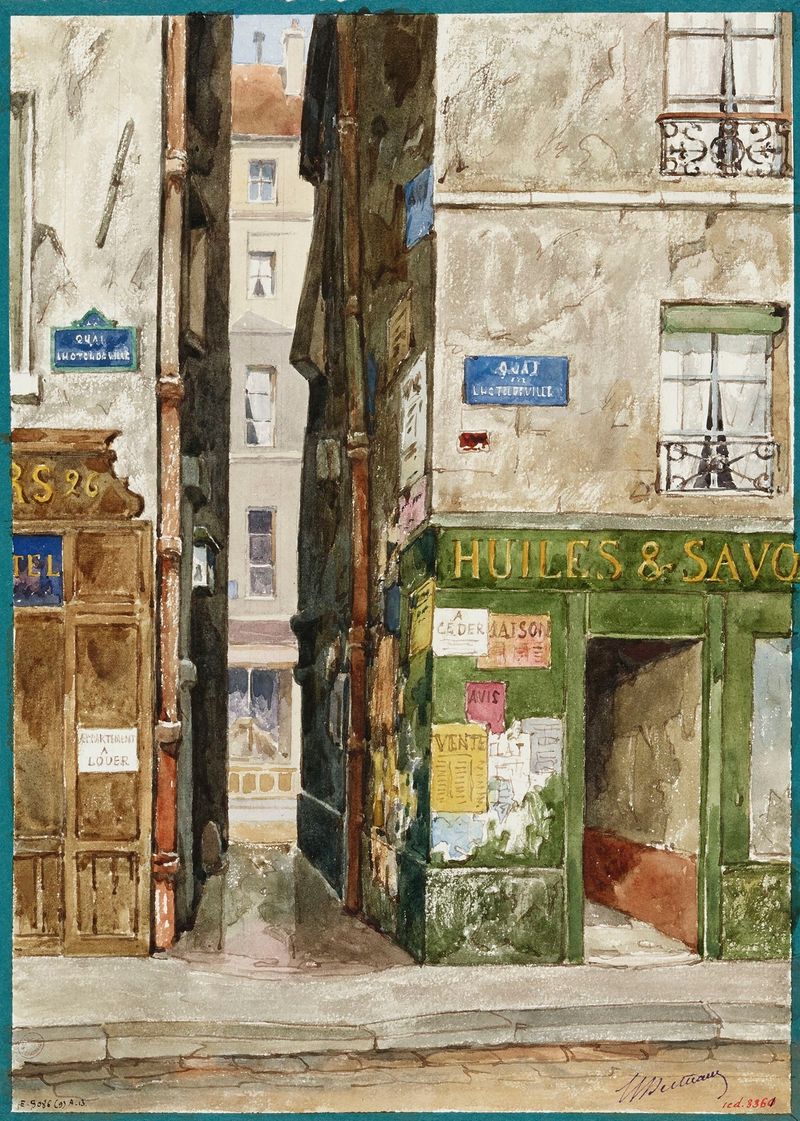
La rue du Paon blanc.
Henri Berthaut

La rue de Nevers.
Henri Berthaut
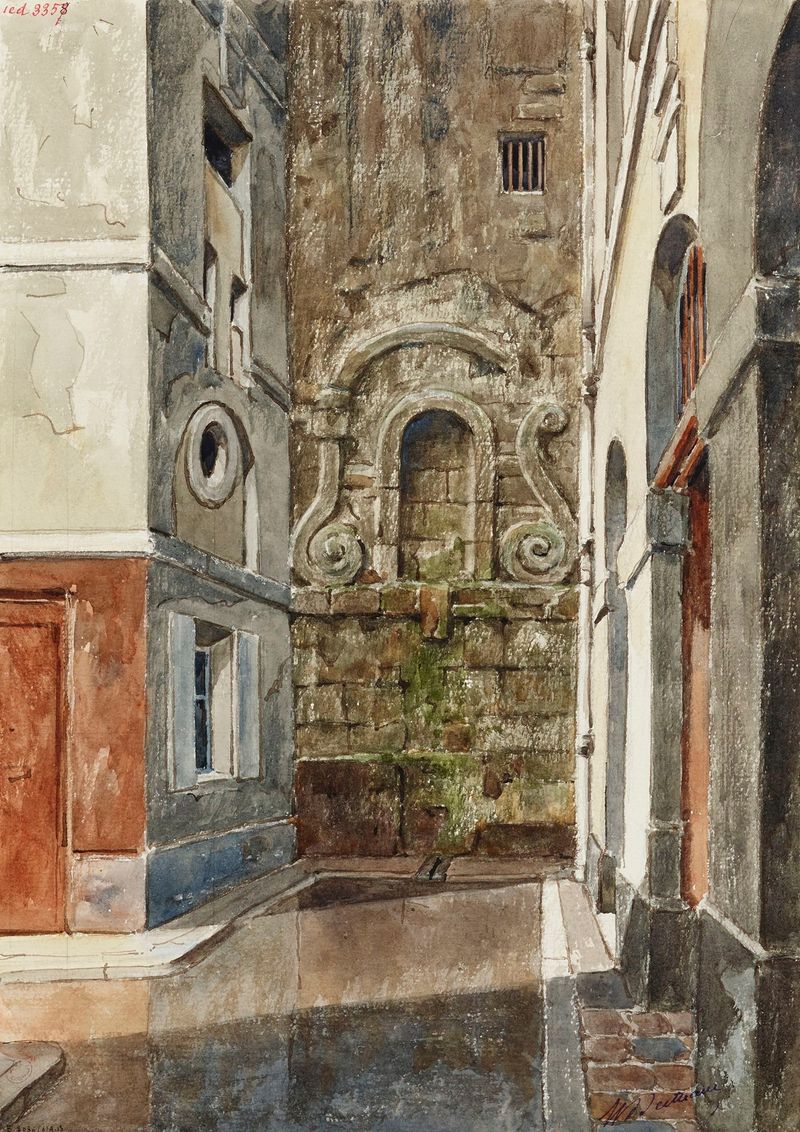
Ancienne fontaine rue Eginhard.
Henri Berthaut
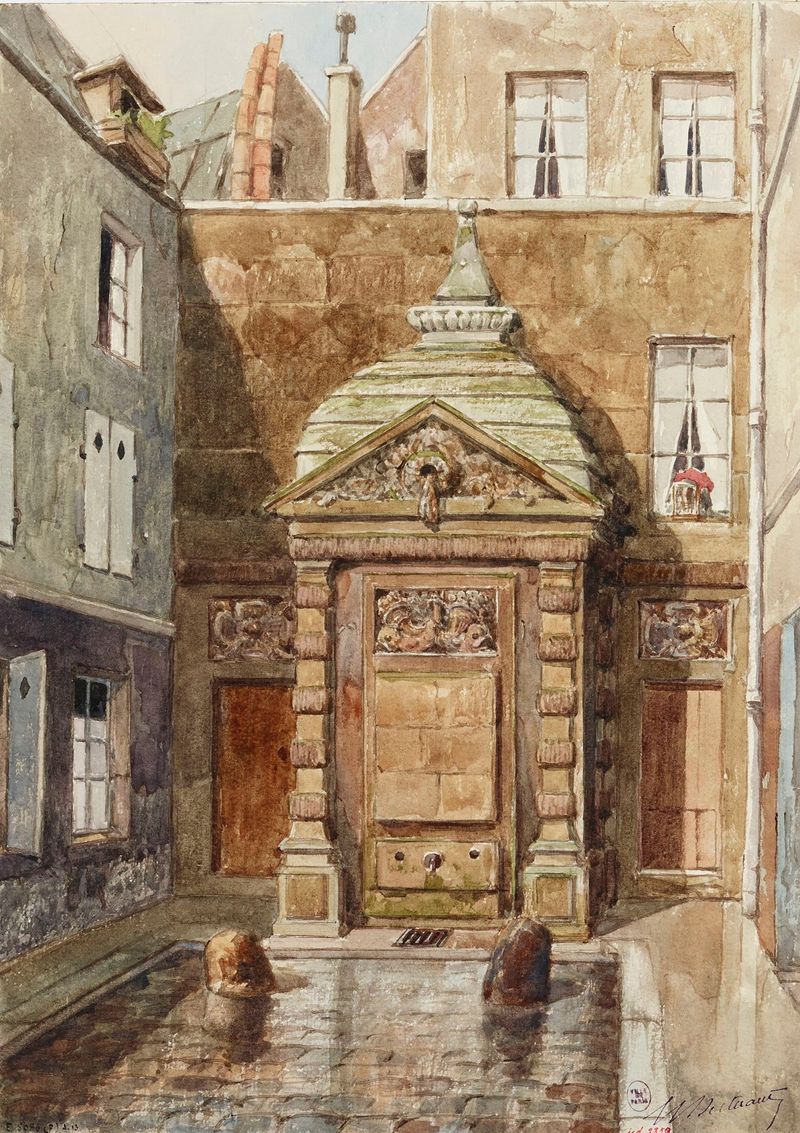
Ancienne fontaine Sainte Catherine – Impasse de laPoissonnerie.
Henri Berthaut
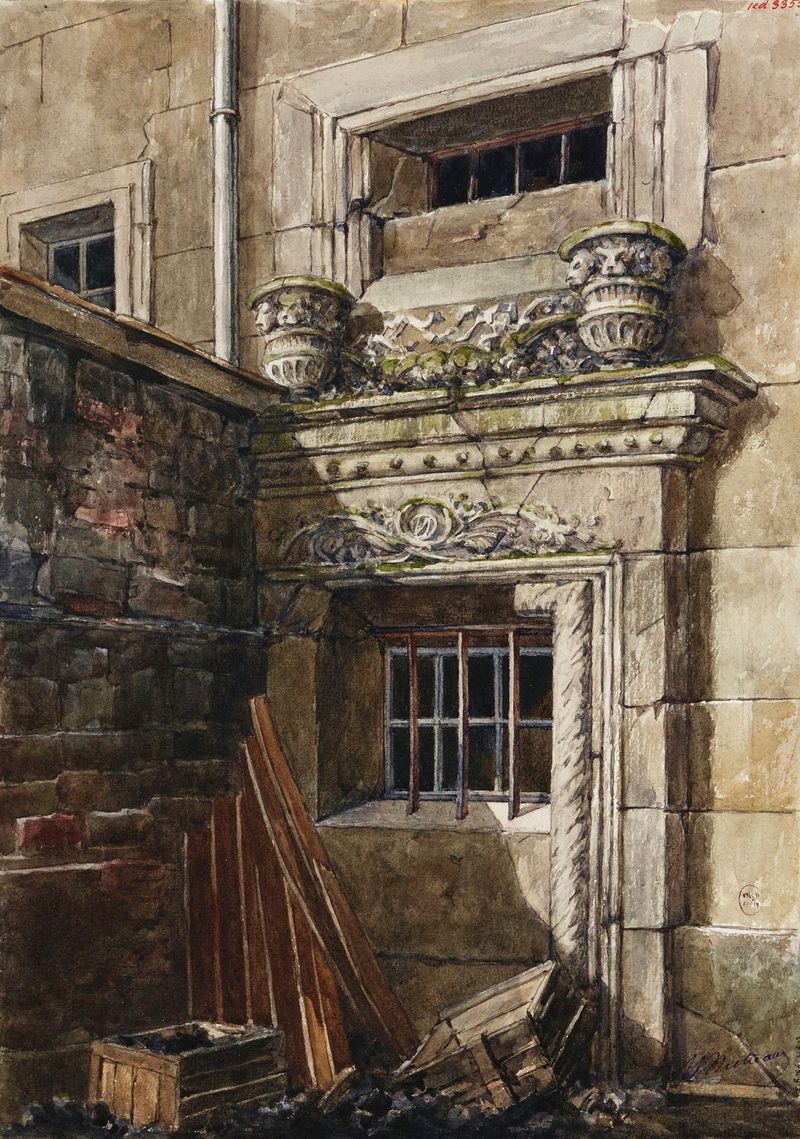
Fenêtre ornée de sculptures, courette à charbon d’une maison sise 27 rue du Jour
Henri Berthaut
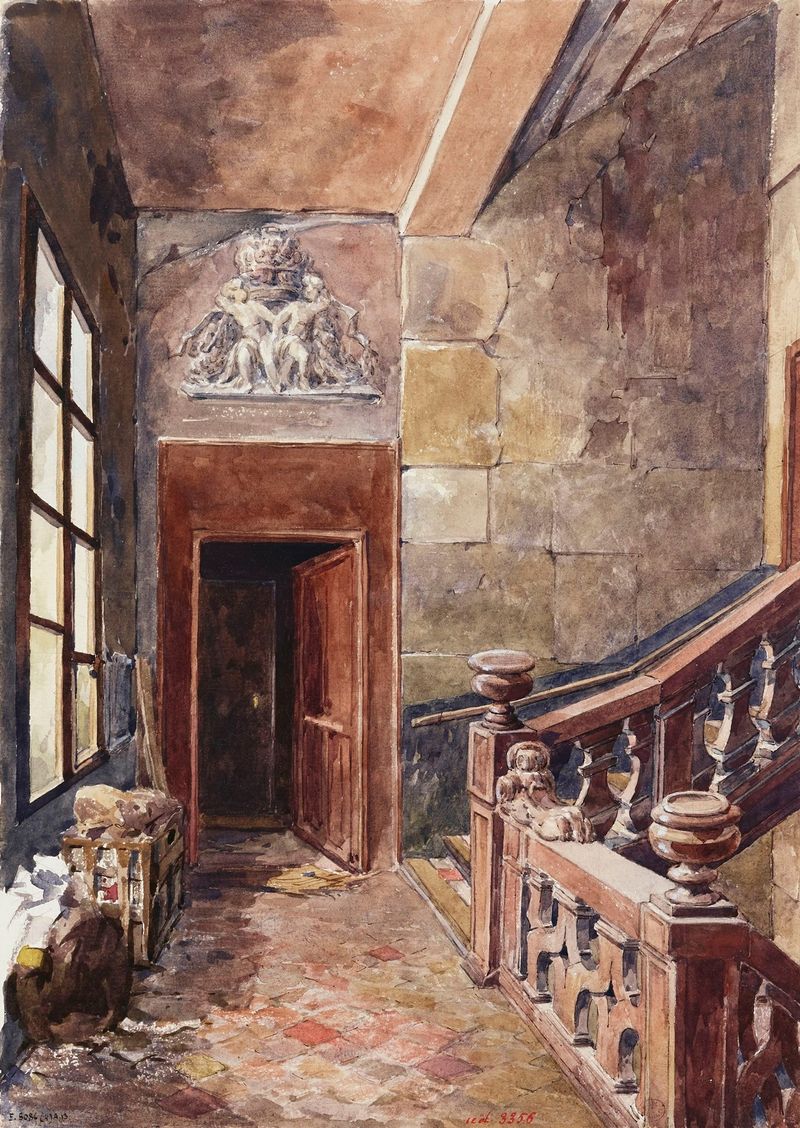
Maison nº27 rue du Jour, palier de l’escalier du premier étage
Henri Berthaut
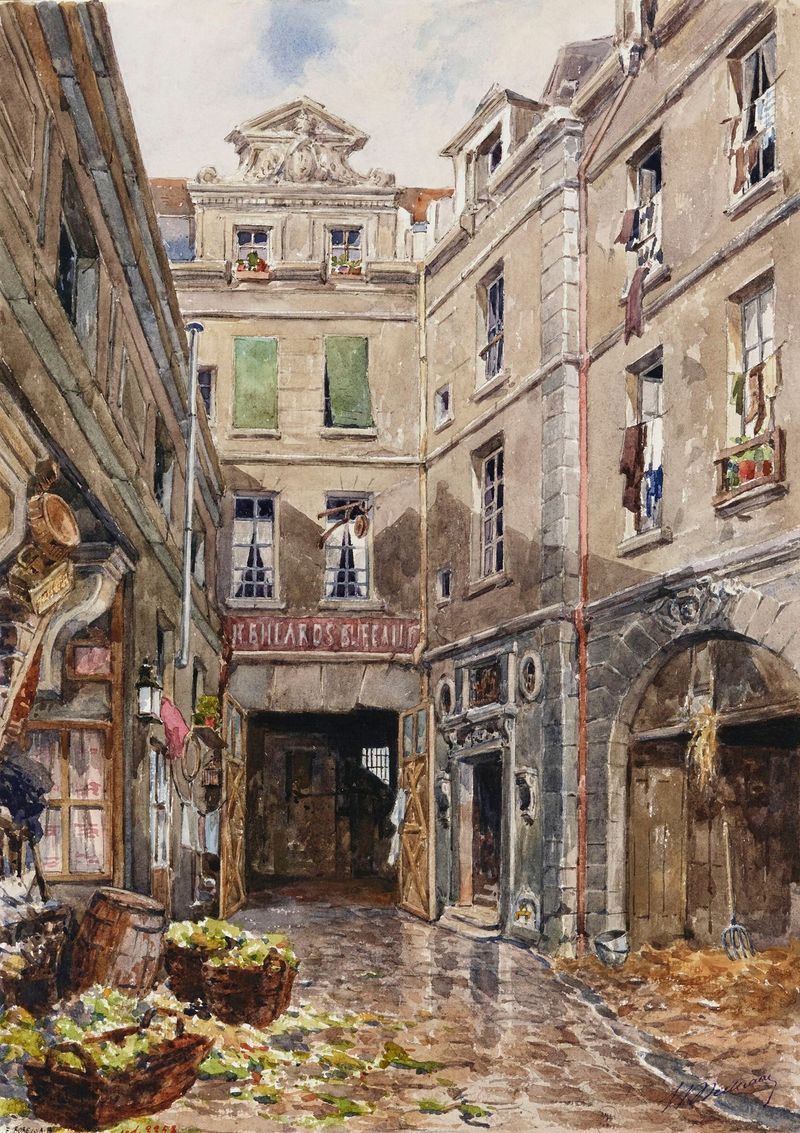
Cour d’une maison ancienne, 25 rue du Jour.
Henri Berthaut
More Architecture Art
Browse all →
The statue of Liberty
Frédéric Auguste Bartholdi

View of Houses in Delft, Known as ‘The Little Street’
Johannes Vermeer

View of Houses in Delft, Known as ‘The Little Street’
Johannes Vermeer

The Cathedral in Rouen. The portal, Grey Weather
Claude Monet

The yellow house
Vincent van Gogh

The Church in Auvers-sur-Oise, View from the Chevet
Vincent van Gogh