
Portrait of a Gentleman — History & Facts
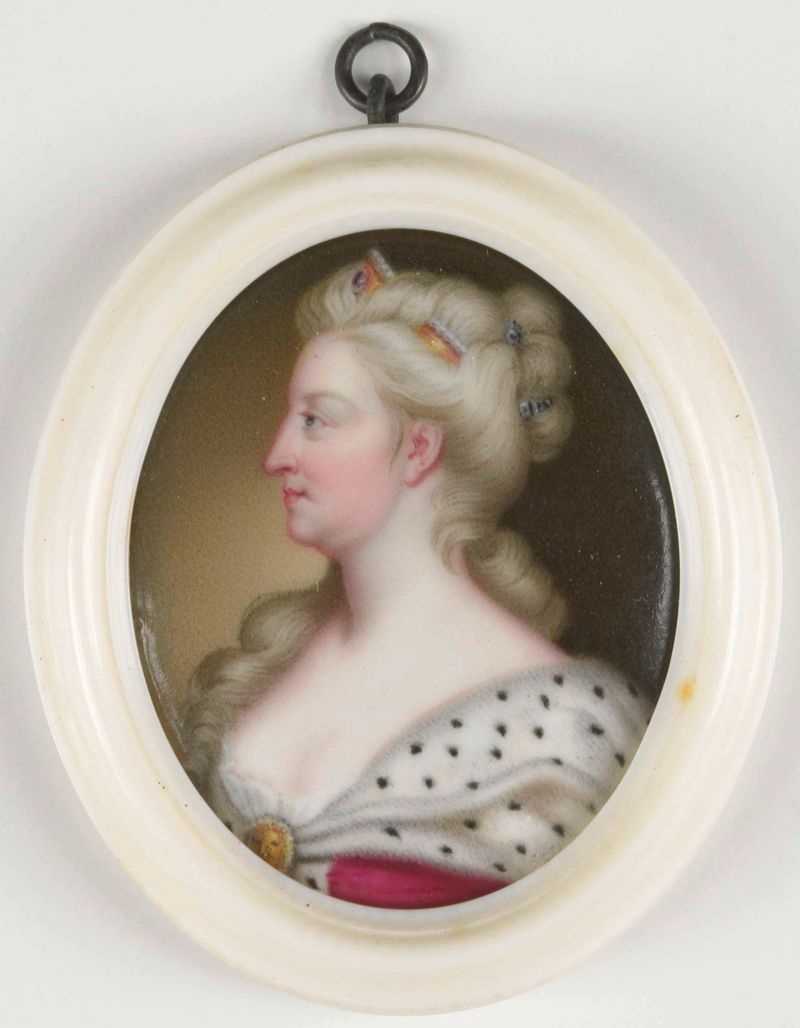
In this fleeting moment, we encounter an intimacy that transcends the passage of time, inviting us to peer into the essence of another's existence. Focus your gaze on the gentleman’s piercing eyes, which seem to hold the weight of untold stories. Notice how the subtle play of light highlights the contours of his face, bringing forth the delicate brushwork that defines his lofty brow and sharp jawline. The rich palette of deep browns and soft creams evokes a sense of nobility and melancholy, enveloping him in an aura that is both inviting and enigmatic.
The intricate lace collar draws the eye, contrasting delicately with the dark fabric of his attire, suggesting a man caught between the worlds of elegance and earnestness. Within this portrait lies a profound exploration of identity and social status. The gentleman's attire, marked by the meticulous detail of the lace, speaks to a time when appearance dictated perception, yet his expression hints at vulnerability beneath the facade of aristocracy. The slight tilt of his head suggests contemplation, urging the viewer to consider the man beyond the canvas.
This tension between surface beauty and inner complexity invites reflection on the struggles of self-representation against societal expectations. Christian Friedrich Zincke created this compelling piece in the 18th century, a period characterized by the rise of portraiture as a means to convey personal narrative and status. Working in England after his migration from Germany, he was part of a vibrant artistic scene that sought to immortalize the fashionable elite. As he honed his craft, Zincke's portraits became sought after, reflecting an era where art served as a mirror to the social landscape.
More Artworks by Christian Friedrich Zincke
Browse all →

More Portrait Art
Browse all →
Las meninas
Diego Velázquez

Self-portrait with a Bandaged Ear and Pipe
Unidentified artist

Girl with a Pearl Earring
Johannes Vermeer

The Sampling Officials of the Amsterdam Drapers’ Guild, Known as ‘The Syndics’
Rembrandt van Rijn

The Hundred Guilder Print: the man seen on the back in the lower left corner
Rembrandt van Rijn

Portrait of Dr Gachet
Vincent van Gogh