
Portrait of a Lady — History & Facts
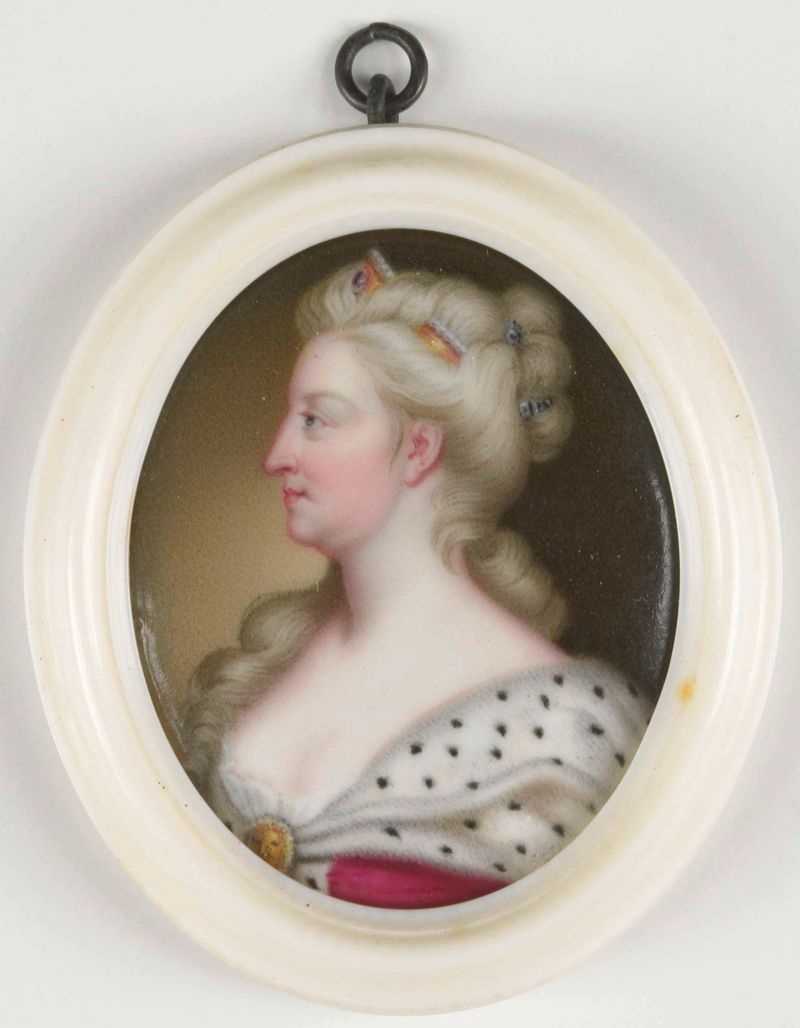
In the delicate elegance of this portrait, a palpable obsession resonates beneath the surface, inviting viewers to peer into a world where allure and melancholy intertwine. Look to the left at the lady's piercing gaze, captivating yet distant, drawing you into her innermost thoughts. Notice the intricate lace framing her face, each delicate thread a testament to the artist's meticulous craftsmanship. The soft, warm palette of golds and creams enhances her complexion, while subtle hints of deep green in the background provide a stark contrast, suggesting a depth to her character that hints at unspoken stories. Yet, it is the ambiguity in her expression that evokes deeper reflections.
The slight tilt of her head and the subtle curve of her lips present a facade of tranquility, while the tension in her brow suggests an inner turmoil. Perhaps she is caught between the pressures of societal expectations and her own desires, revealing the duality of beauty as both a gift and a burden. This interplay of light and shadow on her skin serves as a metaphor for the complexities of identity and the yearning for authenticity beneath the veneer of perfection. Created around 1730, this work emerged during a transformative period for portrait painting, as artists sought to capture not just likeness but the essence of their subjects.
Zincke, working in England after moving from Germany, found himself influenced by both aristocratic patronage and the burgeoning trends of the Rococo style. His ability to blend realism with ornate detail reflects a moment in art history where beauty was both celebrated and scrutinized, setting the stage for a deeper exploration of the human experience.
More Artworks by Christian Friedrich Zincke
Browse all →

More Portrait Art
Browse all →
Las meninas
Diego Velázquez

Self-portrait with a Bandaged Ear and Pipe
Unidentified artist

Girl with a Pearl Earring
Johannes Vermeer

The Sampling Officials of the Amsterdam Drapers’ Guild, Known as ‘The Syndics’
Rembrandt van Rijn

The Hundred Guilder Print: the man seen on the back in the lower left corner
Rembrandt van Rijn

Portrait of Dr Gachet
Vincent van Gogh