
Portrait of a Man — History & Facts
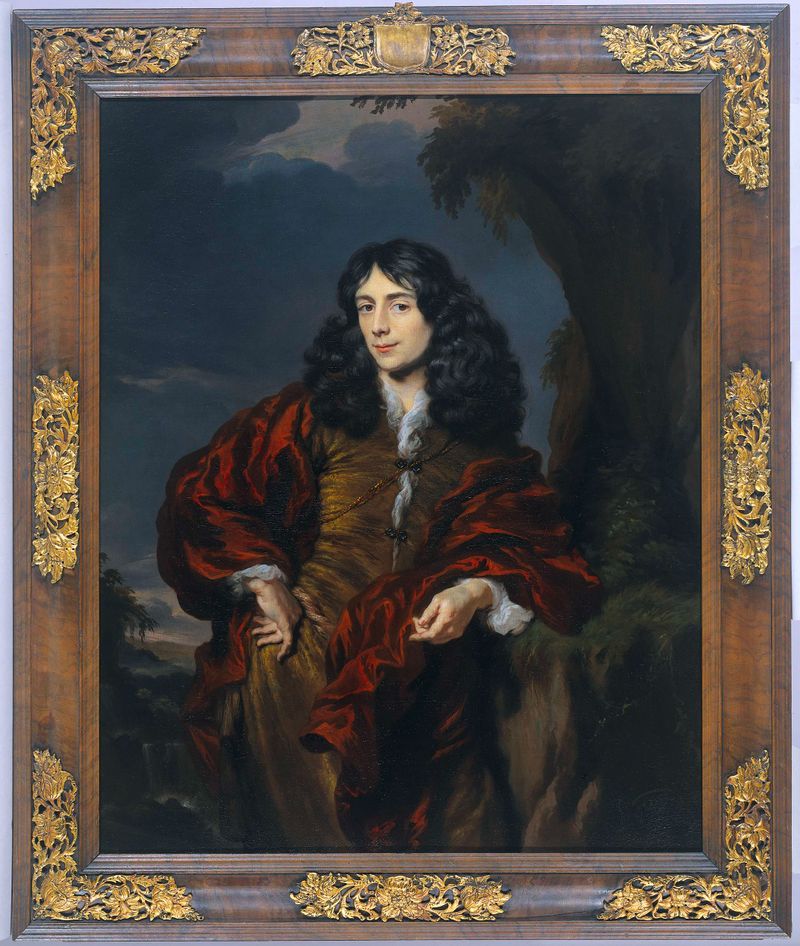
Who listens when art speaks of silence? In the quiet intensity of Portrait of a Man, the viewer is invited into a moment steeped in truth, a stillness that resonates beyond the canvas. Focus on the man’s gaze, direct and unwavering, drawing you in with a magnetic force. Notice how the light gently caresses his face, accentuating the contours of his expression, while shadows cling to the edges, creating a subtle tension. The rich palette of earthy browns and deep greens envelops him, evoking a sense of gravitas and depth, as if the very colors hold secrets of the past.
Every brushstroke is deliberate, revealing the artist's mastery in capturing both character and emotion. Beneath the surface lies a complex narrative; the juxtaposition of light and shadow speaks to the duality of human nature. The man’s stoic expression hints at unspoken stories, perhaps hinting at vulnerabilities hidden beneath a facade of strength. The textured fabric of his attire further enriches the painting, suggesting a social status that contrasts with the raw honesty present in his eyes, a balance between worldly success and inner truth. In 1676, during a transformative moment for Dutch portraiture, Nicolaes Maes created this work amidst a burgeoning art scene that celebrated individuality and realism.
Having transitioned from an apprentice of Rembrandt, Maes was establishing his own identity as a master in capturing the human likeness, reflecting the era's fascination with both the external and the internal self. This painting stands as a testament to his evolving style and the cultural milieu of his time.
More Artworks by Nicolaes Maes
Browse all →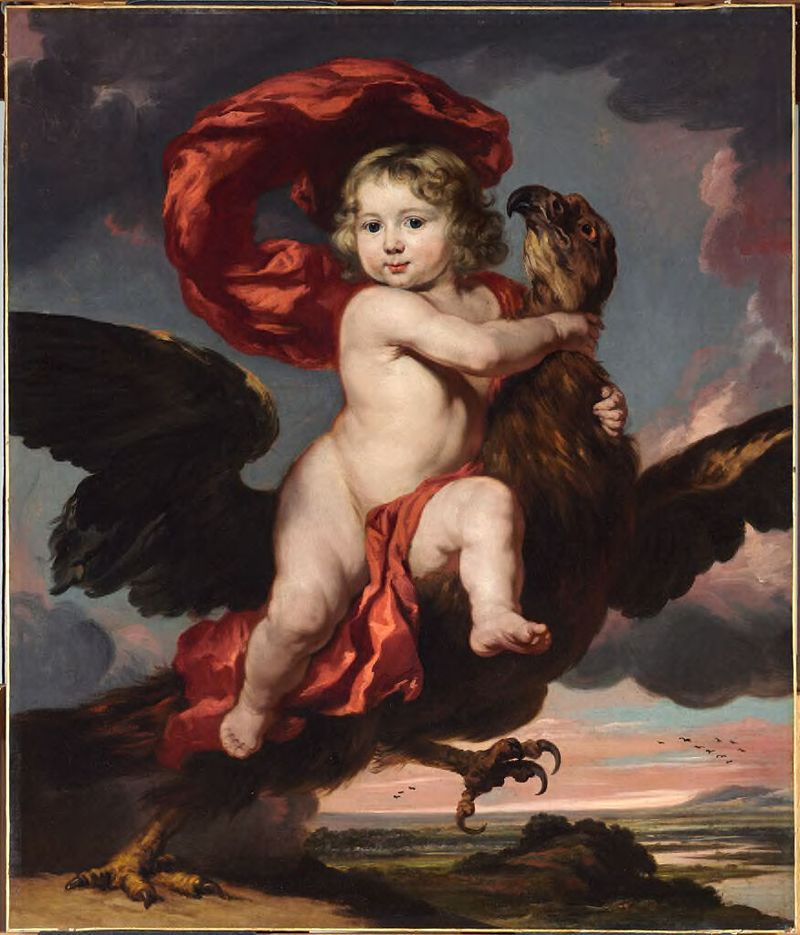
Portrait of George Bredehoff de Vicq as Ganymede
Nicolaes Maes

Portrait of a Woman
Nicolaes Maes
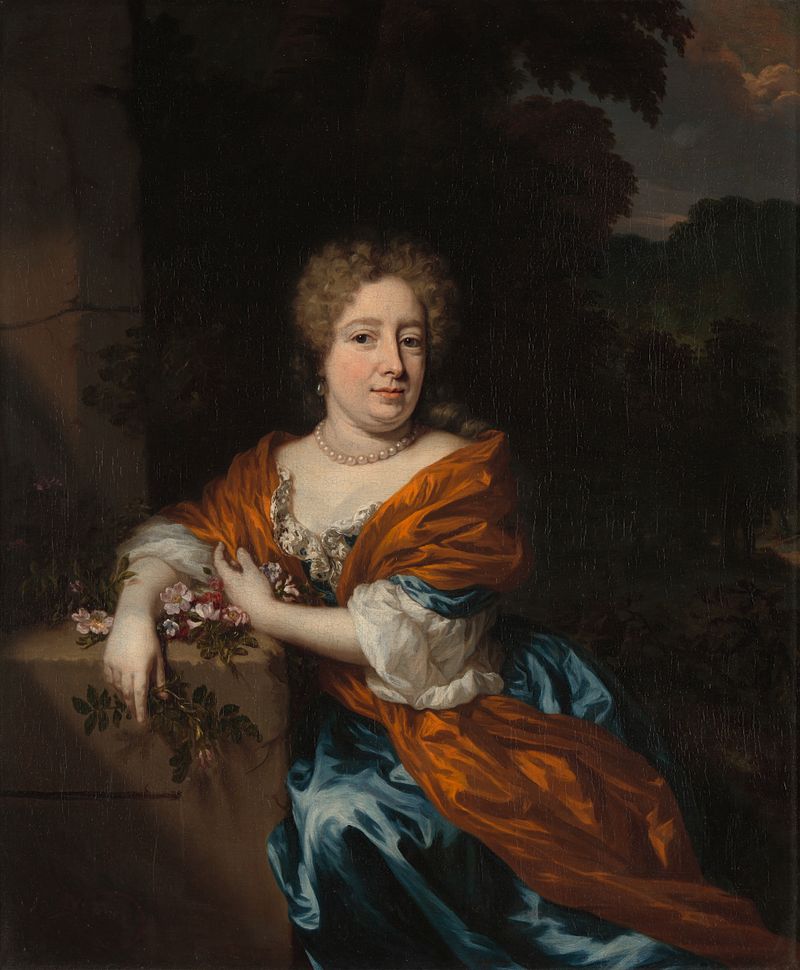
Portrait of Petronella Dunois
Nicolaes Maes

Portrait of a Woman
Nicolaes Maes

Portrait of a Man
Nicolaes Maes

Portrait of a Man
Nicolaes Maes
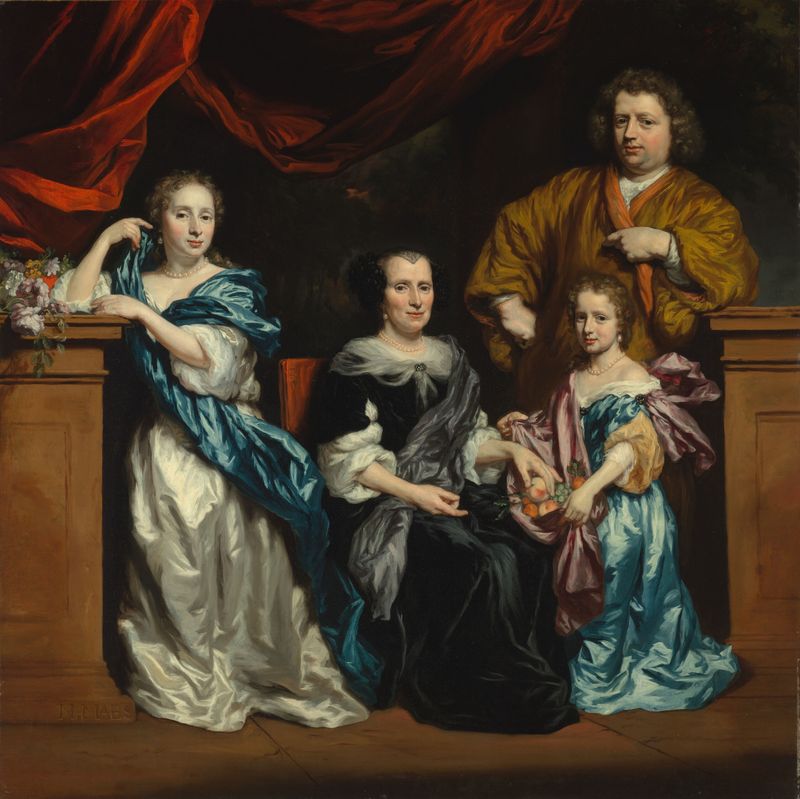
A Family Group
Nicolaes Maes
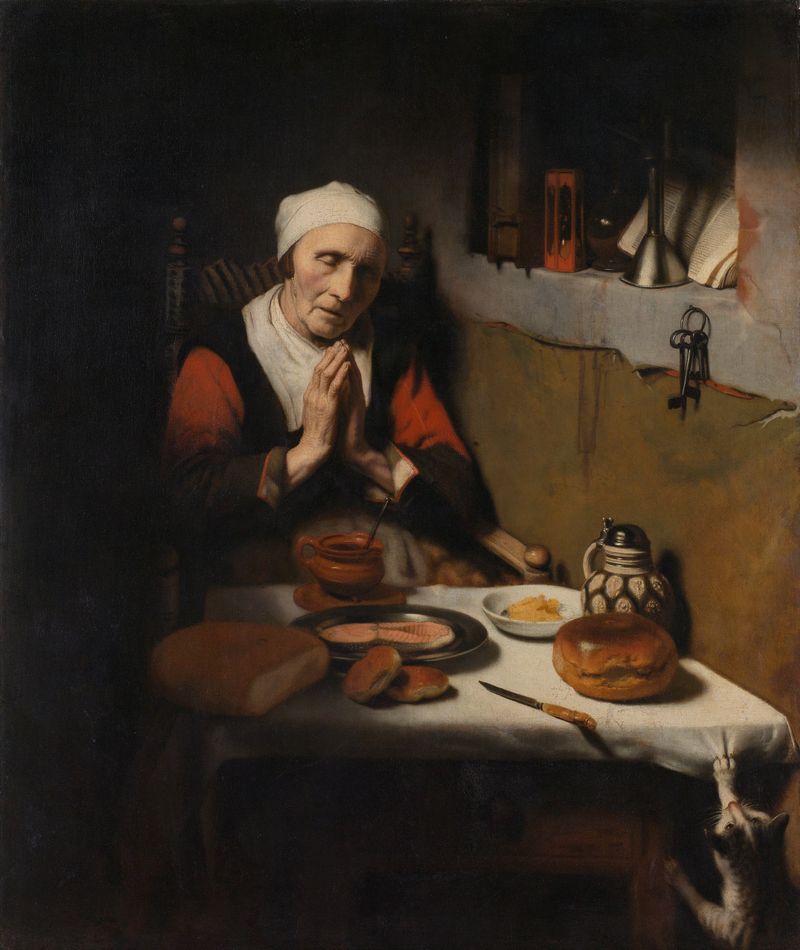
Old Woman Saying Grace, Known as ‘The Prayer without End’
Nicolaes Maes
Portrait of a young man, possibly Simon van Alphen (1650-1730)
Nicolaes Maes
More Portrait Art
Browse all →
Las meninas
Diego Velázquez

Self-portrait with a Bandaged Ear and Pipe
Unidentified artist

Girl with a Pearl Earring
Johannes Vermeer

The Sampling Officials of the Amsterdam Drapers’ Guild, Known as ‘The Syndics’
Rembrandt van Rijn

The Hundred Guilder Print: the man seen on the back in the lower left corner
Rembrandt van Rijn

Portrait of Dr Gachet
Vincent van Gogh