
Portrait of a Man — History & Facts
Could beauty survive in a century of chaos? In the Portrait of a Man, the question lingers, inviting the viewer to contemplate the nature of identity and the ephemeral quality of dreams. Focus first on the figure's penetrating gaze, drawing you in with its intensity. Notice how the rich, dark background contrasts with the luminous highlights on his face and clothing, creating a striking focal point. The masterful interplay of light and shadow reveals not just the physical features but also an inner world, a dream suspended between reality and imagination.
The texture of the man's attire, rendered in deep blues and ochres, suggests both elegance and the weight of his societal role. The subtlety of expression speaks volumes; the slight upward tilt of his head combined with a hint of a smile suggests confidence yet hints at vulnerability. The juxtaposition of his calm demeanor against the tumultuous backdrop of 17th-century Europe—marked by political upheaval and social change—evokes a poignant contrast between personal ambition and the chaos surrounding him. It is as if the man holds within him a dream of beauty amidst the disorder, a silent resilience in the face of uncertainty. Nicolaes Maes painted this portrait around 1655 during his period in Amsterdam, where he transitioned from genre painting to portraiture.
At this time, the art scene was burgeoning with the influence of Rembrandt, and Maes sought to capture not only likenesses but also the essence of his subjects. This was a time of great change in the Netherlands, where the economic prosperity of the Dutch Golden Age was being challenged, and art reflected both the hope and strife of society.
More Artworks by Nicolaes Maes
Browse all →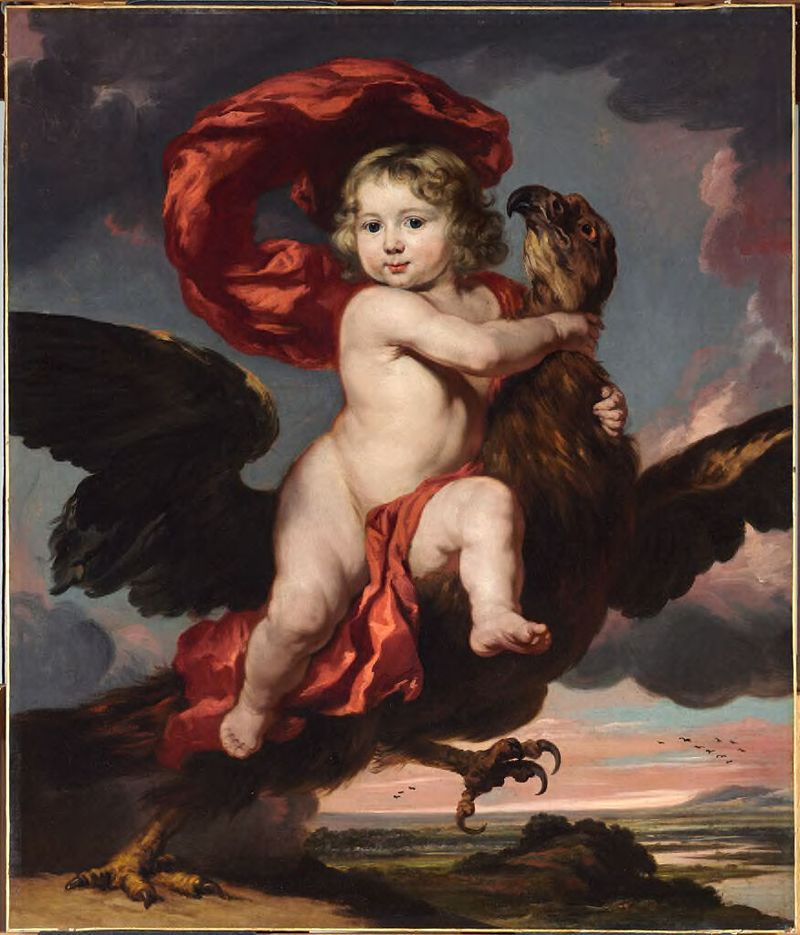
Portrait of George Bredehoff de Vicq as Ganymede
Nicolaes Maes
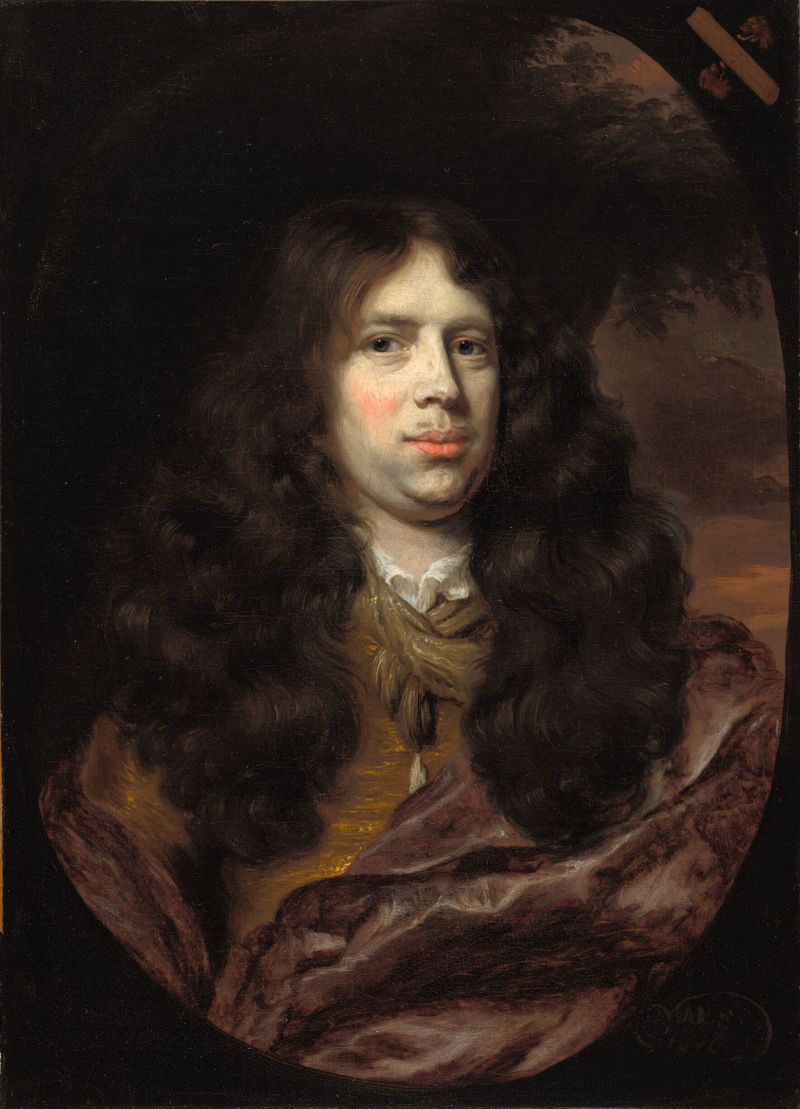
Portrait of a Man
Nicolaes Maes

Portrait of a Woman
Nicolaes Maes
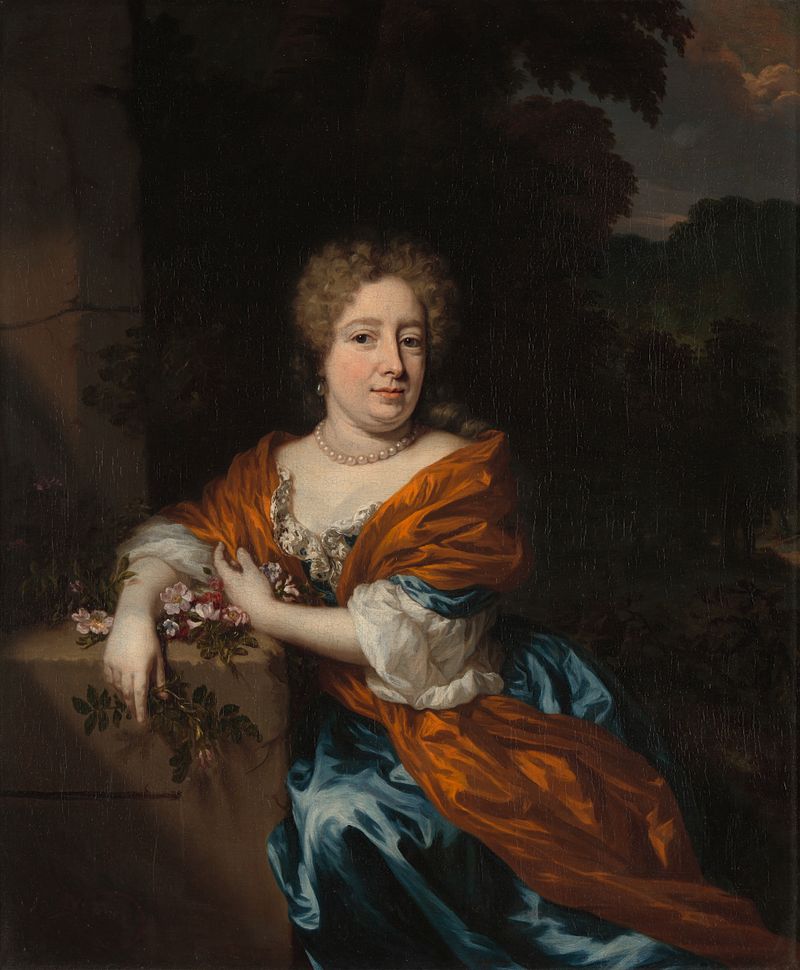
Portrait of Petronella Dunois
Nicolaes Maes

Portrait of a Woman
Nicolaes Maes

Portrait of a Man
Nicolaes Maes
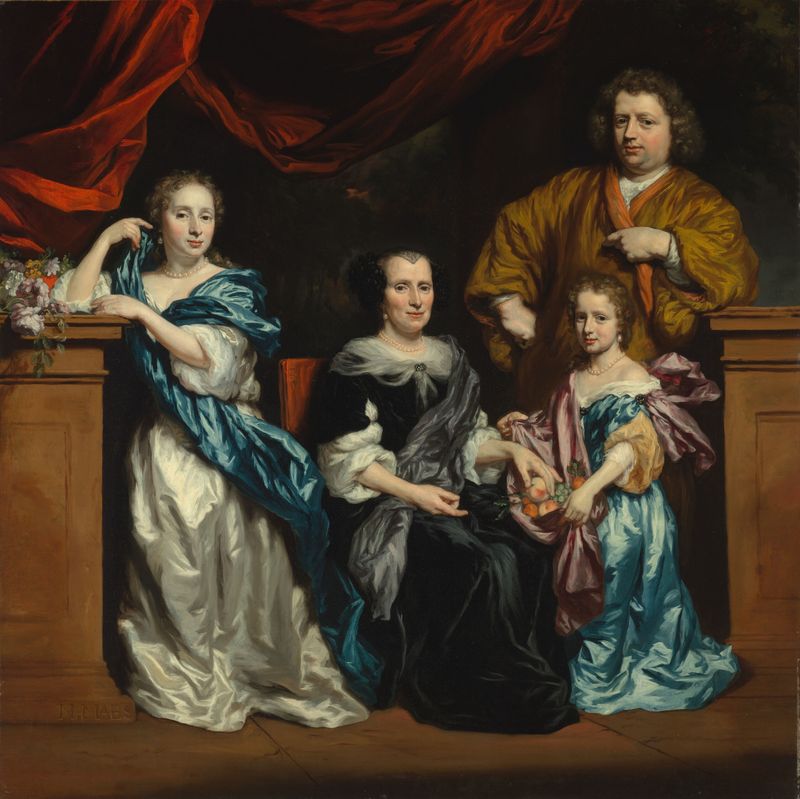
A Family Group
Nicolaes Maes
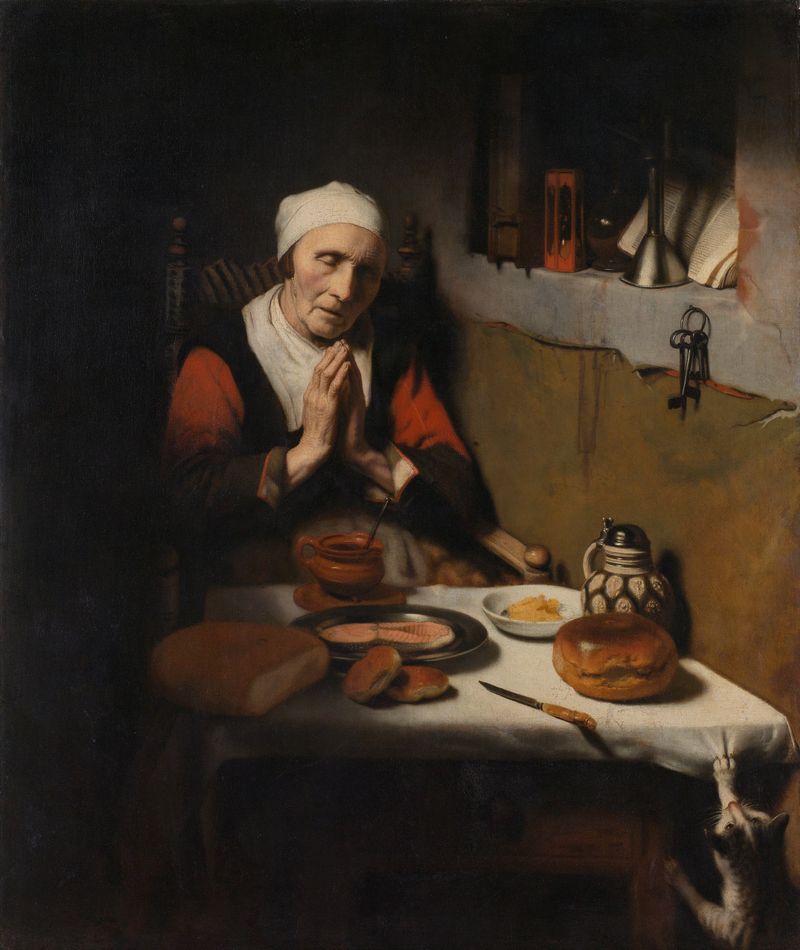
Old Woman Saying Grace, Known as ‘The Prayer without End’
Nicolaes Maes
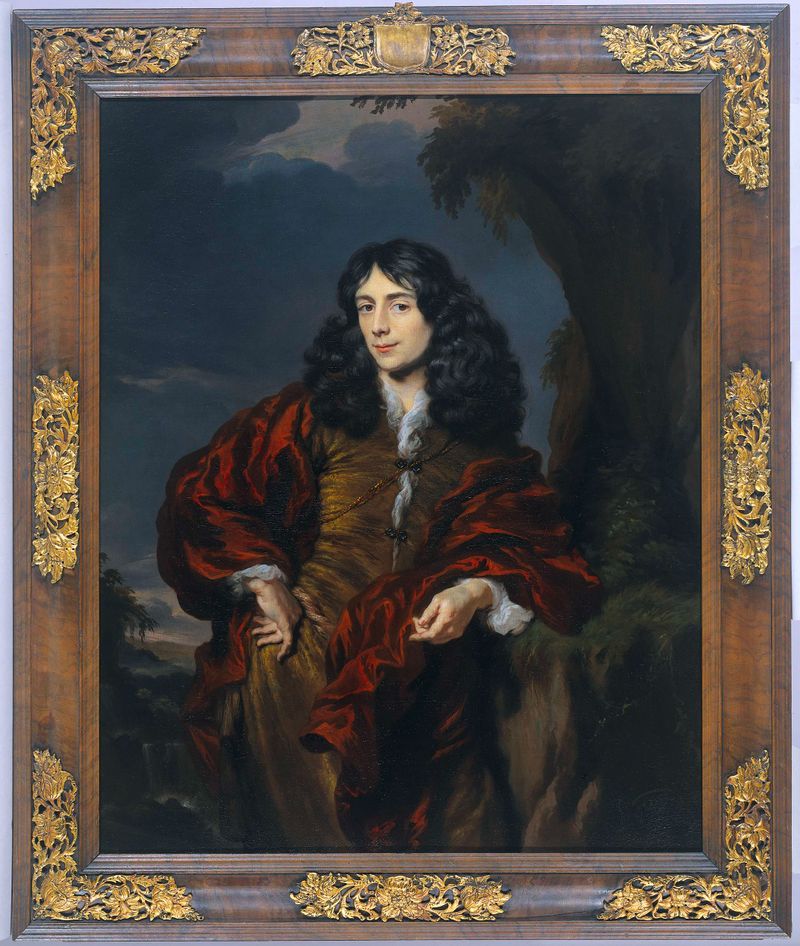
Portrait of a young man, possibly Simon van Alphen (1650-1730)
Nicolaes Maes
More Portrait Art
Browse all →
Las meninas
Diego Velázquez

Self-portrait with a Bandaged Ear and Pipe
Unidentified artist

Girl with a Pearl Earring
Johannes Vermeer

The Sampling Officials of the Amsterdam Drapers’ Guild, Known as ‘The Syndics’
Rembrandt van Rijn

The Hundred Guilder Print: the man seen on the back in the lower left corner
Rembrandt van Rijn

Portrait of Dr Gachet
Vincent van Gogh