
Portrait of a Woman — History & Facts
Could beauty survive in a century of chaos? In the delicate features of a woman portrayed in the 17th century, a haunting truth emerges that transcends time. Focus on her gaze, slightly turned away, yet inviting. Notice how the soft light caresses her face, revealing a subtle play of shadows that enhances her serene expression. The rich, deep colors of her attire contrast with the background, enveloping her in an aura of calm amidst an unseen storm.
Each brushstroke captures not just her likeness, but suggests the weight of unspoken thoughts and emotions lingering in the air. Delve deeper into the fabric of her dress, the intricate details that hint at her social standing, yet beneath that opulence lies an unnerving stillness. The soft palette evokes a sense of vulnerability, while the meticulous attention to her hands — poised gracefully yet tightly clasped — communicates a tension between confidence and uncertainty. This duality speaks to the complexities of womanhood during a chaotic era, where beauty could be both a shield and a vulnerability. During the late 17th century, Maes created this work amidst the flourishing Dutch Golden Age, a time marked by social upheaval and artistic innovation.
Having trained under Rembrandt, he embraced a style rich in realism and emotional depth. Reflecting the societal shifts of his time, his portraits often depicted the inner lives of his subjects, capturing a moment of stillness that invites viewers to ponder the deeper truths behind the surface of beauty.
More Artworks by Nicolaes Maes
Browse all →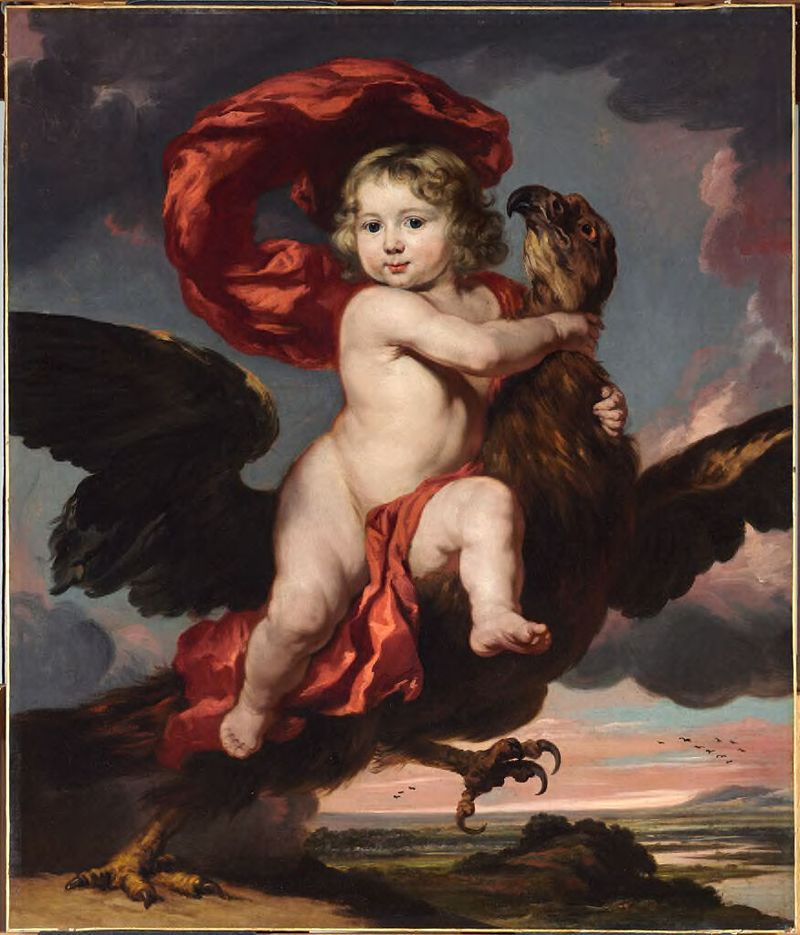
Portrait of George Bredehoff de Vicq as Ganymede
Nicolaes Maes
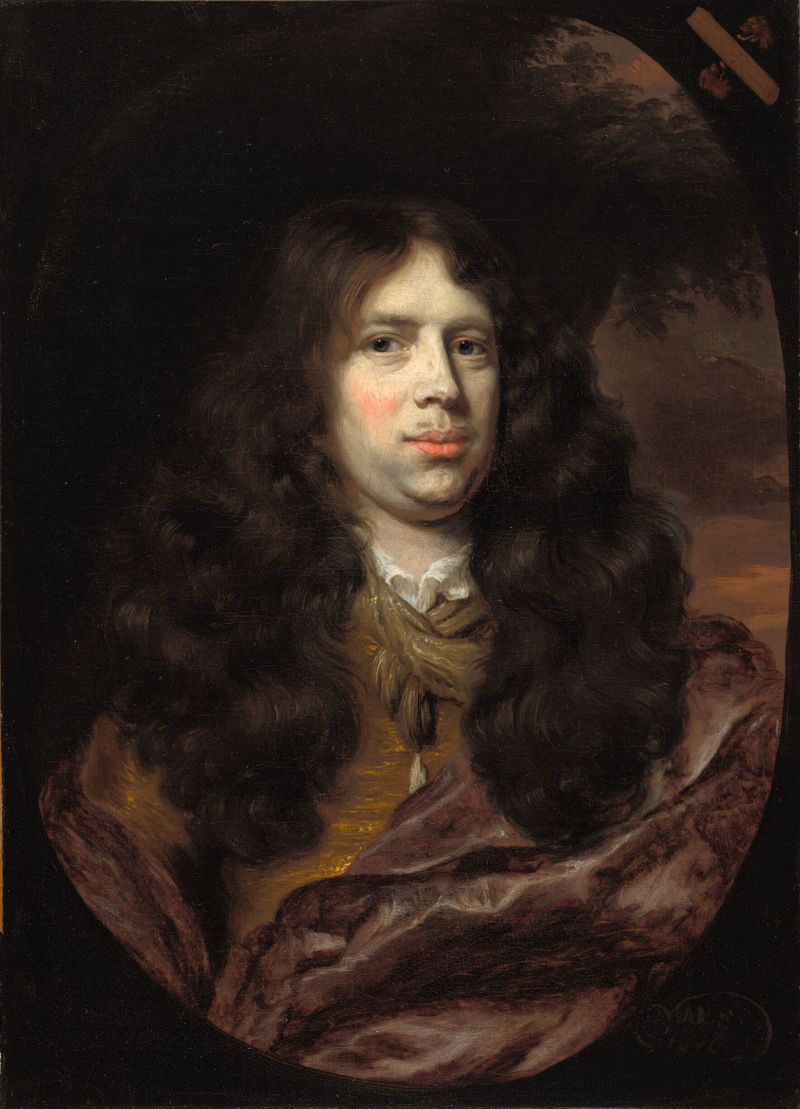
Portrait of a Man
Nicolaes Maes
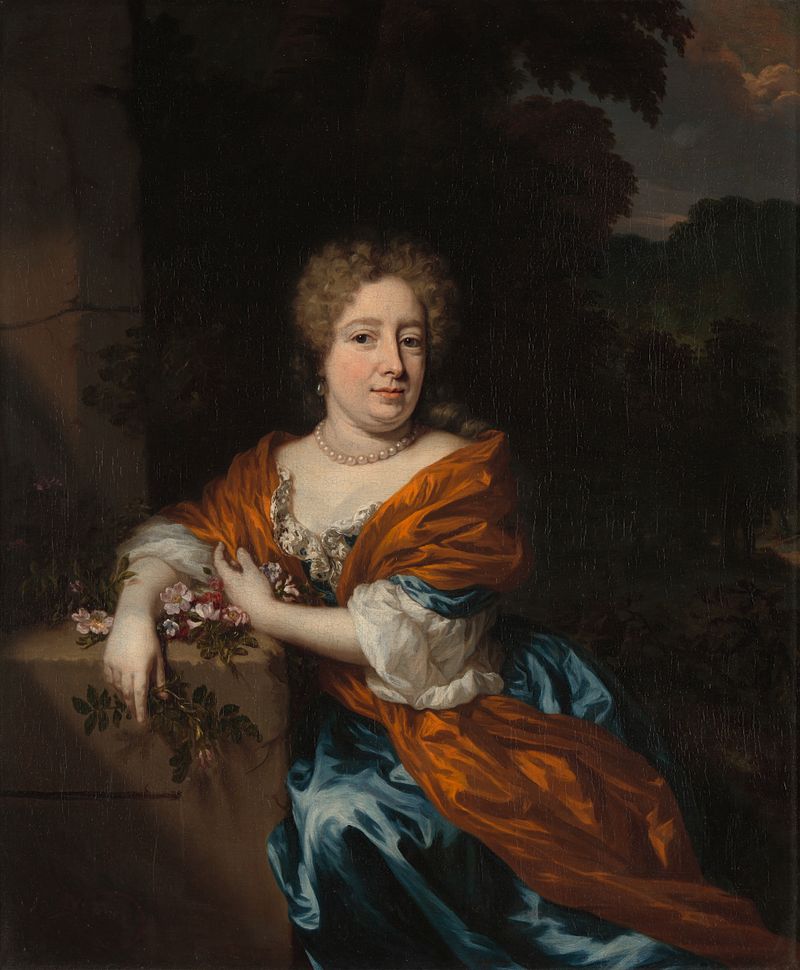
Portrait of Petronella Dunois
Nicolaes Maes

Portrait of a Woman
Nicolaes Maes

Portrait of a Man
Nicolaes Maes

Portrait of a Man
Nicolaes Maes
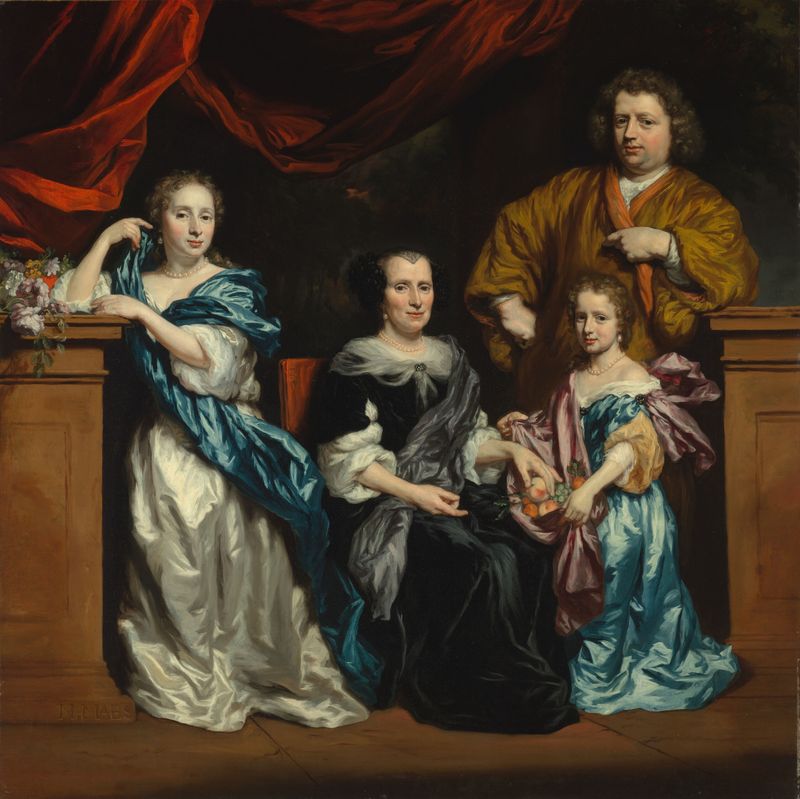
A Family Group
Nicolaes Maes
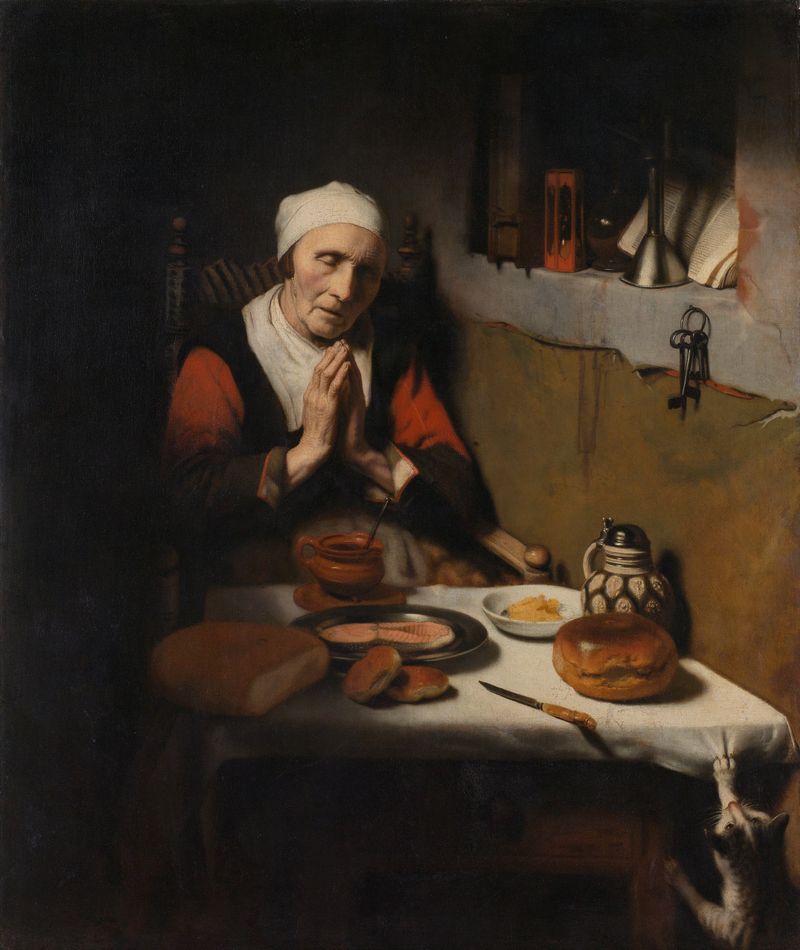
Old Woman Saying Grace, Known as ‘The Prayer without End’
Nicolaes Maes
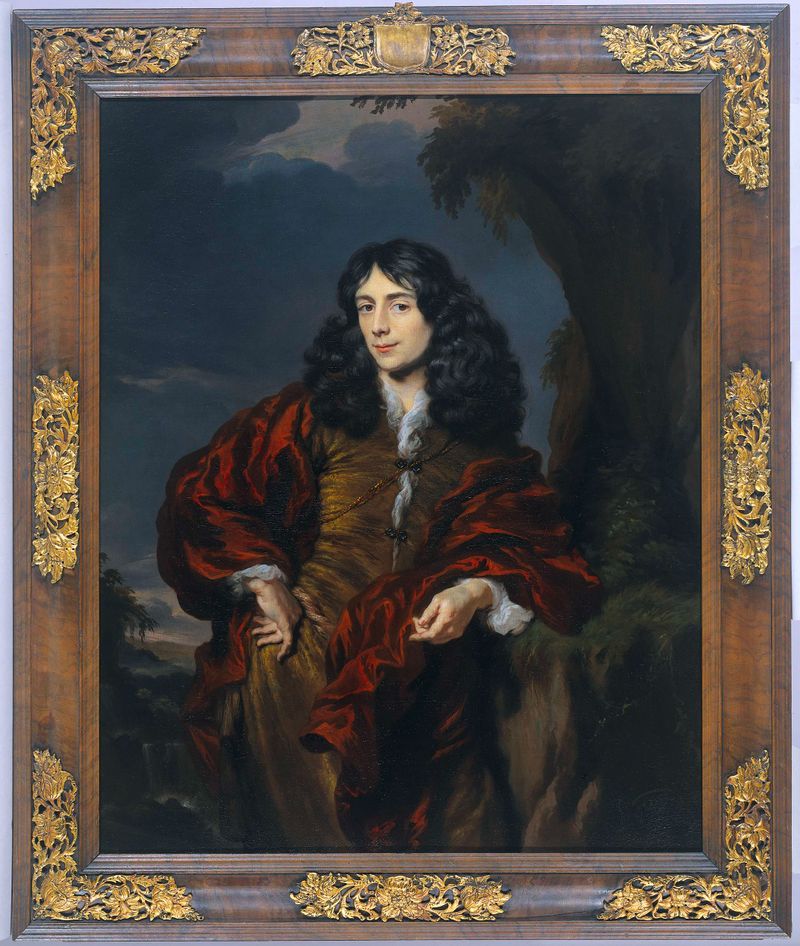
Portrait of a young man, possibly Simon van Alphen (1650-1730)
Nicolaes Maes
More Portrait Art
Browse all →
Las meninas
Diego Velázquez

Self-portrait with a Bandaged Ear and Pipe
Unidentified artist

Girl with a Pearl Earring
Johannes Vermeer

The Sampling Officials of the Amsterdam Drapers’ Guild, Known as ‘The Syndics’
Rembrandt van Rijn

The Hundred Guilder Print: the man seen on the back in the lower left corner
Rembrandt van Rijn

Portrait of Dr Gachet
Vincent van Gogh