
Portrait of Cardinal Zelada — History & Facts
In the stillness of a moment captured on canvas, desire swells like a hidden current beneath serene surfaces, revealing the profound longing nestled within the human spirit. Focus first on the deep, penetrating gaze of Cardinal Zelada, whose eyes seem to hold an entire world of unvoiced thoughts and intentions. The rich, velvety reds and lustrous golds of his attire create a striking contrast against the soft, muted background, drawing your attention directly to him. Notice how the fabric drapes elegantly, each fold meticulously rendered, evoking a sense of both authority and vulnerability.
The gentle play of light across his face enhances the subtlety of his expression, suggesting a man caught between duty and unfulfilled aspirations. Beneath the surface of this regal portrait lies a tension between position and personal desire. The ornate details of the cardinal’s vestments symbolize his high ecclesiastical status, yet his thoughtful demeanor speaks to a longing for deeper connection, perhaps to the divine or to those he serves. The contrast between the grandeur of his clothing and the intimacy of his gaze creates a poignant dialogue about power and the human experience, inviting viewers to reflect on their own desires and sacrifices. In 1773, Anton Raphael Mengs painted this work during a time of great change in the art world, embracing the ideals of neoclassicism.
Residing in Rome, Mengs was respected for his ability to blend classical elements with the vibrancy of the Baroque style. As Europe experienced political and social upheaval, the artist sought to convey emotional depth in his portraits, capturing not just the likeness of his subjects, but their inner complexities and humanity as well.
More Artworks by Anton Raphael Mengs
Browse all →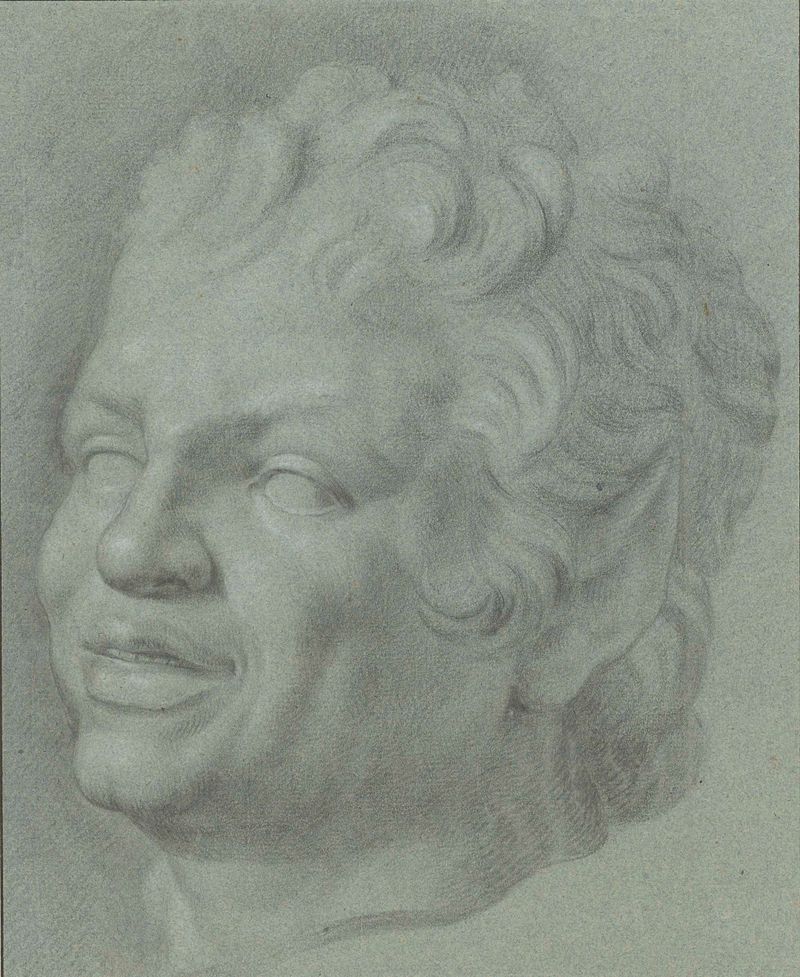
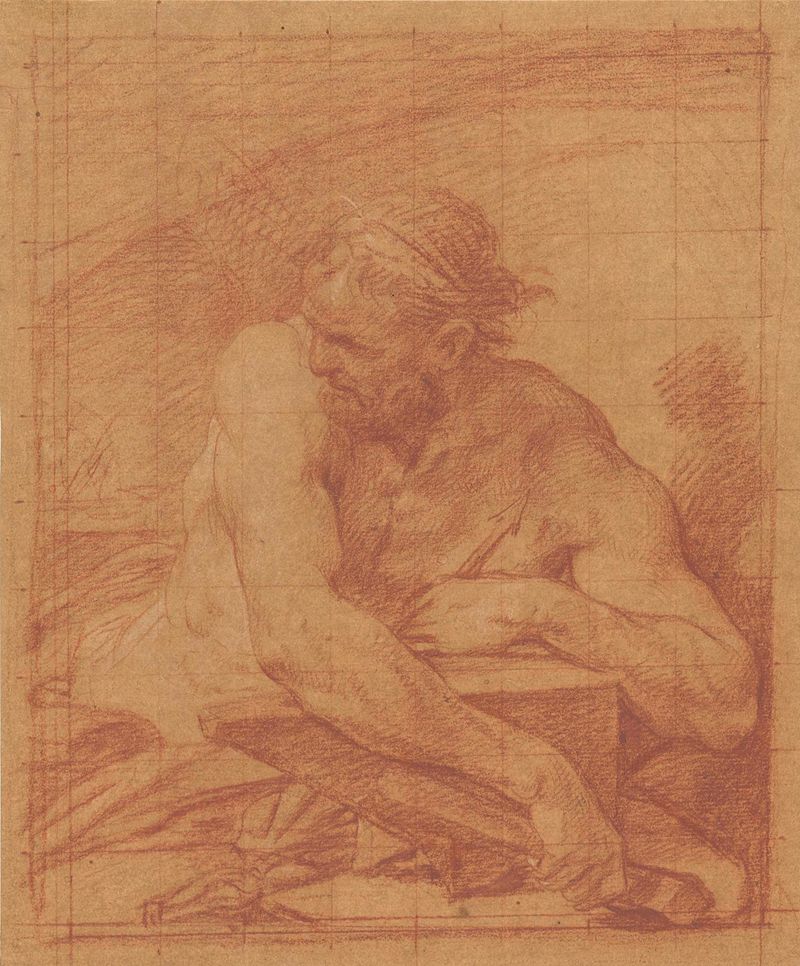

More Portrait Art
Browse all →
Las meninas
Diego Velázquez

Self-portrait with a Bandaged Ear and Pipe
Unidentified artist

Girl with a Pearl Earring
Johannes Vermeer

The Sampling Officials of the Amsterdam Drapers’ Guild, Known as ‘The Syndics’
Rembrandt van Rijn

The Hundred Guilder Print: the man seen on the back in the lower left corner
Rembrandt van Rijn

Portrait of Dr Gachet
Vincent van Gogh