Vulcanus — History & Facts
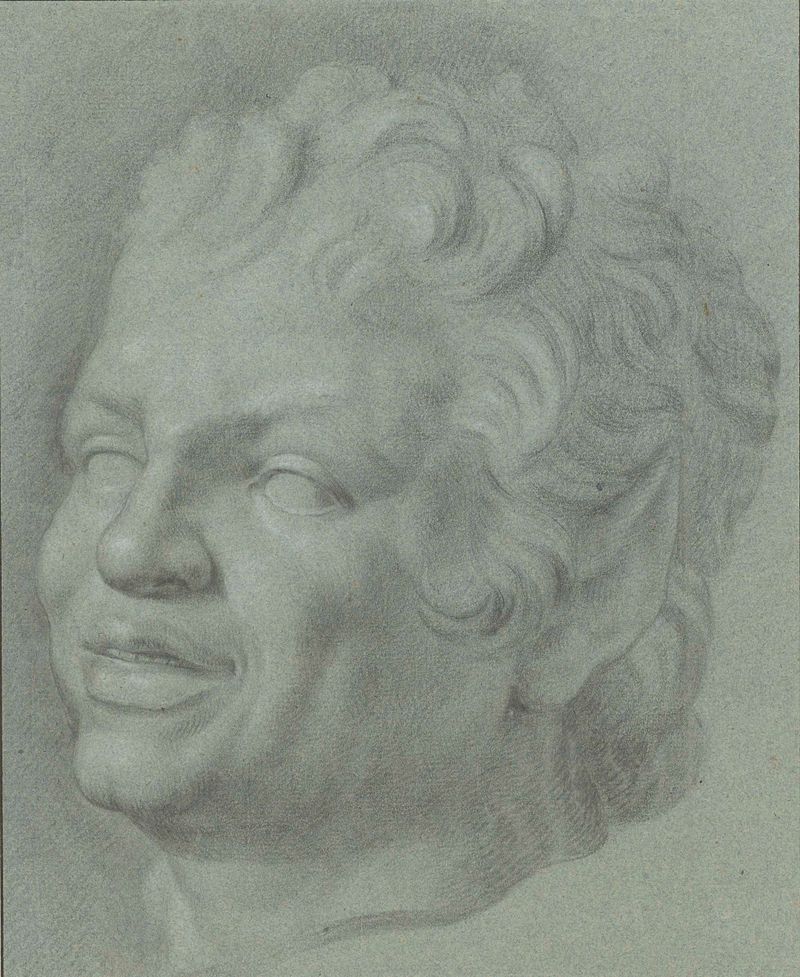
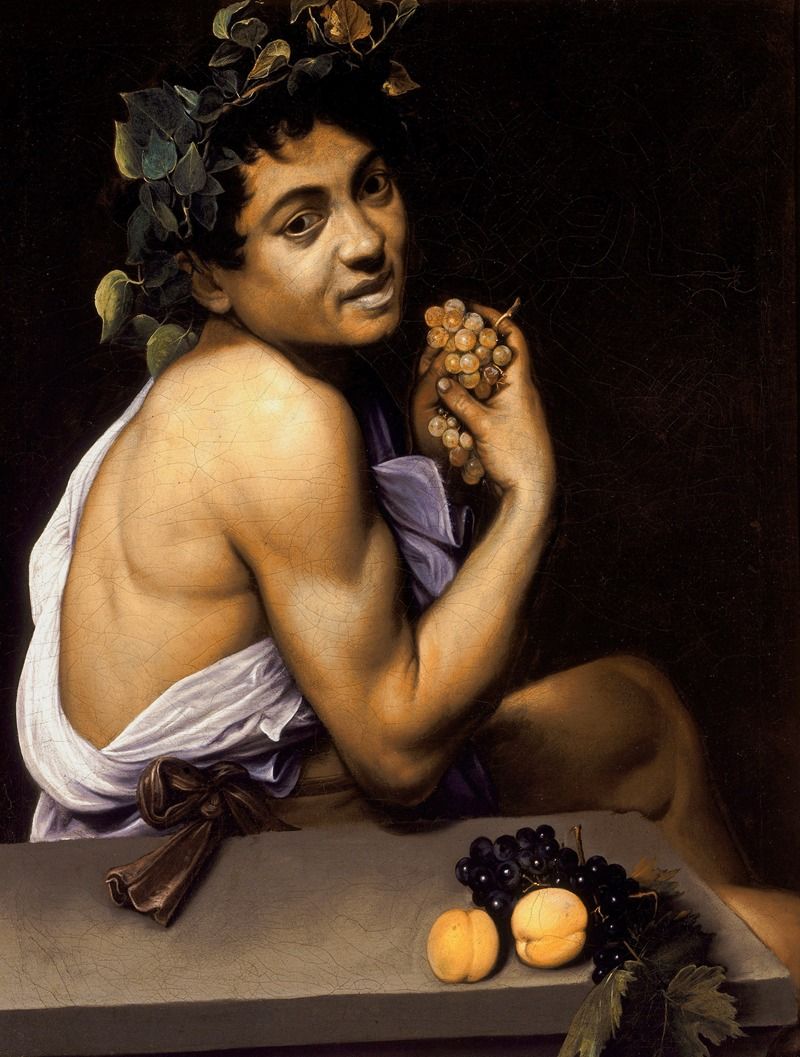
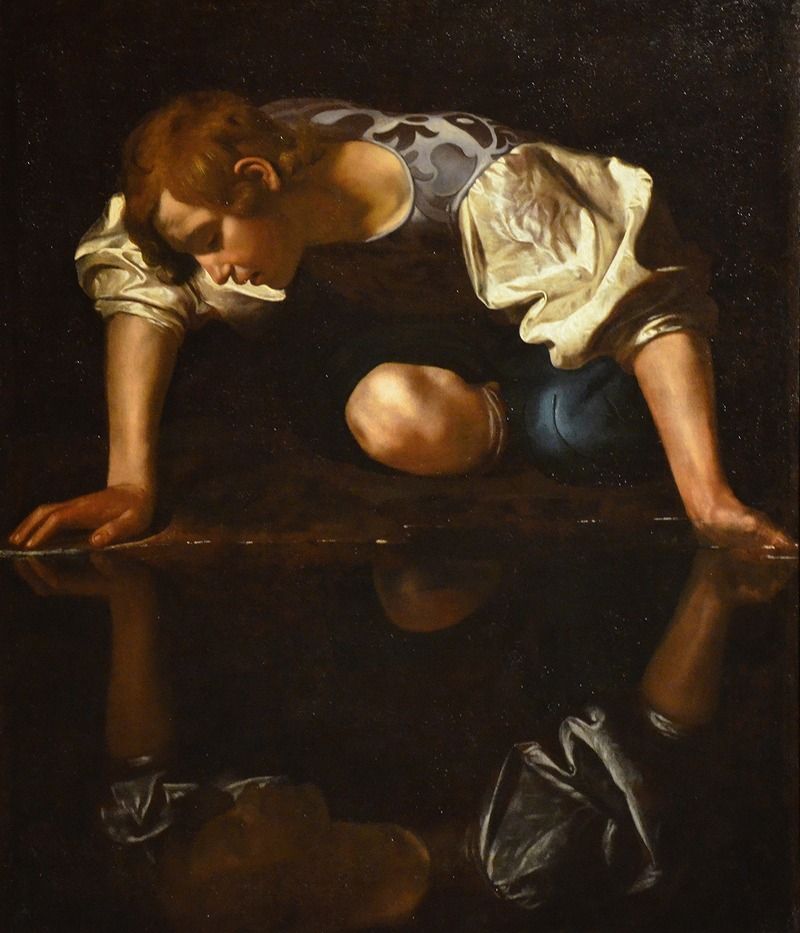
Is this a mirror — or a memory? The reflective surface before us invites introspection, challenging the viewer to question the essence of existence and the weight of the past. Focus on the figure at the center, the imposing deity, his sinewy form illuminated by a gentle yet deliberate light that carves out his muscles and accentuates a visage marked by both strength and vulnerability. Notice how the golden hues of his skin contrast with the cooler shades surrounding him, creating a dynamic tension that captivates the eye. The composition draws us in, leading our gaze around the edges, where intricate details of nature intertwine with the figure, reinforcing the connection between divinity and the earthly realm. Delve deeper into the subtleties of this work — the void of the background speaks volumes, suggesting both emptiness and infinite potential.
The delicate play of light not only reveals the physicality of the god but also hints at an internal struggle; the gaze of Vulcanus seems to pierce through the canvas, reflecting a duality of creation and destruction. This complexity echoes the artist's exploration of the human condition, offering a profound commentary on power and fragility. Mengs painted this work during a significant period in European art, amidst the rise of Neoclassicism. Between 1738 and 1779, he navigated the evolving landscape of artistic expression, marked by a departure from Rococo frivolity toward a revival of classical ideals.
In a world grappling with the tensions of the Enlightenment, his portrayal of mythological subjects embraced both the grandeur and the introspective quality of human experience, capturing a moment that resonates through time.