
Portrait of Louis Ratisbonne — History & Facts
What first draws the eye in Portrait of Louis Ratisbonne is the striking clarity of the sitter’s profile, rendered with a quiet intensity that commands attention. The sitter’s gaze is fixed, not on the viewer, but into a space beyond the frame, inviting us to wonder what thoughts or memories occupy his mind. The sharply lit face stands out against a muted, almost velvety green background, heightening the sense of isolation and introspection.
Every detail, from the crisp white collar to the gentle modeling of the cheek and brow, works to emphasize the sitter’s intellectual presence and self-possession. The artist’s hand is evident in the subtle transitions of light and shadow, which give the portrait a sense of immediacy and inner life. Painted in 1852, this work belongs to the tradition of mid-nineteenth-century portraiture, a period when artists like Ary Scheffer were often called upon to immortalize the rising bourgeoisie and intellectual elite of France. Such portraits were not only records of likeness but also statements of social identity and personal achievement, often commissioned to mark a moment of arrival or recognition.
The sober palette and refined technique reflect the era’s preference for psychological depth over decorative flourish, a hallmark of Scheffer’s circle. History has kept few traces of this particular sitter’s story, but the painting’s careful execution and dignified air speak to the values and ambitions of its time. Look again at the sitter’s unwavering profile, and consider what it meant to be captured in this way, at this moment in history.
More Artworks by Ary Scheffer

Princess Marie d'Orléans in Her Studio
Ary Scheffer
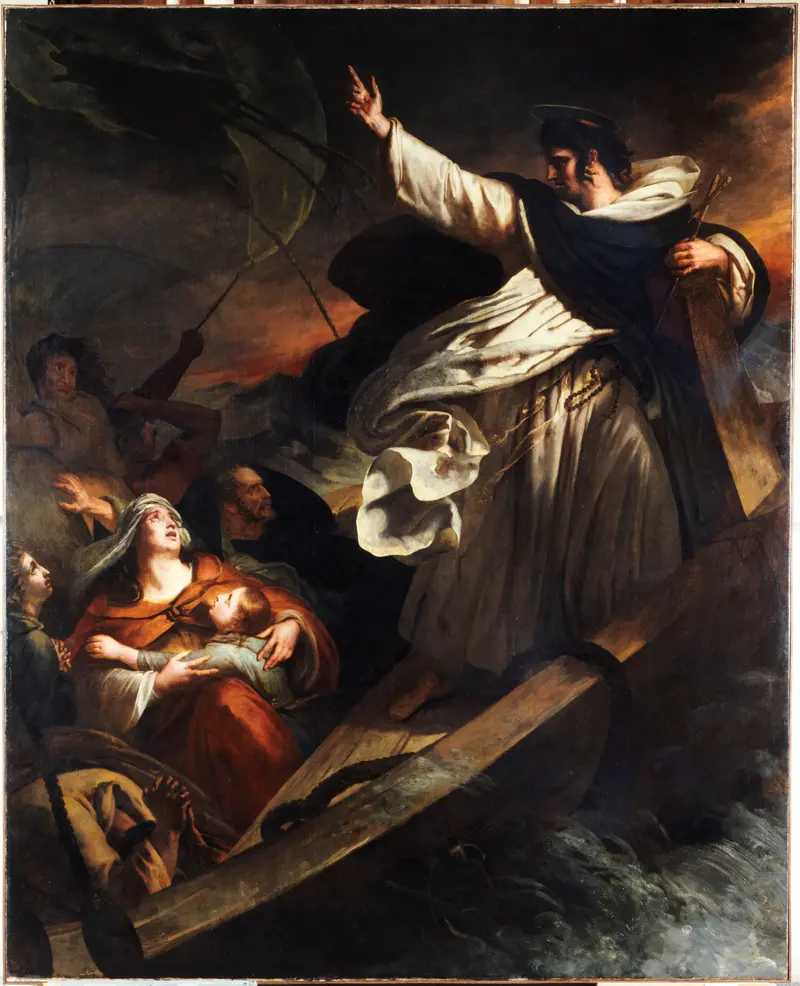
Saint Thomas d'Aquin prêchant la confiance en Dieu pendant la tempête
Ary Scheffer
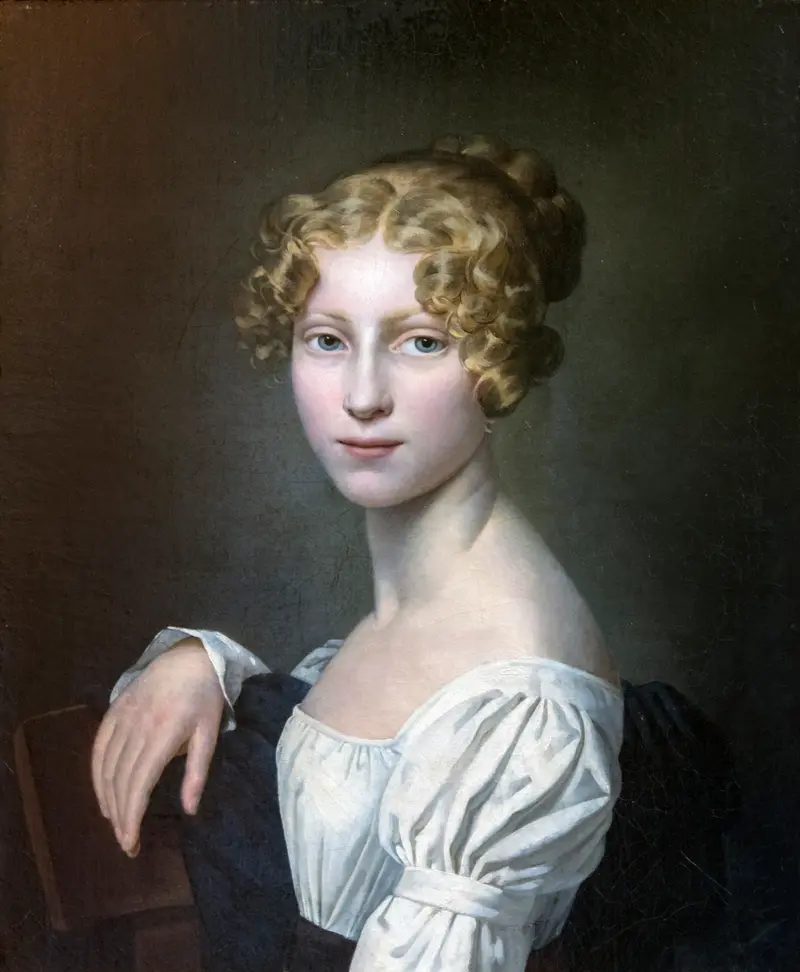
Pauline de Rémusat par Ary Scheffer
Ary Scheffer
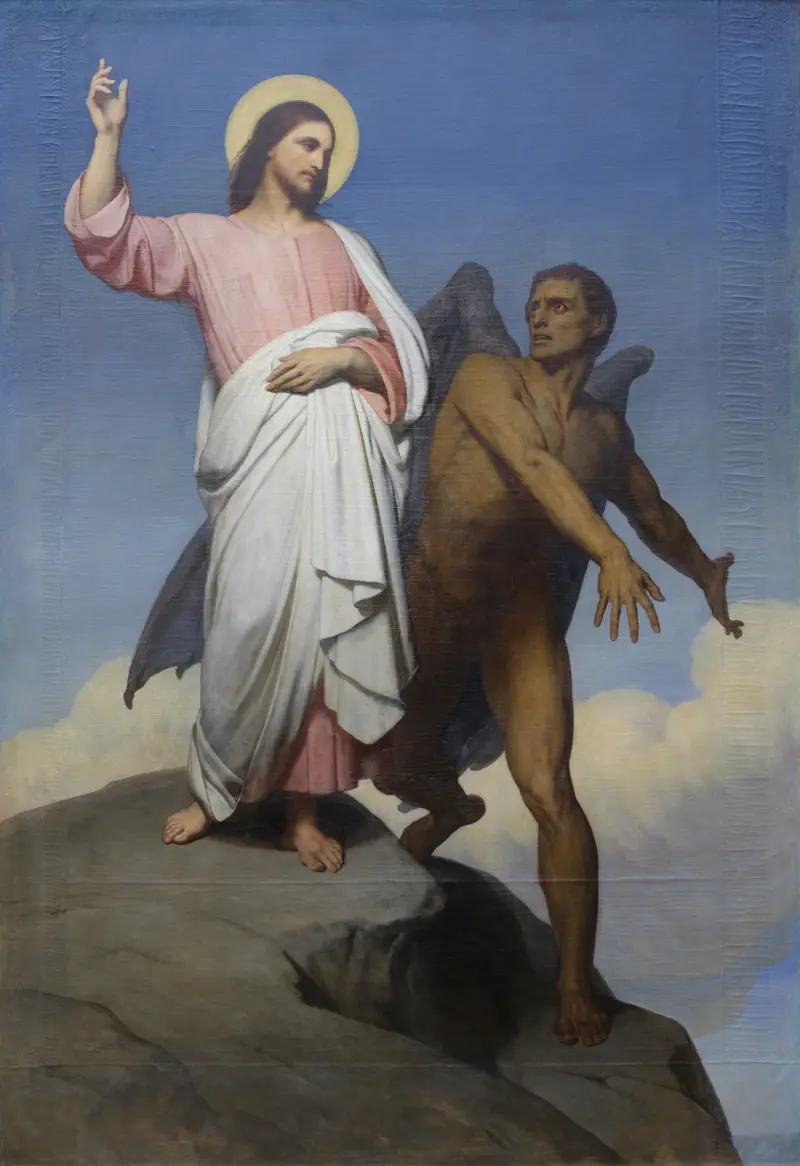
La Tentation du Christ Musée du Louvre Peintures MI 285
Ary Scheffer
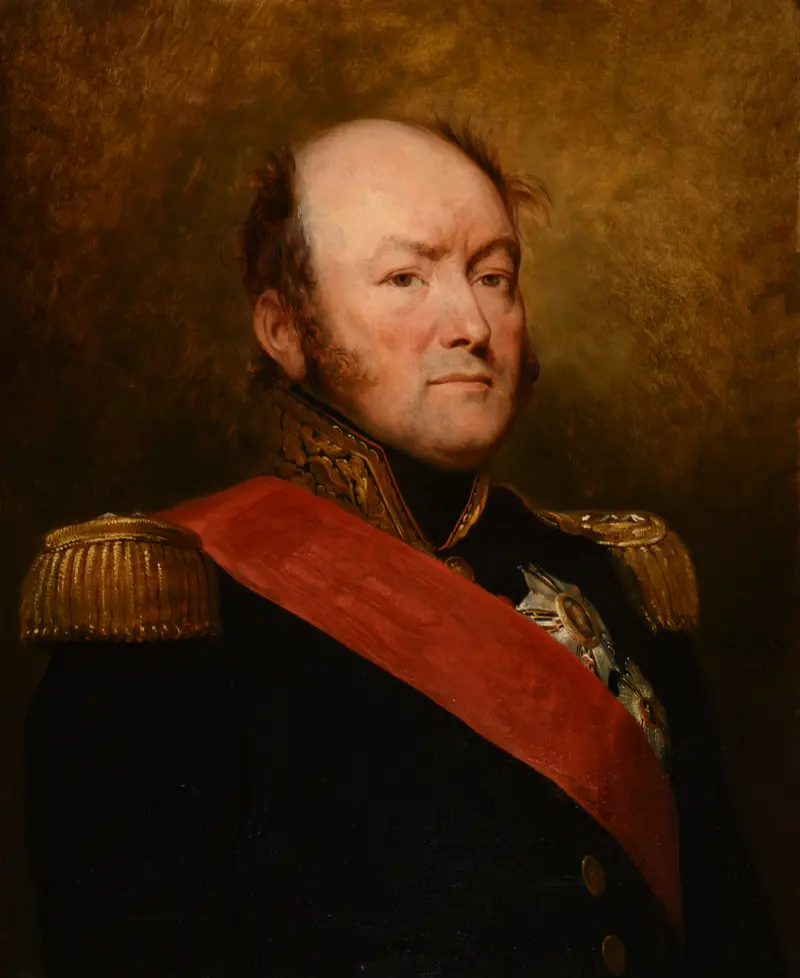
Comte Drouet d'Erlon
Ary Scheffer
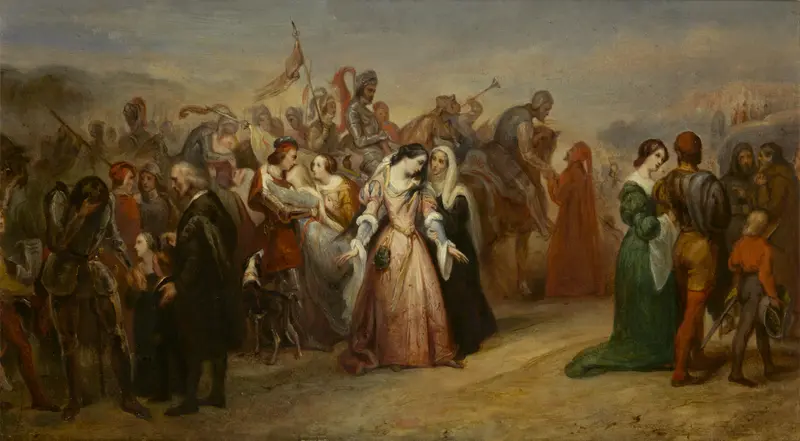
Lenore - de terugkeer van het leger
Ary Scheffer
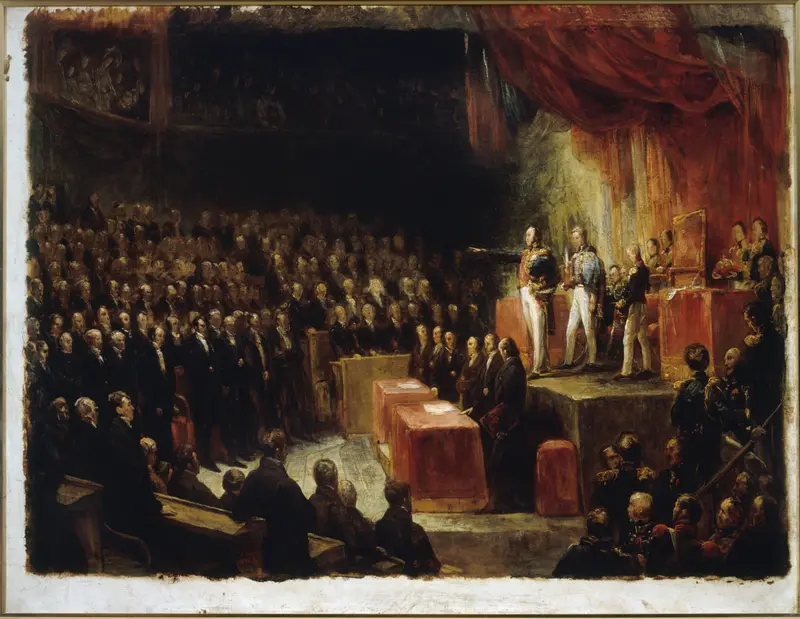
Louis Philippe prêtant serment devants les chambres, le 9 août 1830 P1537 Musée Carnavalet
Ary Scheffer
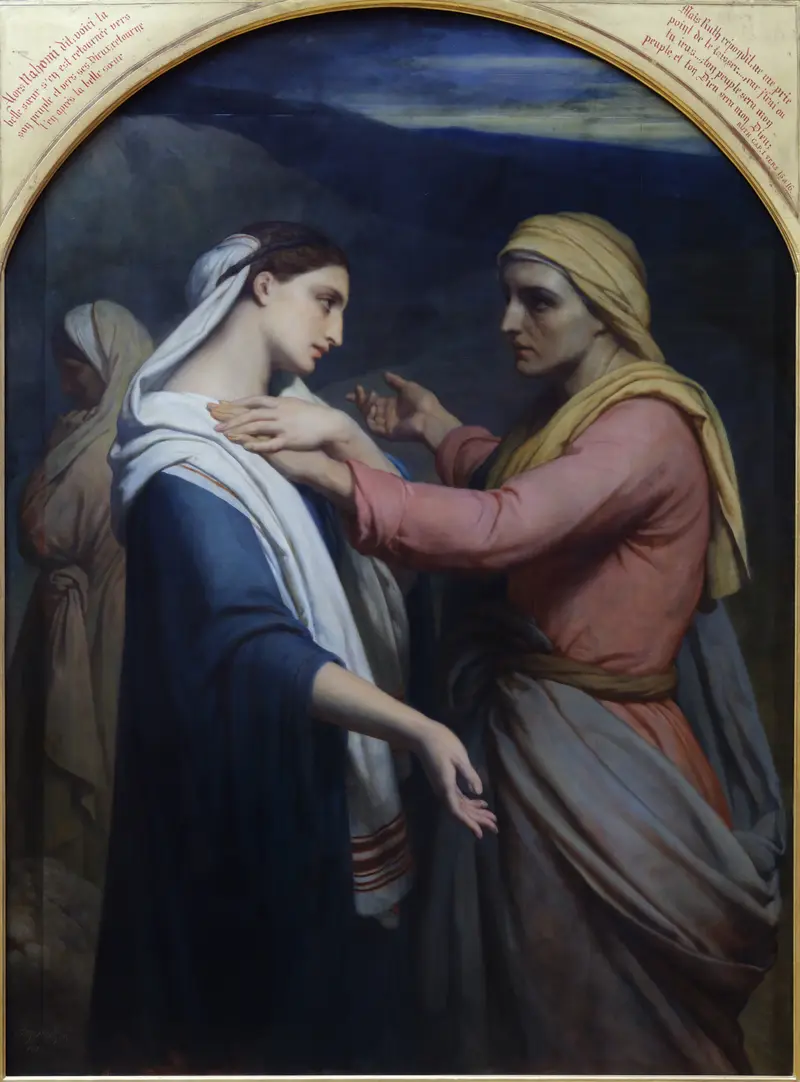
Ruth et Noémi Musée du Louvre Peintures RF 2013 4
Ary Scheffer

Figuur van een treurende engel DM S 70 Dordrechts Museum
Ary Scheffer
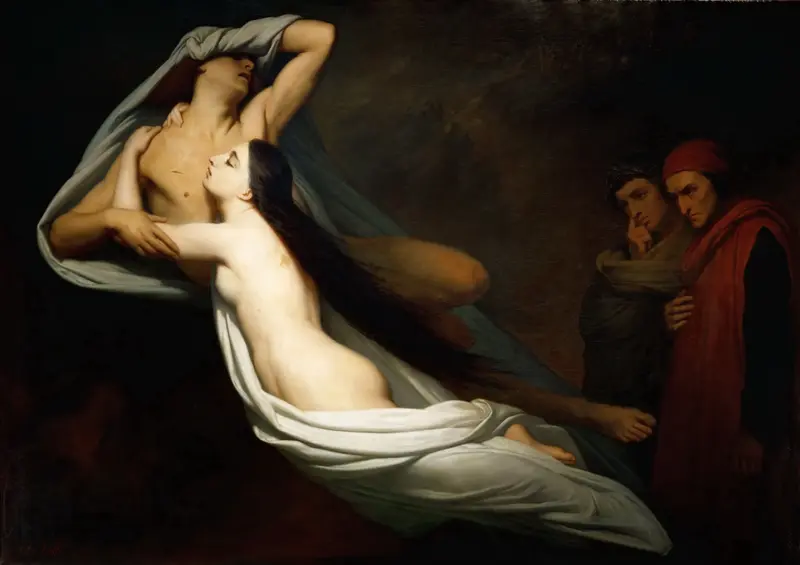
Francesca da Rimini and Paolo Malatesta appraised by Dante and Virgil
Ary Scheffer





