
Portrait of Richard Palmer — History & Facts
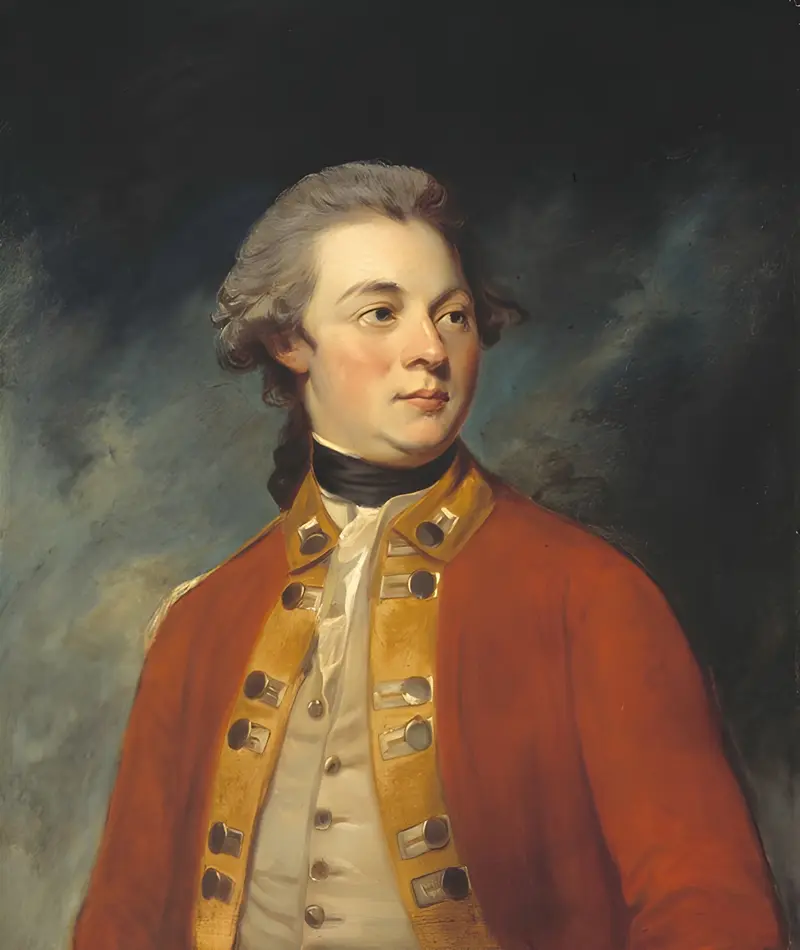
In Portrait of Richard Palmer, George Romney depicts a gentleman dressed in elegant attire. The color palette features warm tones, with rich browns and deep greens that enhance the subject's dignified presence. The background is softly blurred, drawing attention to Palmer's face and expression.
His gaze is direct, exuding confidence and poise. This painting is executed in oil on canvas, a common medium for portraits during the 18th century. The dimensions are approximately 76 x 63 cm, which is typical for portraiture of this era. Romney's technique showcases his skill in capturing the texture of fabric and the subtle play of light on the subject's skin.
The brushwork is smooth, contributing to the lifelike quality of the portrait. George Romney was a prominent British portrait painter known for his ability to convey personality and character. Portrait of Richard Palmer is an example of his work during the Romanticism period, which emphasized individualism and emotion. An interesting fact about this painting is that it reflects the growing interest in portraiture among the British elite in the late 18th century.
Romney's portraits often included detailed backgrounds that provided context about the subject's status.
More Artworks by George Romney

Lady Hamilton as Tragedy
George Romney
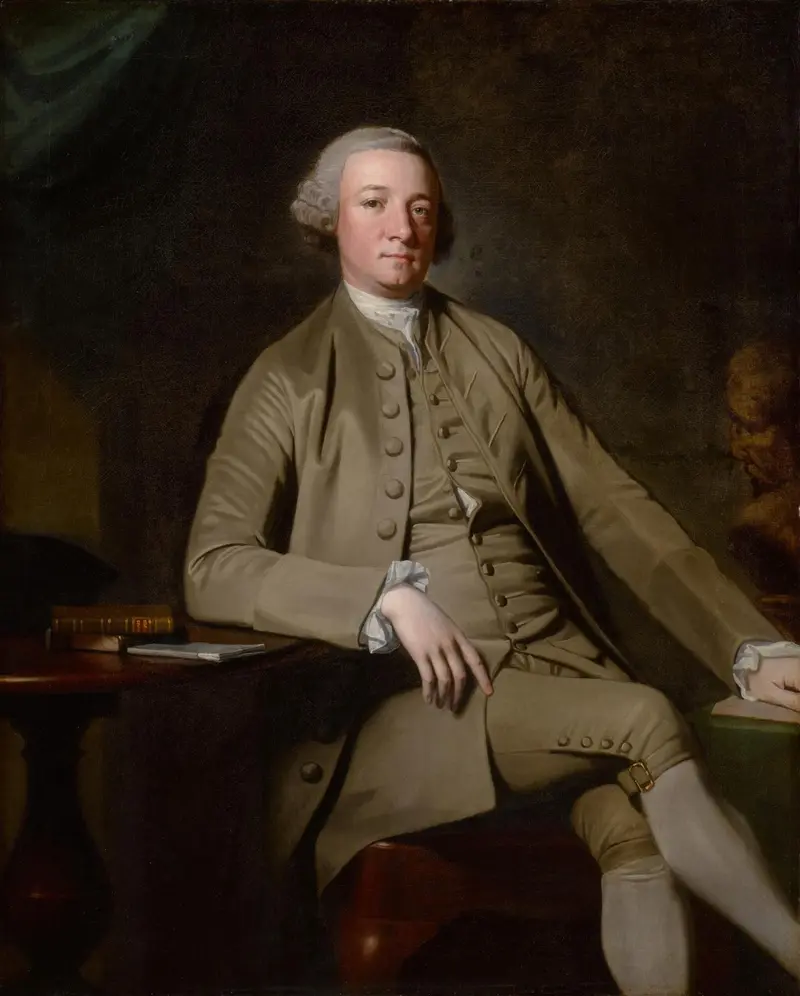
Portrait of a Gentleman, seated, probably William Suddel of Lancaster
George Romney
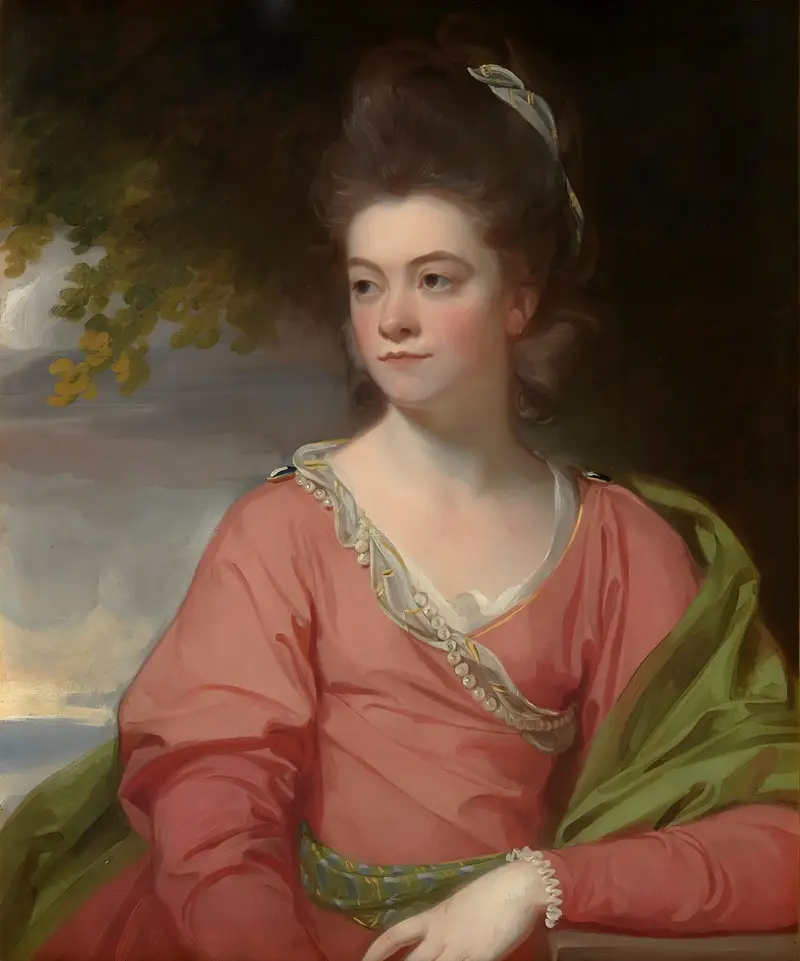
Portrait of a lady, traditionally identified as Miss Inchbold
George Romney
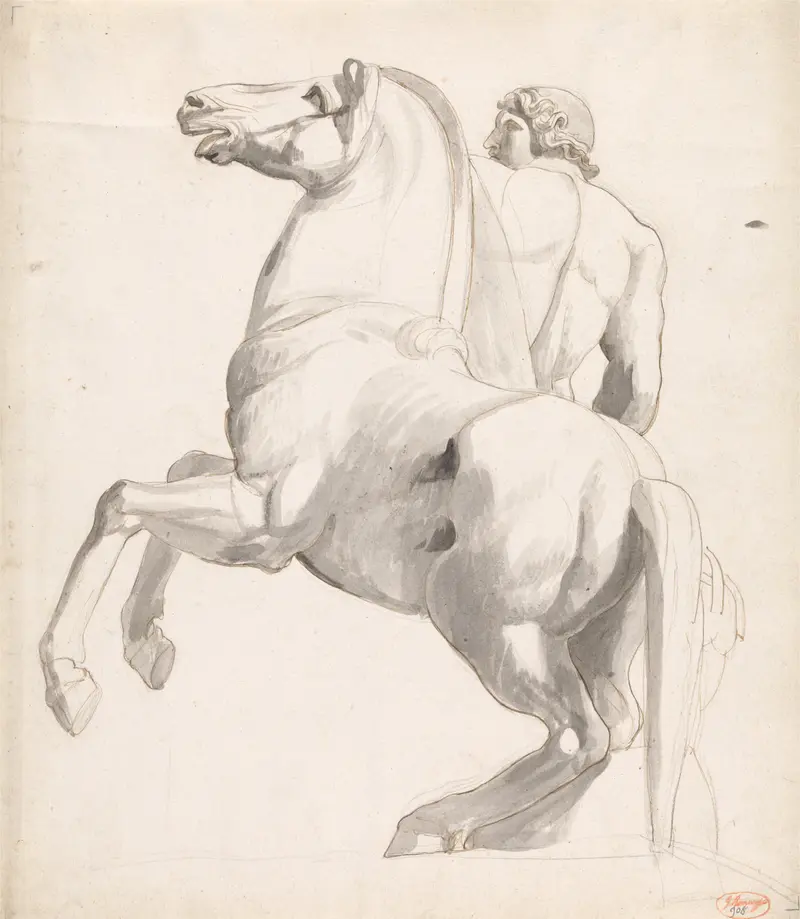
Horseman of Montecavallo
George Romney
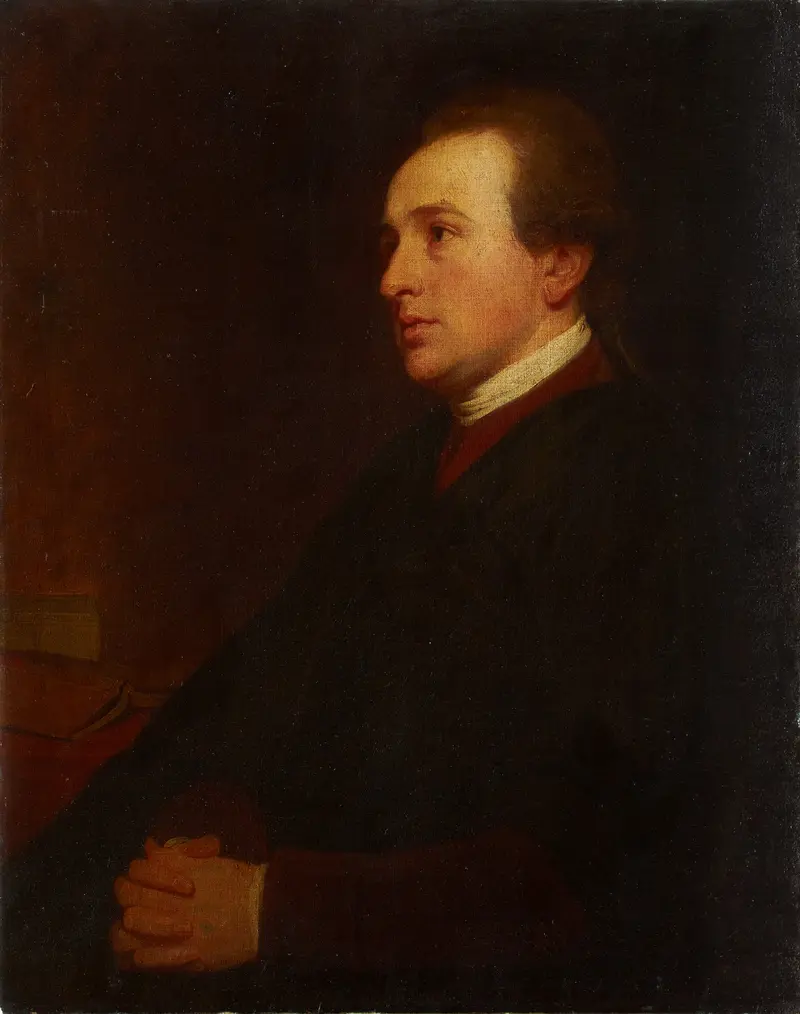
Portrait of a Young Man at his Desk
George Romney
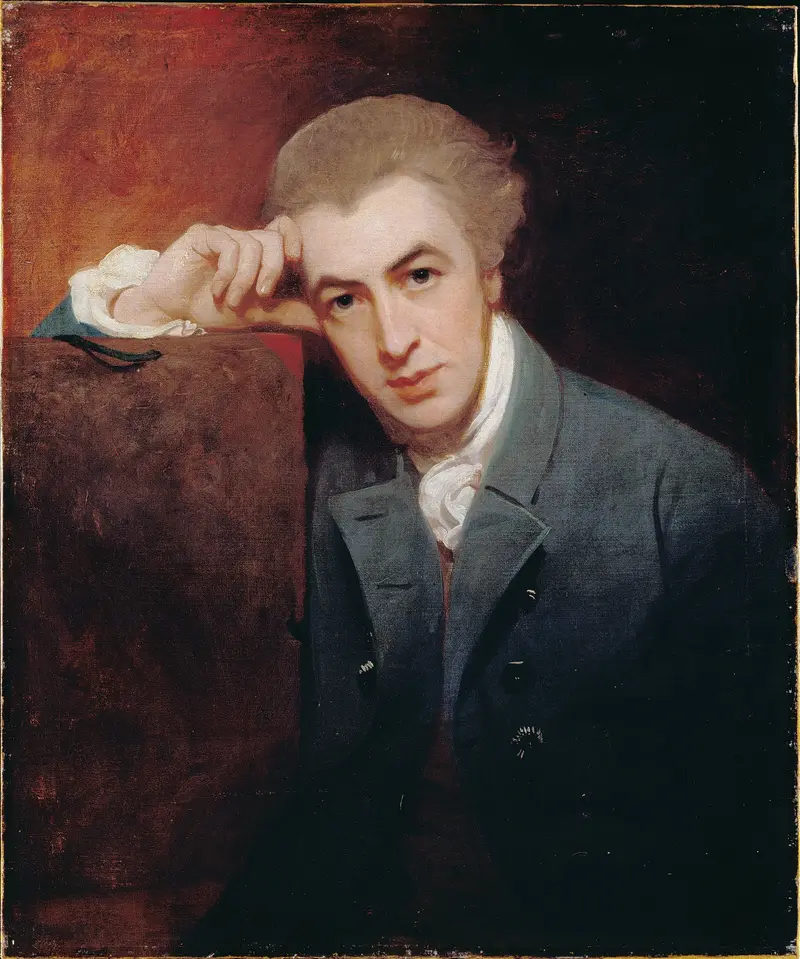
William Hayley
George Romney
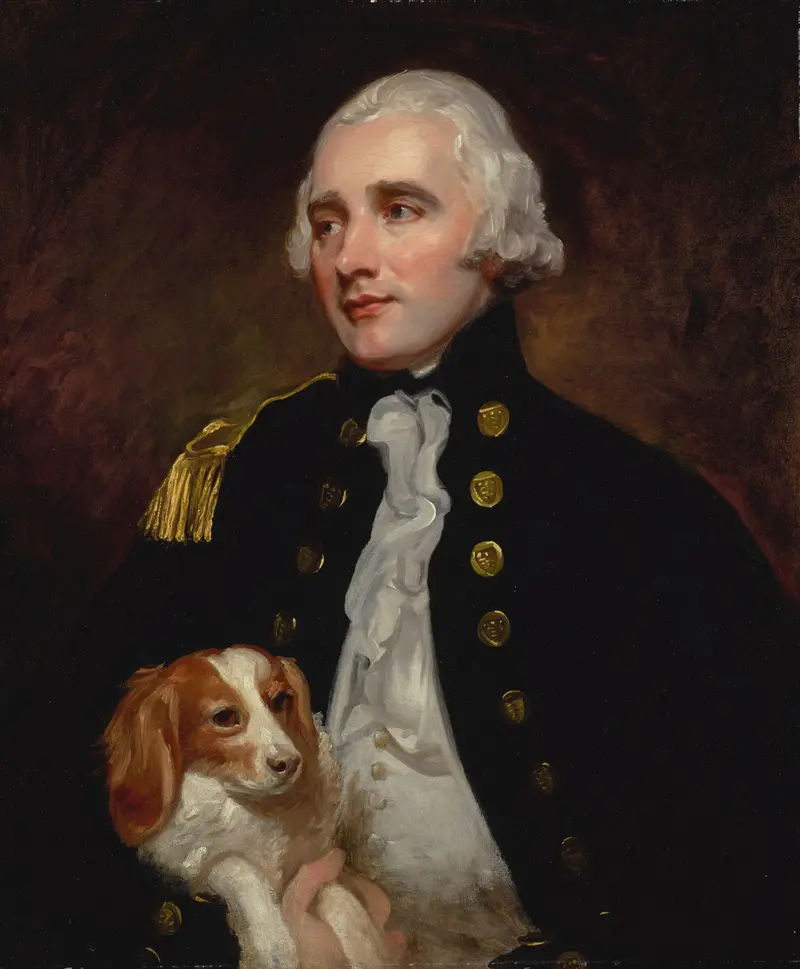
Portrait Of An Officer Of The Corps Of Engineers, Half-Length, Formerly Identified As Sir George Grey
George Romney
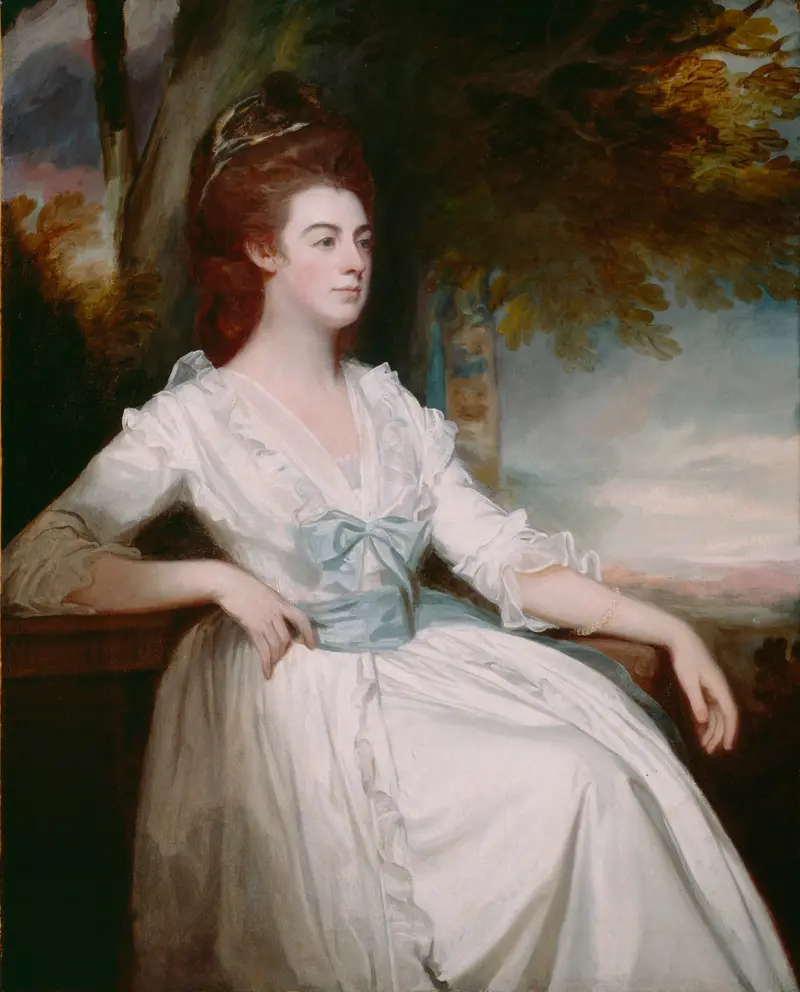
Miss Clavering
George Romney
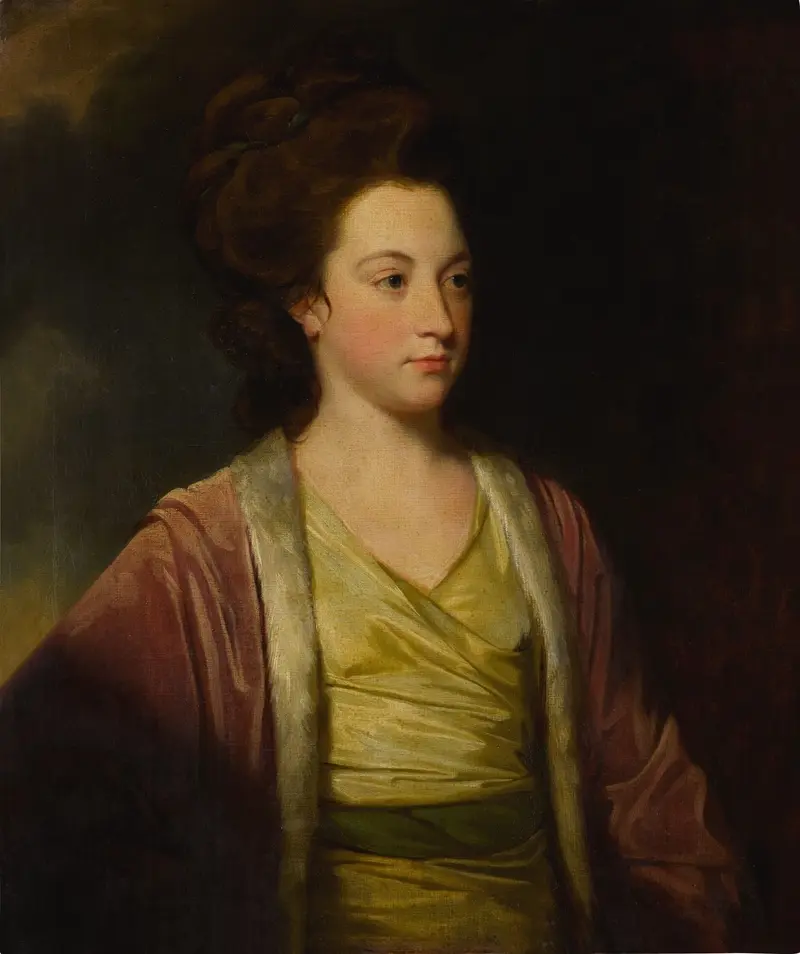
Portrait of Frances Alicia Bennet (b. 1749)
George Romney
Portrait of Francis North, 4th Earl of Guilford (1761-1817)
George Romney





