
Portrait of Two Children — History & Facts
In the stillness of a captured moment, Edridge's Portrait of Two Children invites us to dwell on the innocence of youth and the weight of unspoken desires. Look to the left at the soft, radiant faces of the children, their expressions a delicate blend of curiosity and serenity. The gentle play of natural light bathes them, highlighting the textures of their clothing and the fine details in their hair. Notice how the artist has positioned the figures slightly apart, yet their eyes connect, suggesting a bond that transcends the physical space between them.
The muted color palette, dominated by soft pastels, complements the scene's ethereal quality, drawing one into a world where time seems to pause. Deeper meanings emerge in the contrasting elements of the painting. The children’s wide-eyed innocence stands in stark relief to the implicit history each glance encapsulates. Their subtle gestures hint at an understanding of the adult world, perhaps an obsession with expectations that lies just beneath the surface of their youthful façades.
This tension between freedom and obligation encapsulates the bittersweet nature of childhood, forever fleeting yet eternally longed for. Henry Edridge painted this work around 1790 during a time of significant artistic evolution in Britain, as neoclassicism began to give way to romanticism. Edridge, immersed in the burgeoning portraiture scene, focused on capturing the essence of character and emotion. His works often reflected societal shifts, and in this portrait, he subtly examines the complexities of childhood amidst a rapidly changing world, reminding us of the quiet obsessions that linger behind youthful smiles.
More Artworks by Henry Edridge
Browse all →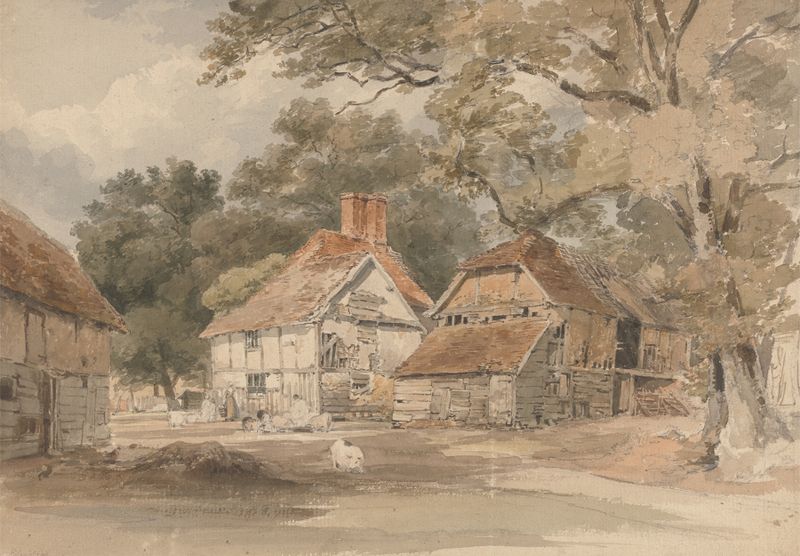
Farm Buildings among Trees
Henry Edridge
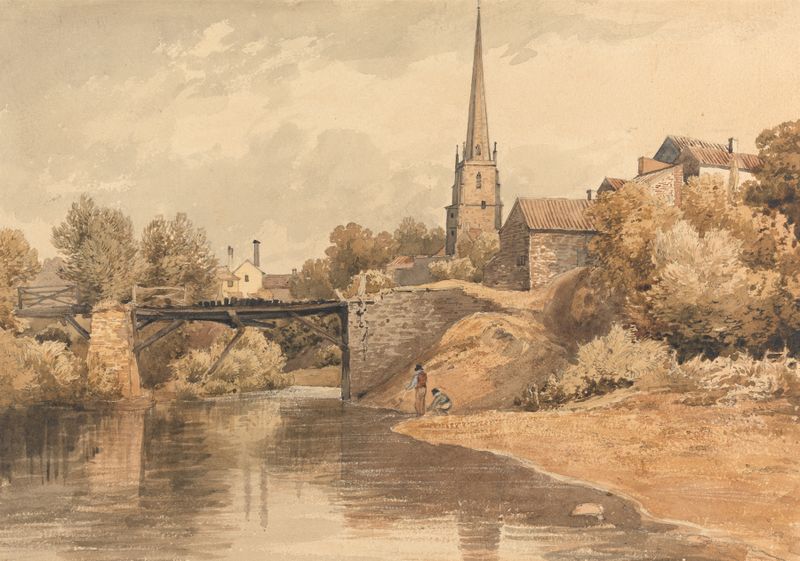
On the Monnow, Monmouth
Henry Edridge

Portrait of a Youth
Henry Edridge
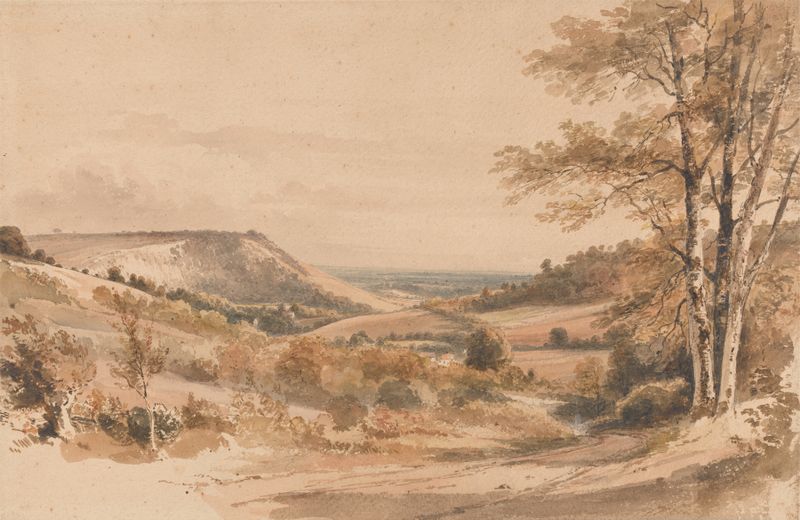
Boxhill from Westhumble Lane
Henry Edridge
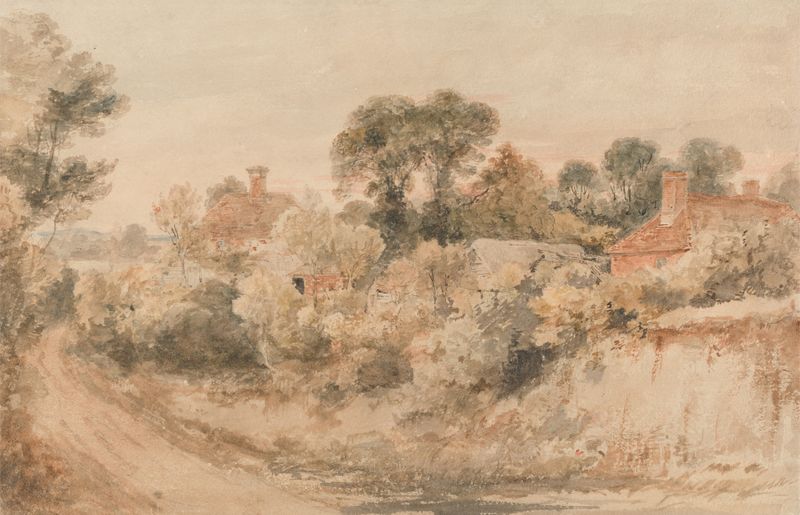
Great Bookham, Surrey
Henry Edridge
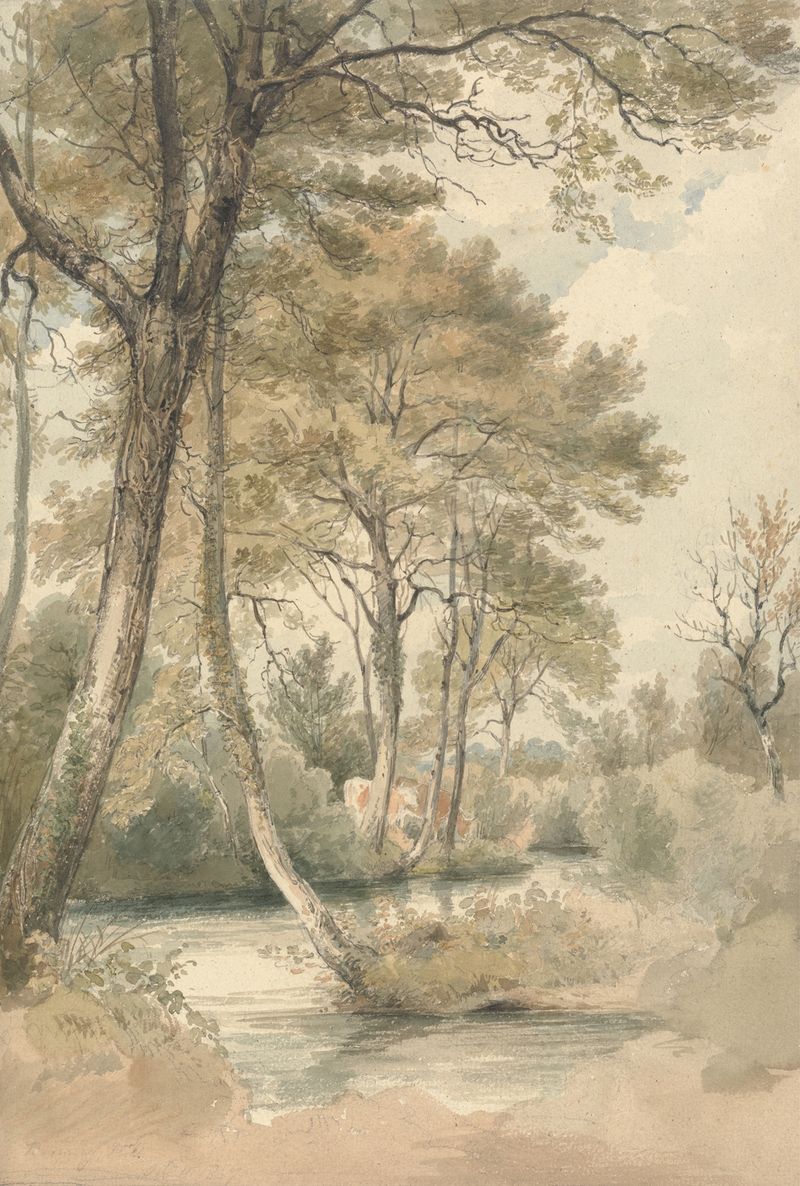
Stream with Trees and Cattle near Bromley Hill, Kent
Henry Edridge
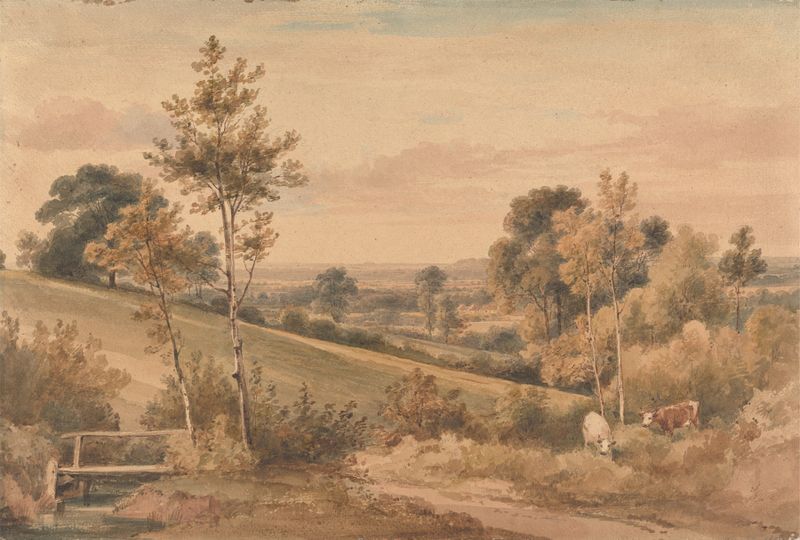
Little Bushey, Hertfordshire
Henry Edridge
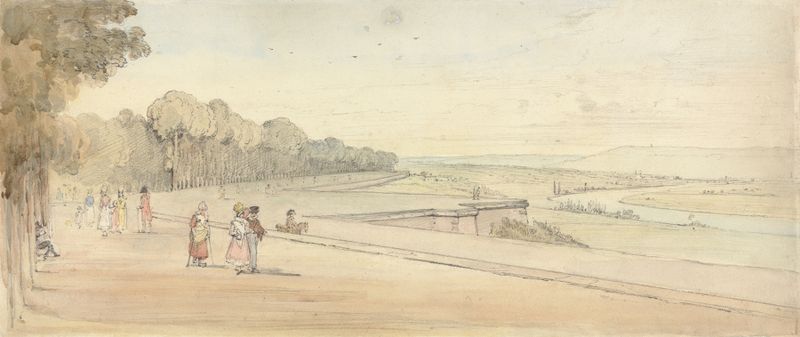
Terrace at St. Germain-en-Laye
Henry Edridge
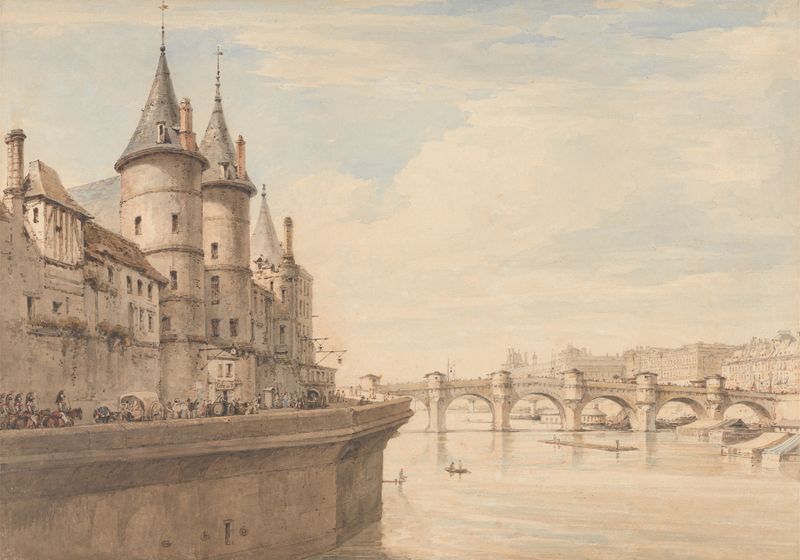
The Conciergerie, Paris
Henry Edridge
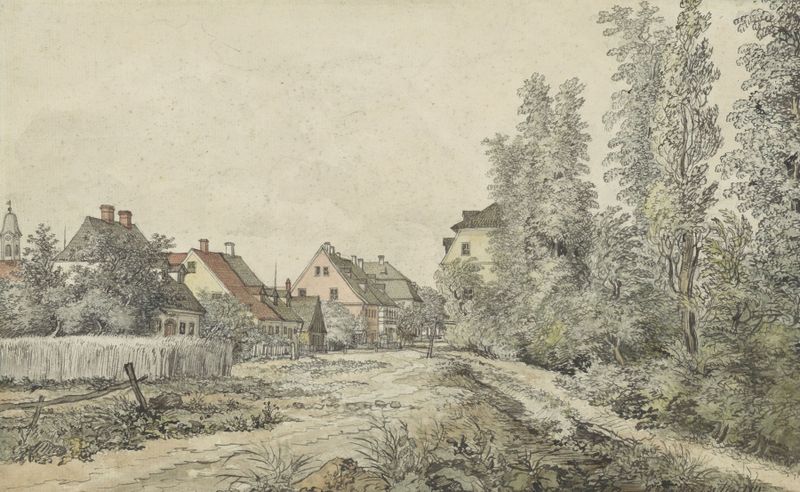
Dorpsweg met huizen
Henry Edridge
More Portrait Art
Browse all →
Las meninas
Diego Velázquez

Self-portrait with a Bandaged Ear and Pipe
Unidentified artist

Girl with a Pearl Earring
Johannes Vermeer

The Sampling Officials of the Amsterdam Drapers’ Guild, Known as ‘The Syndics’
Rembrandt van Rijn

The Hundred Guilder Print: the man seen on the back in the lower left corner
Rembrandt van Rijn

Portrait of Dr Gachet
Vincent van Gogh