
The Conciergerie, Paris — History & Facts
What exists in the void can often be more revealing than the evident—a reflection on solitude and the passage of time. Look to the left, where the somber stone façade of the Conciergerie rises, its sharp angles softened by the muted tones of dusk. The soft greys and blues create a melancholic atmosphere, inviting the viewer to linger. Notice how the delicate brushwork captures the building’s weathered edges, a testament to its storied past.
The cool light washes over the scene, enhancing the sense of quietude that blankets the historic structure, beckoning one to ponder its untold tales. Within this stillness lies a profound tension. The stark contrast between the dark shadows and the fading light symbolizes the struggle between memory and oblivion, evoking a sense of loss. This edifice, once a place of confinement, becomes a vessel of reflection—a reminder of what has been and what remains unspoken.
Look closely, and you might see the faint traces of life in the windows, suggesting both isolation and the ghostly echoes of history that linger within these walls. In 1818, Henry Edridge was in London, navigating the currents of Romanticism while grappling with his own artistic identity. A member of the Royal Academy, he was influenced by the shifting tides of the art world, where emotional depth and personal experience began to dominate. This period marked a transition not only in his career but also in a broader artistic exploration of urban landscapes, as artists sought to capture the essence of places imbued with history and meaning.
More Artworks by Henry Edridge
Browse all →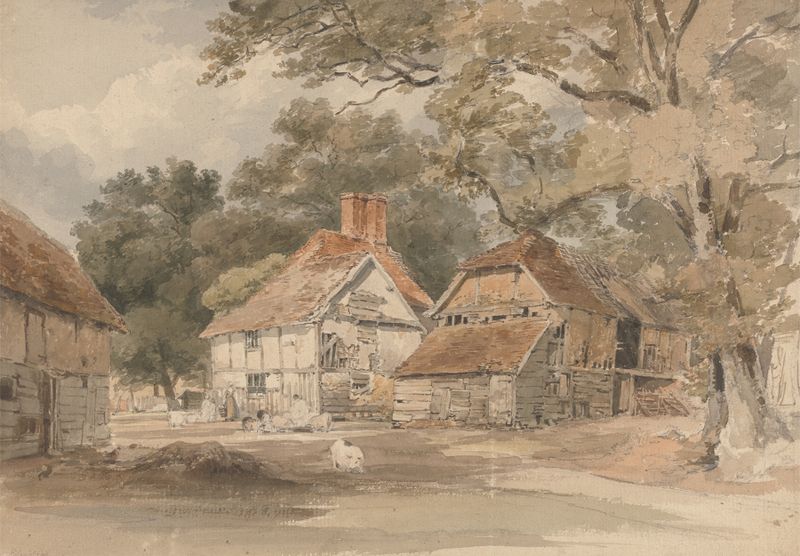
Farm Buildings among Trees
Henry Edridge
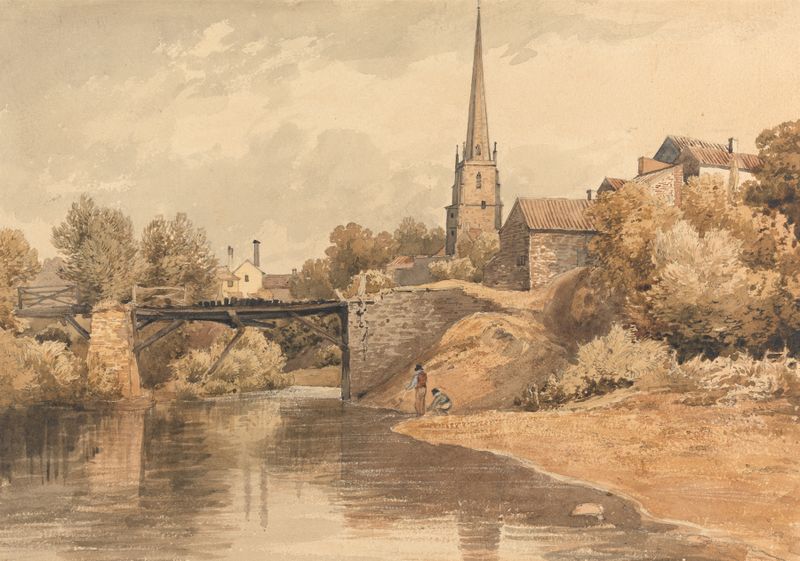
On the Monnow, Monmouth
Henry Edridge

Portrait of a Youth
Henry Edridge
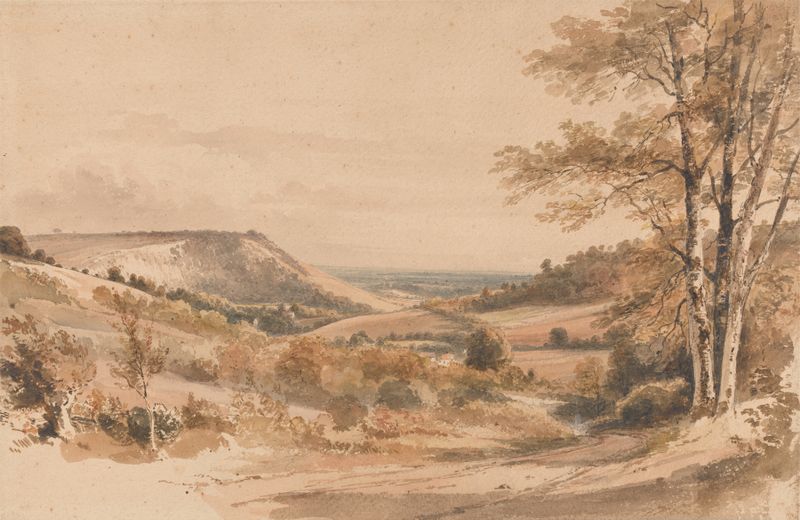
Boxhill from Westhumble Lane
Henry Edridge

Portrait of Two Children
Henry Edridge
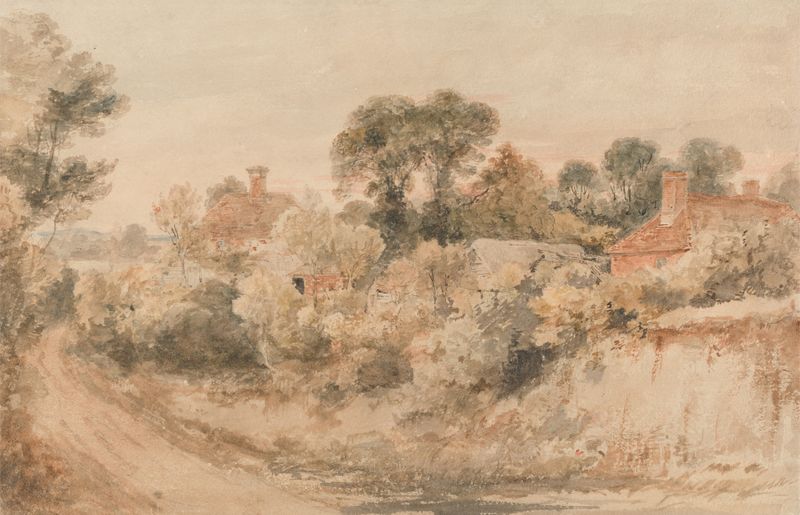
Great Bookham, Surrey
Henry Edridge
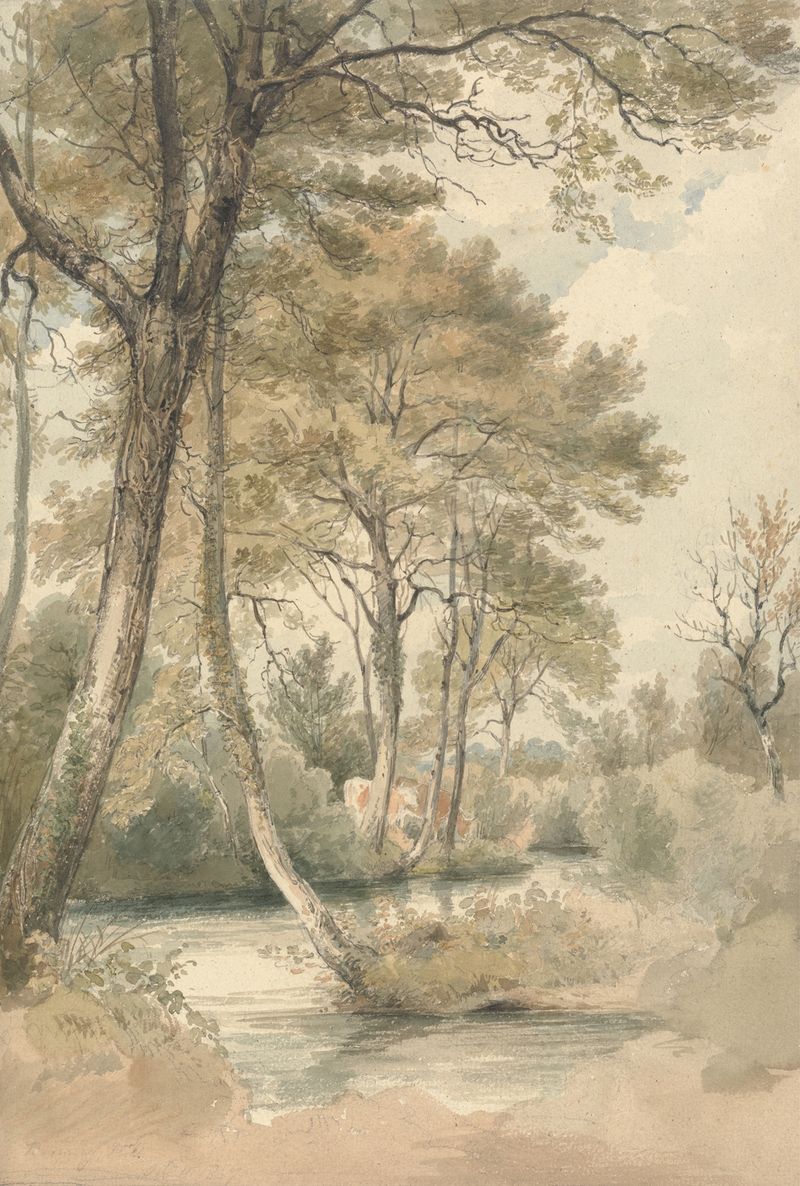
Stream with Trees and Cattle near Bromley Hill, Kent
Henry Edridge
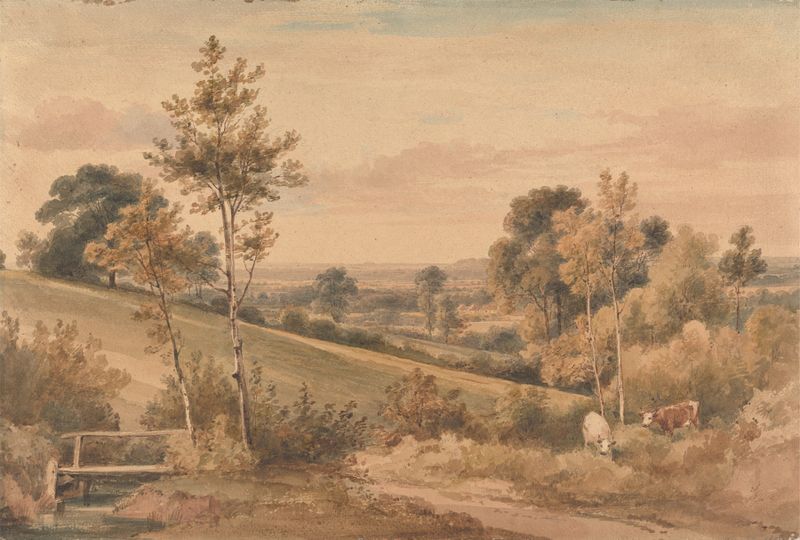
Little Bushey, Hertfordshire
Henry Edridge
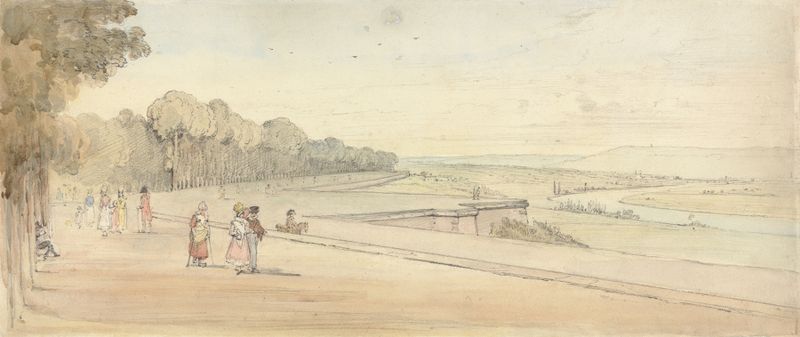
Terrace at St. Germain-en-Laye
Henry Edridge
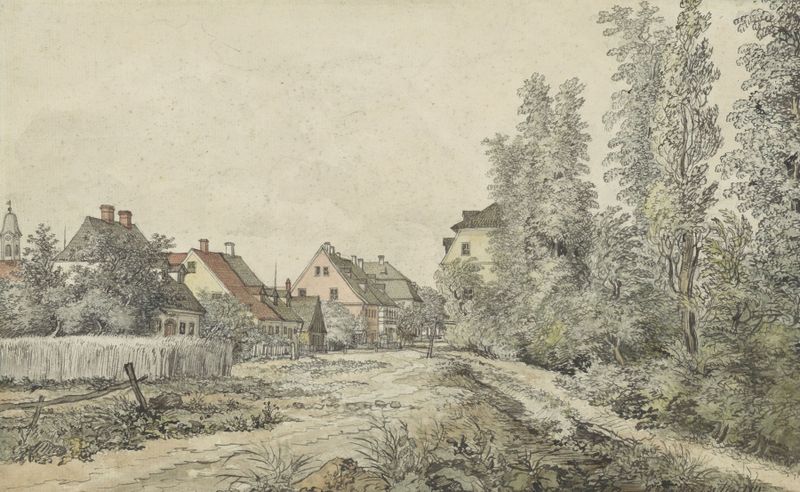
Dorpsweg met huizen
Henry Edridge
More Architecture Art
Browse all →
The statue of Liberty
Frédéric Auguste Bartholdi

View of Houses in Delft, Known as ‘The Little Street’
Johannes Vermeer

View of Houses in Delft, Known as ‘The Little Street’
Johannes Vermeer

The Cathedral in Rouen. The portal, Grey Weather
Claude Monet

The yellow house
Vincent van Gogh

The Church in Auvers-sur-Oise, View from the Chevet
Vincent van Gogh