Prag — History & Facts
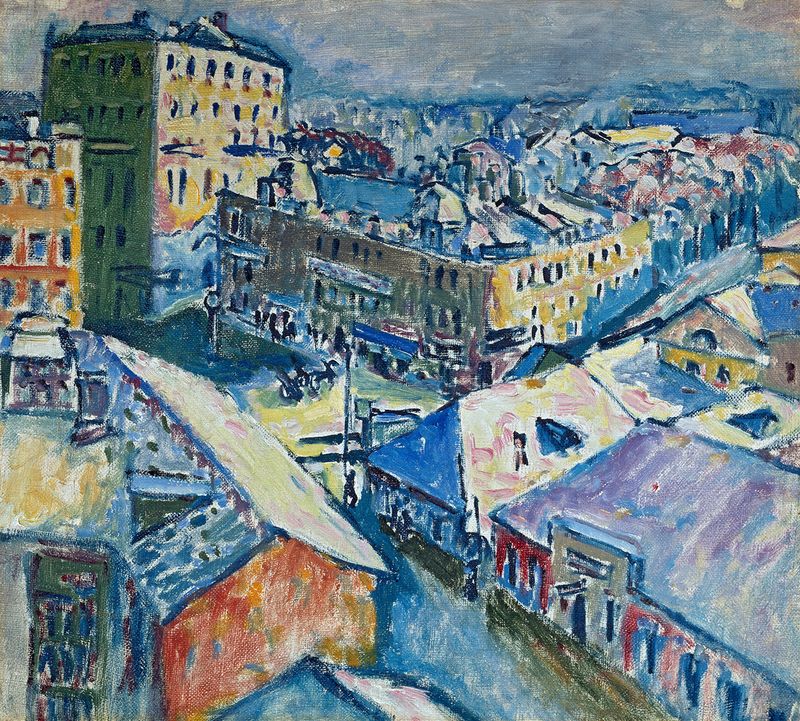
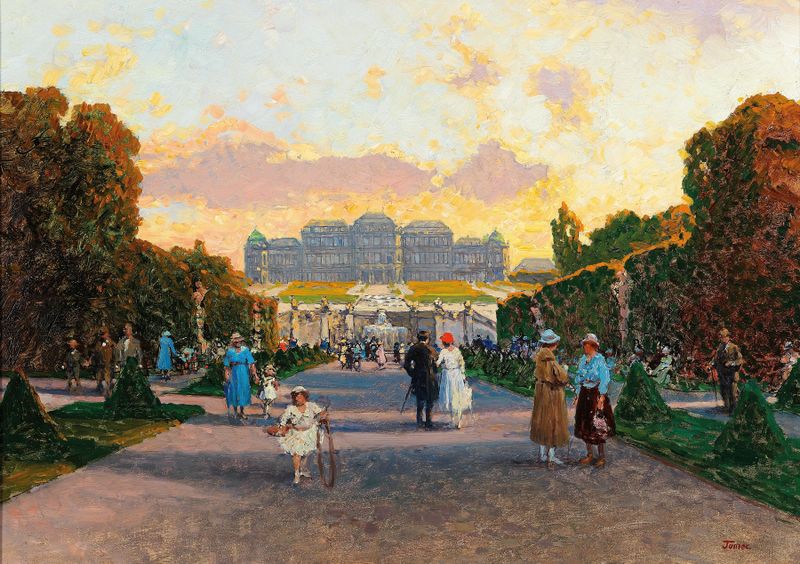
What if beauty was never meant to be finished? In Prag, the raw, unfinished edges of existence reveal a truth that lies beneath the surface, inviting us to reflect on the nature of completion and imperfection. Focus on the swirling hues of ochre and azure that dominate the canvas. The dynamic brushstrokes create a sense of movement, drawing the eye towards a nebulous horizon. Look to the left where fragmented forms hint at structures half-formed, their outlines blurred and indistinct.
This interplay of color and light reveals a world in flux, capturing the essence of a city caught between reality and abstraction. The tension between chaos and order resonates throughout the piece. Layers of color suggest the vibrancy of life, while the lack of defined shapes speaks to the transience of moments. Each stroke seems to hold a story, echoing the unfulfilled potential of urban life.
In this juxtaposition, the viewer finds a poignant commentary on truth; it is not always complete or clear-cut but rather a mosaic of experiences waiting to be interpreted. Heinrich Tomec painted Prag in 1913, during a period of profound change across Europe. The rise of modernism challenged traditional artistic expressions, and Tomec embraced this shift, exploring the boundaries of perception through abstraction. His work reflects the burgeoning tension between the old world and the new, an artistic response to the rapid urbanization and cultural shifts of his time.
More Artworks by Heinrich Tomec
Browse all →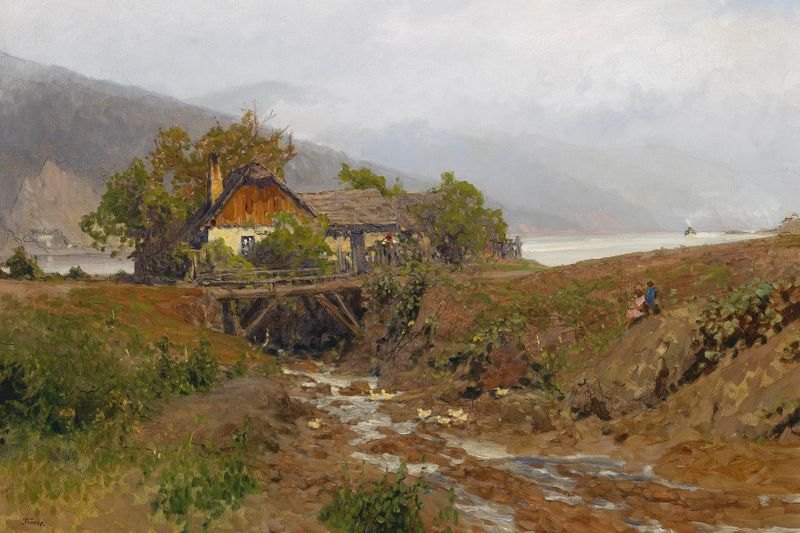
Blick bei Weißenkirchen über die Donau
Heinrich Tomec
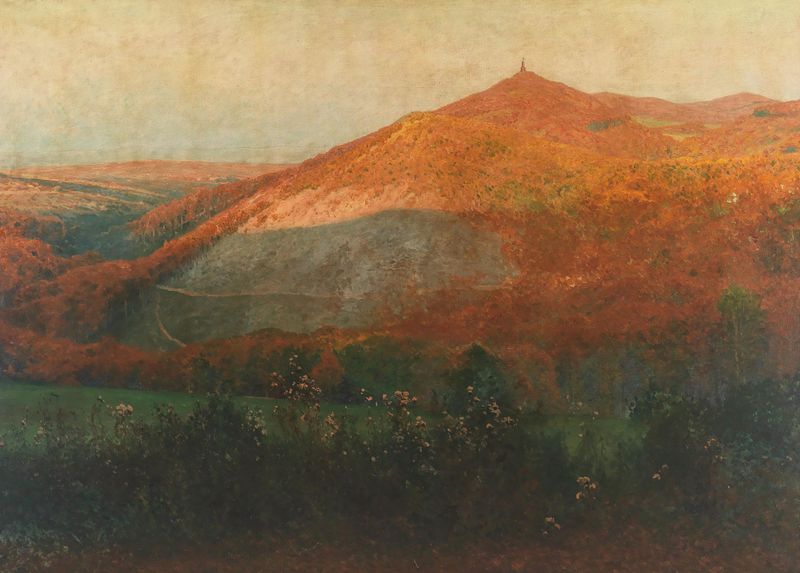
Hermannskogel with View of the Habsburgwarte
Heinrich Tomec
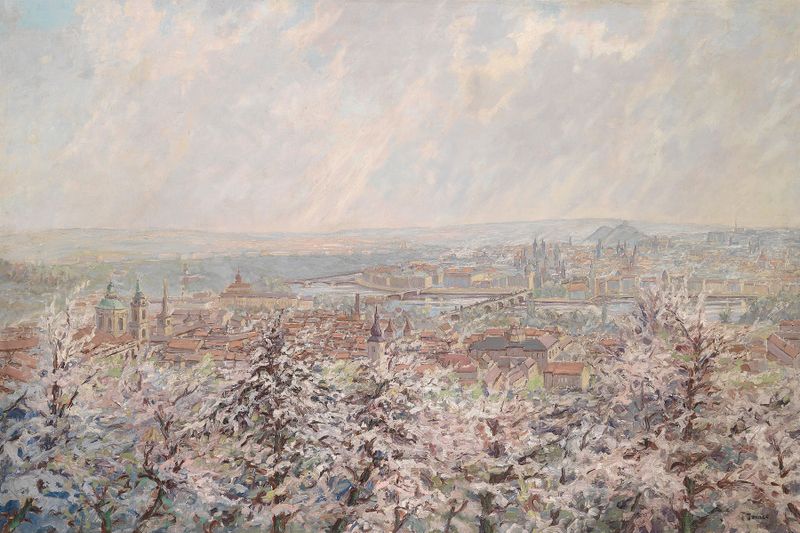
Panorama Prahy i Petrina
Heinrich Tomec
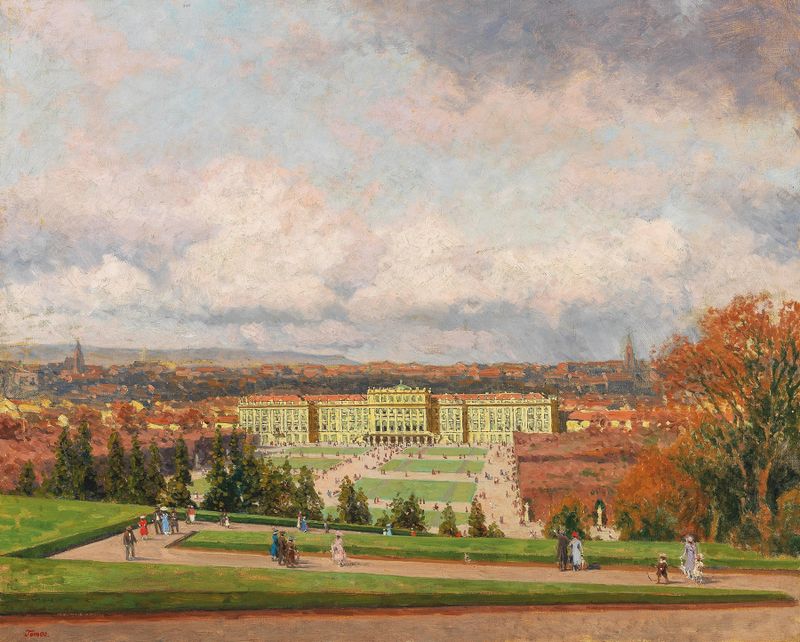
A View of Schönbrunn Palace
Heinrich Tomec
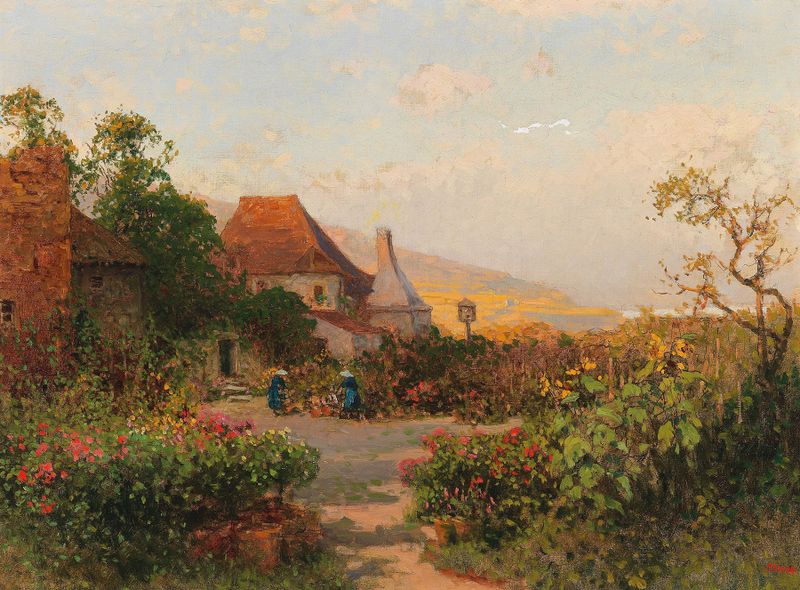
Partie in der Wachau
Heinrich Tomec
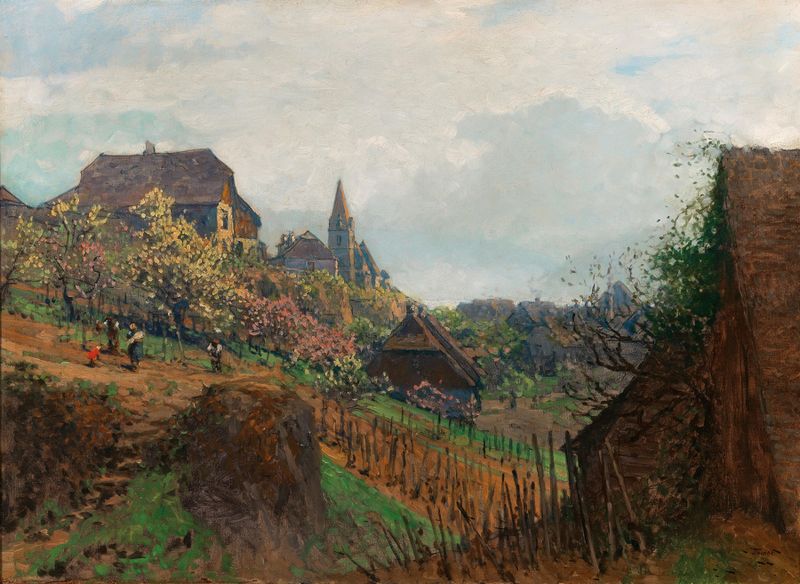
A View of Weißenkirchen from a Vineyard in the Wachau Region
Heinrich Tomec
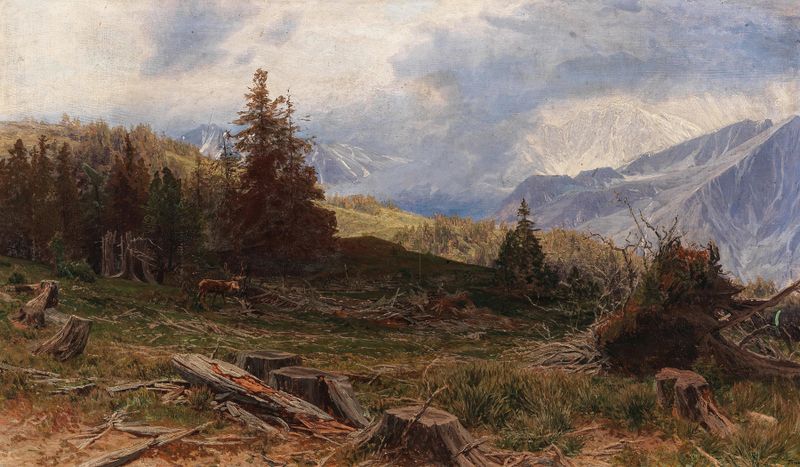
Hirsch in weiter Landschaft mit Windbruch
Heinrich Tomec
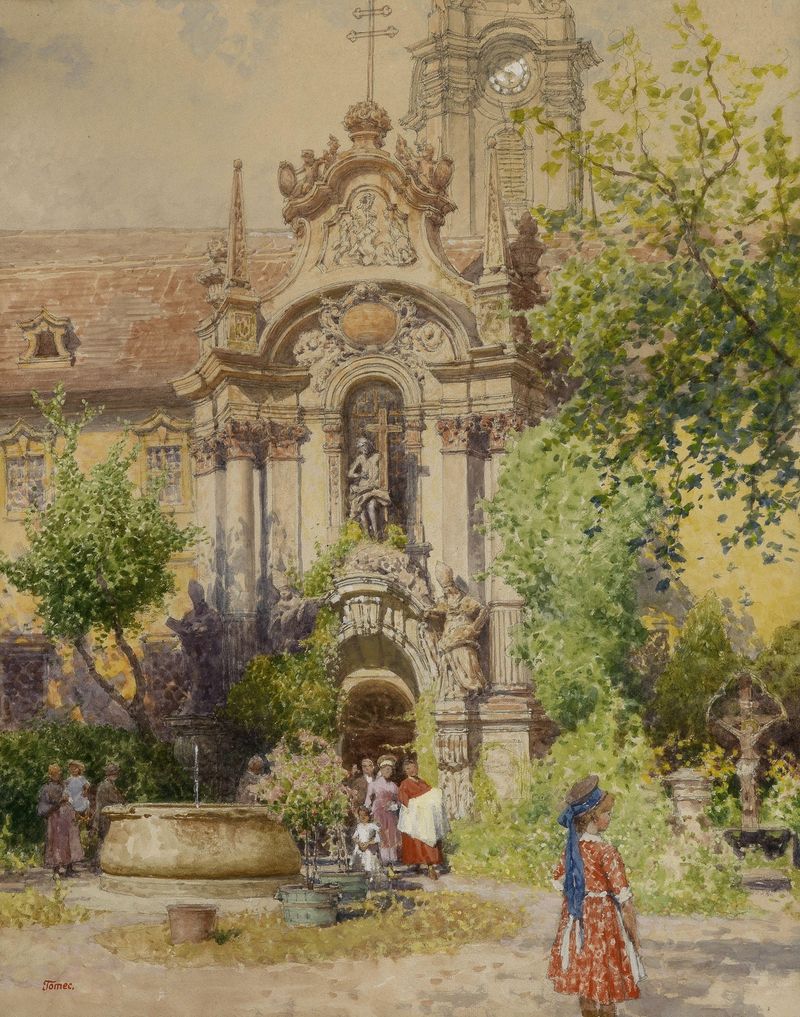
Taufe in Dürnstein
Heinrich Tomec
Belvedere
Heinrich Tomec