Puente de Metlac, plate 13 — History & Facts
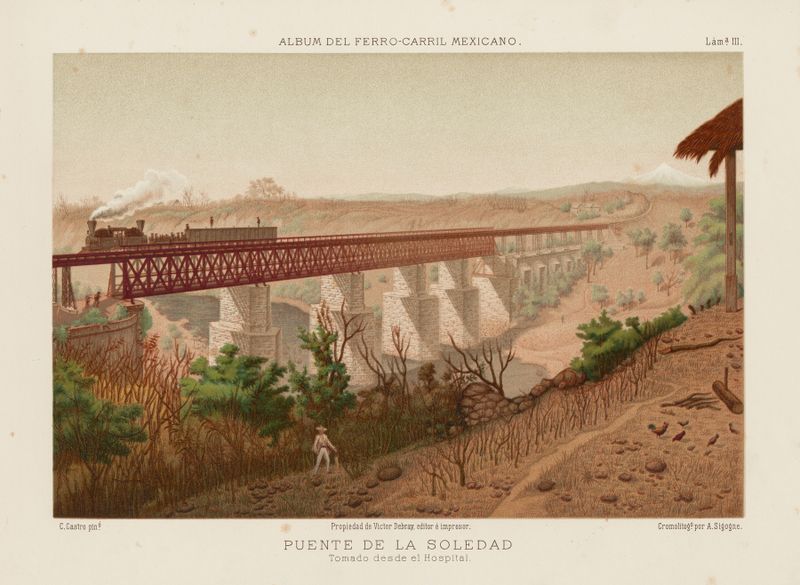
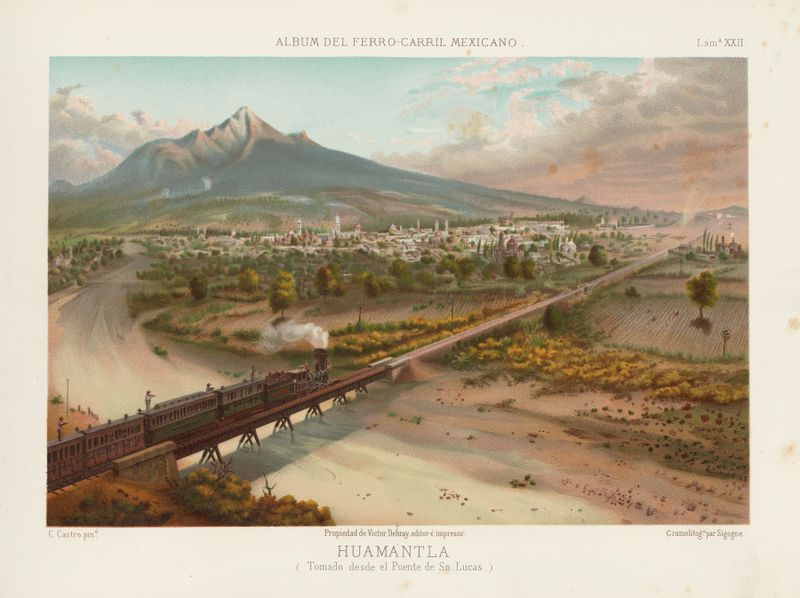
The essence of existence is often enshrined in vibrant hues, yet it is the quiet spaces that reveal our deepest emotions. Look to the center of the canvas, where a bridge arches gracefully over a shimmering river, its surface reflecting the surrounding landscape in a dazzling array of blues and greens. The painter’s deft brushstrokes create a lively interplay of light and shadow, inviting the eye to dance along the contours of the bridge and into the lush, verdant backdrop. The careful application of color elevates the scene, breathing life into what could easily become a mere depiction of engineering. As the eye travels outward, notice the contrasting elements at play: the sturdy, man-made structure juxtaposed against the fluidity of nature.
The bridge, though strong, evokes a sense of transience, hinting at the impermanence of human endeavors against the backdrop of an ever-changing landscape. These details resonate with a deeper narrative of connection, bridging the gap between the industrial and the natural world, where human ingenuity meets the serene pulse of reality. In 1877, during an era marked by rapid modernization in Mexico, the artist captured this moment of serenity amidst change. Working in a period where landscapes and architectural elements were beginning to gain prominence in the art world, Castro's portrayal of the Puente de Metlac reflects both a personal fascination with the interplay of color and the broader transformation of society as it navigated through the tensions of progress and tradition.