
Punta della Dogana, Venice — History & Facts
When did color learn to lie? In a world where hues dance and shimmer, the truth often slips through the cracks, leaving only echoes of what once was. Focus your gaze on the vibrant interplay of blues and greens that envelop the harbor. Notice how the light weaves through the water’s surface, creating a mesmerizing reflection of a fading grandeur. The architecture stands proudly amid the rippling waves, yet there’s an unmistakable stillness—a haunting beauty that suggests an underlying sorrow.
Each brushstroke captures a moment suspended in time, where the vibrancy of Venice is both celebrated and mourned. Delve deeper into the details: observe the boats, their forms almost ghostly against the lively backdrop. They symbolize movement yet convey an eerie stillness, hinting at journeys that may never happen or memories drifting away like the tide. The juxtaposition of lively colors against the haunting subject evokes a sense of loss, as if the vibrancy of the scene is a mere facade, masking the city’s inevitable decline.
The viewer is left grappling with the tension of nostalgia versus reality, where beauty and melancholy coexist. During this time, Giovanni Battista Cimaroli painted in Venice, a city infused with both splendor and decay. While the exact date remains unknown, it reflects a pivotal moment in the artist's career when he was exploring the interplay of light and water. The late Baroque period was marked by a tension between flourishing art forms and the encroaching sense of loss as Venice itself confronted the challenges of modernity.
The artist captured not just a scene but a poignant commentary on the fragility of beauty and memory.
More Artworks by Giovanni Battista Cimaroli
Browse all →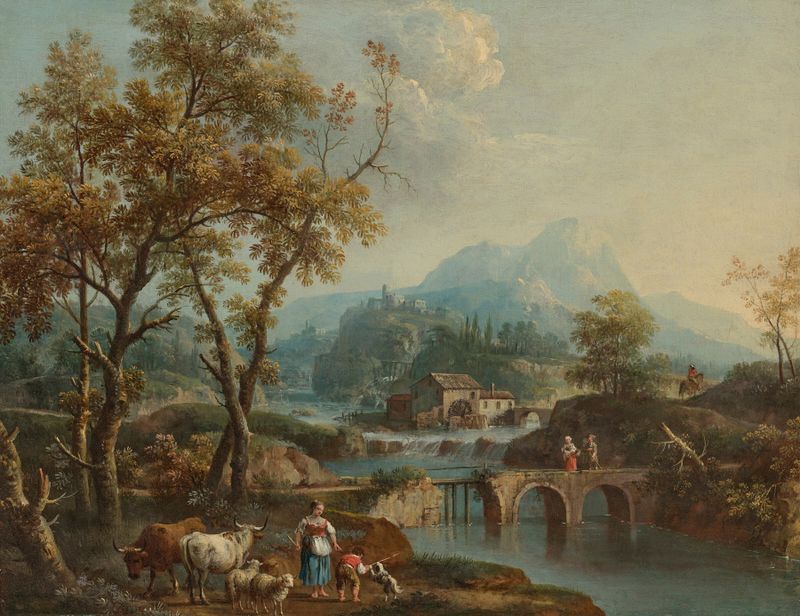
An Italianate lake landscape with travellers crossing a bridge, a lakeside town beyond
Giovanni Battista Cimaroli

An Italianate landscape with a view of Lake Garda and Salo in the distance, with figures on a bridge
Giovanni Battista Cimaroli
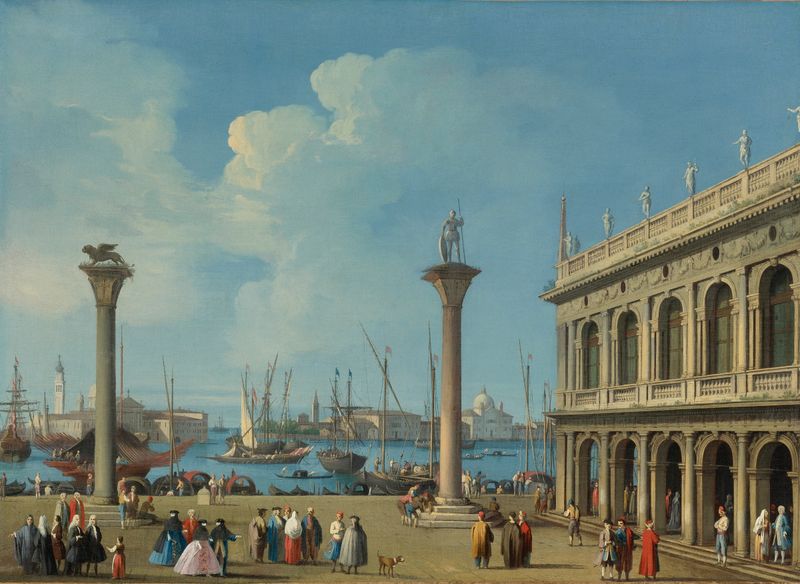
Venice, A View Of The Molo From The Piazzetta, Looking South To San Giorgio Maggiore, With The Columns Of St. Mark And St. Theodore And The biblioteca Sansoviniana
Giovanni Battista Cimaroli
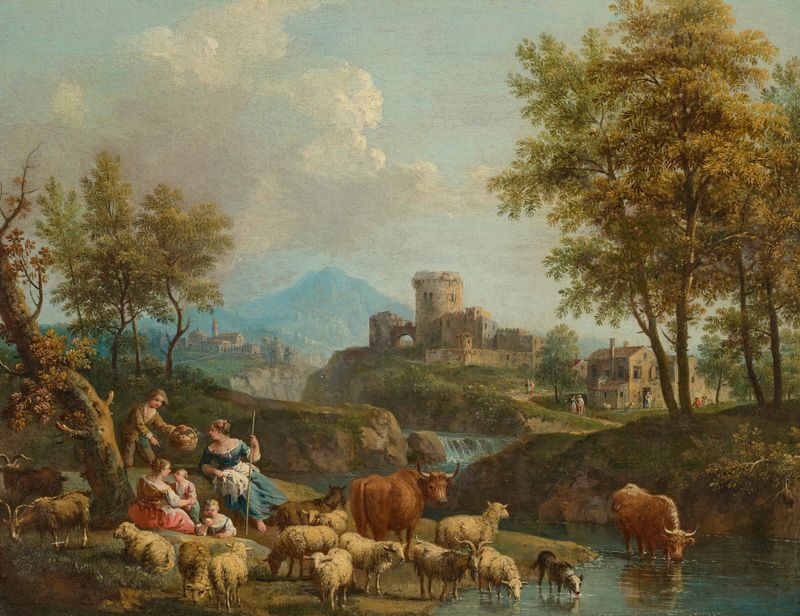
An Italianate river landscape with drovers and cattle on a track, a village beyond
Giovanni Battista Cimaroli

View of the Brenta, near Dolo
Giovanni Battista Cimaroli
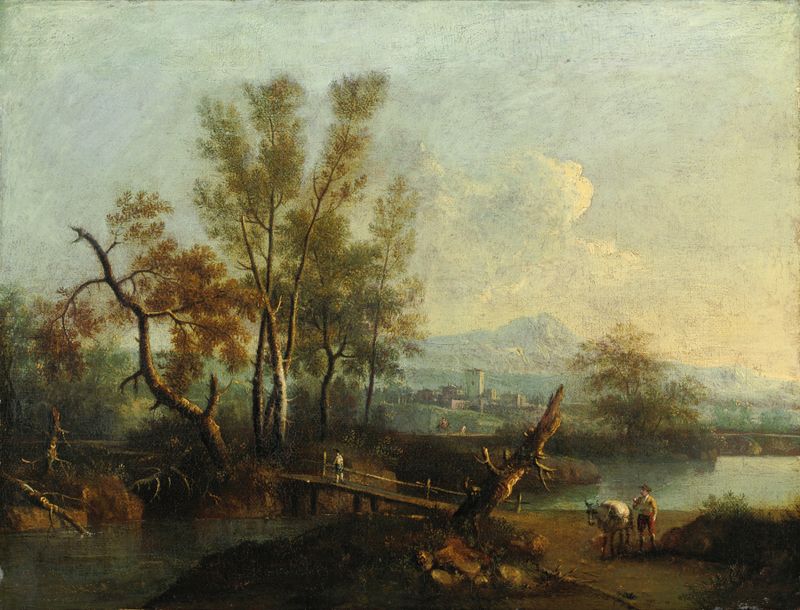
River Landscape With Figures
Giovanni Battista Cimaroli
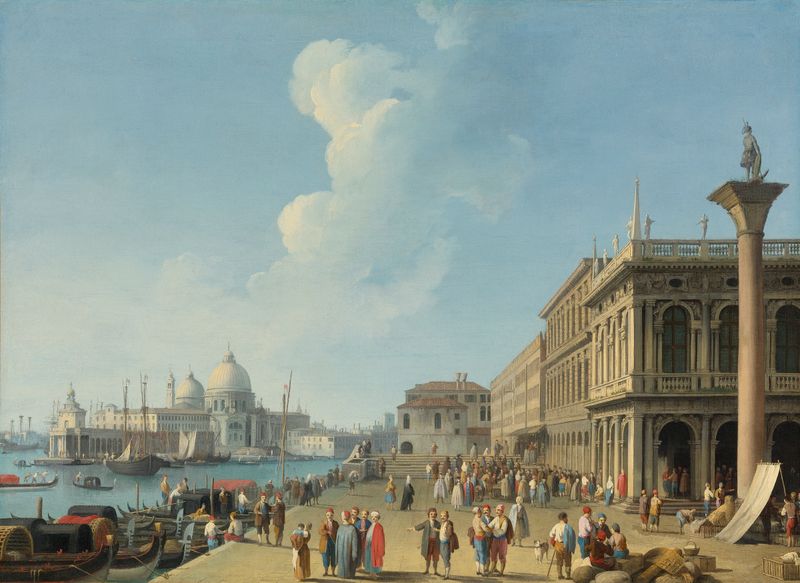
Venice A View From The Piazzetta, Looking West Towards The Dogana And Santa Maria Della Salute, With The Zecca, Biblioteca Sansoviniana And Column Of St. Theodore
Giovanni Battista Cimaroli

Mountain landscape with cattle at the waterhole
Giovanni Battista Cimaroli
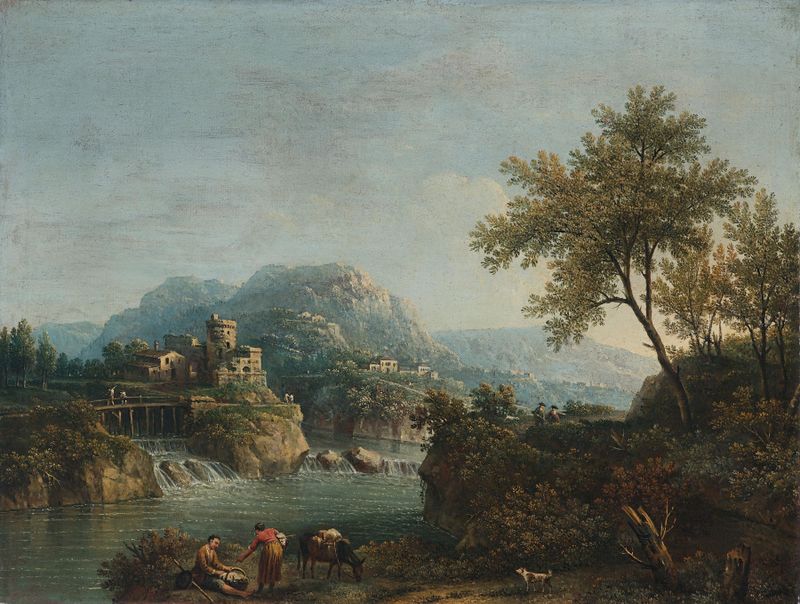
Paesaggio fluviale con figure e un asino
Giovanni Battista Cimaroli

A river landscape with travellers on a path
Giovanni Battista Cimaroli





