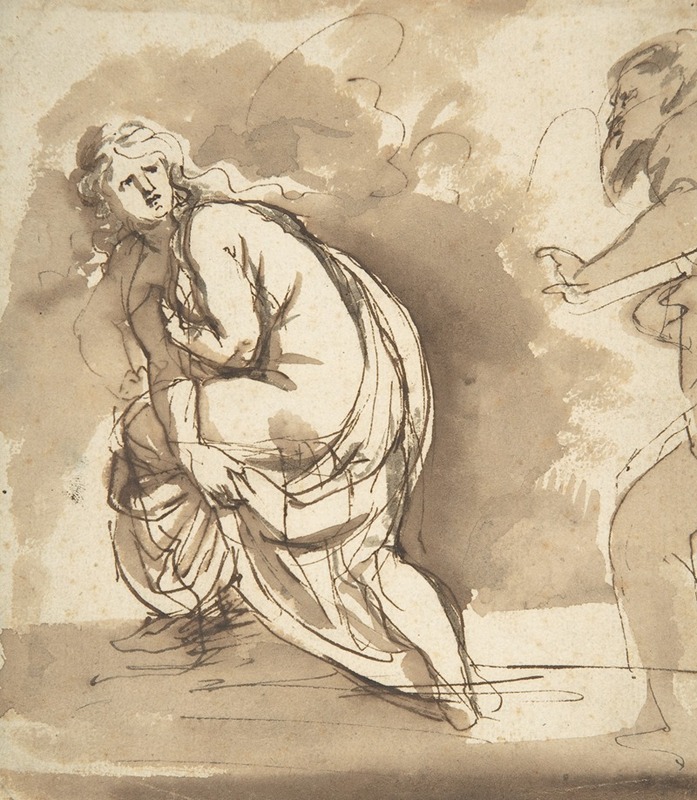
Discover insights about this artwork
Pygmalion And Galatea — History & Facts
In Pygmalion And Galatea, Anne Louis Girodet-Trioson presents a vibrant scene filled with rich colors. The painting features Pygmalion, a sculptor, gazing at his creation, Galatea, who is depicted as a beautiful woman coming to life. The background is adorned with soft drapery and lush greenery, enhancing the romantic atmosphere.
The use of light and shadow adds depth, drawing the viewer's attention to the figures in the foreground. The painting is executed in oil on canvas, a common medium for the Romantic period. Girodet's technique showcases his skill in blending colors to create lifelike textures, particularly in Galatea's skin and flowing hair. The dimensions of the artwork are approximately 130 x 162 cm, making it a sizable piece that commands attention.
The composition is carefully arranged, with Pygmalion positioned prominently, emphasizing his emotional connection to Galatea. Anne Louis Girodet-Trioson was a prominent figure in the Romantic movement, known for his dramatic and emotional works. This painting, created around 1800, reflects the fascination with mythology during this period. An interesting fact about this work is that it was inspired by Ovid's Metamorphoses, where Pygmalion falls in love with a statue he carved, which then comes to life.
Girodet's interpretation captures the moment of transformation, highlighting themes of love and artistry.
More Artworks by Anne Louis Girodet-Trioson
Les Présages de pluie
Anne Louis Girodet-Trioson
Portrait of Louis-Francois Bertin, l’ainé
Anne Louis Girodet-Trioson
Two Arabs, for The Revolt of Cairo
Anne Louis Girodet-Trioson
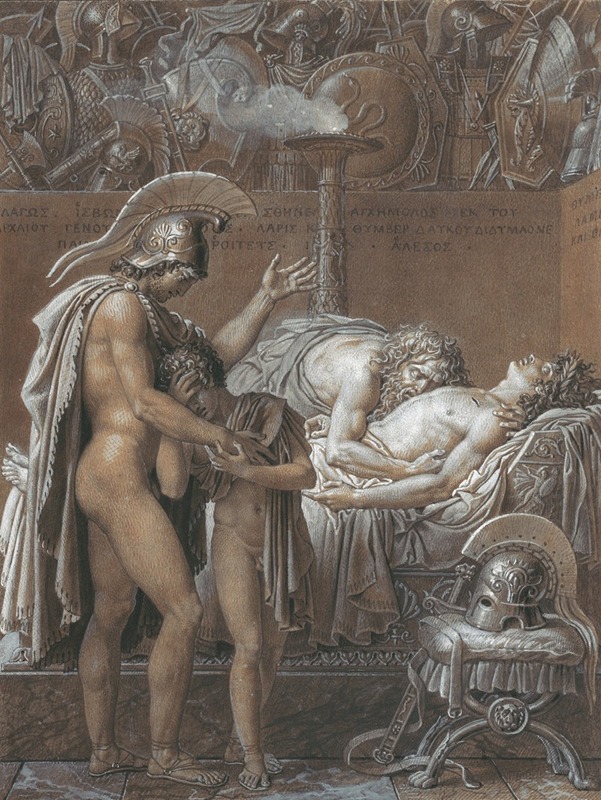
The Mourning of Pallas
Anne Louis Girodet-Trioson
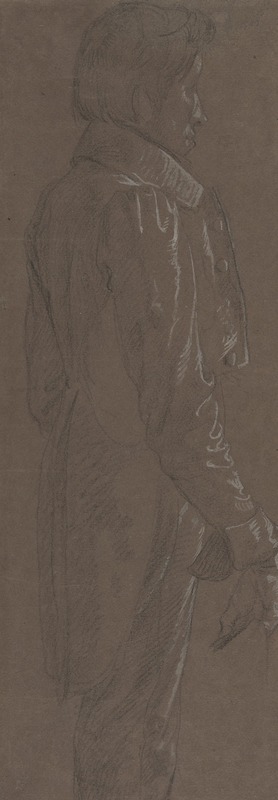
Standing Gentleman, three-quarter length profile facing right
Anne Louis Girodet-Trioson
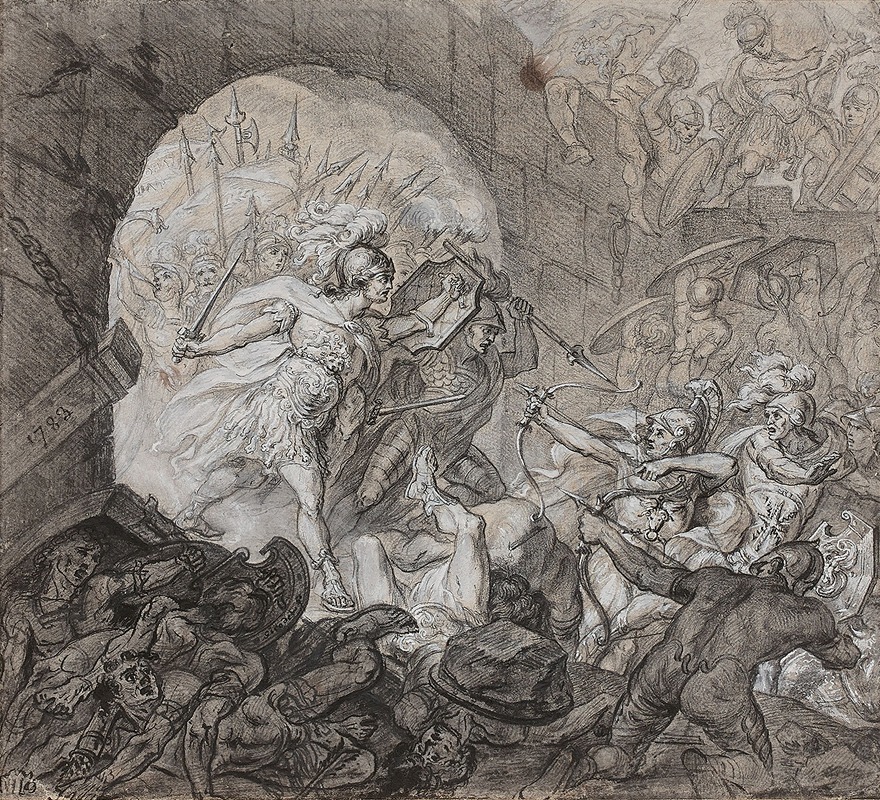
Le camp des Grecs forcé par les Troyens
Anne Louis Girodet-Trioson
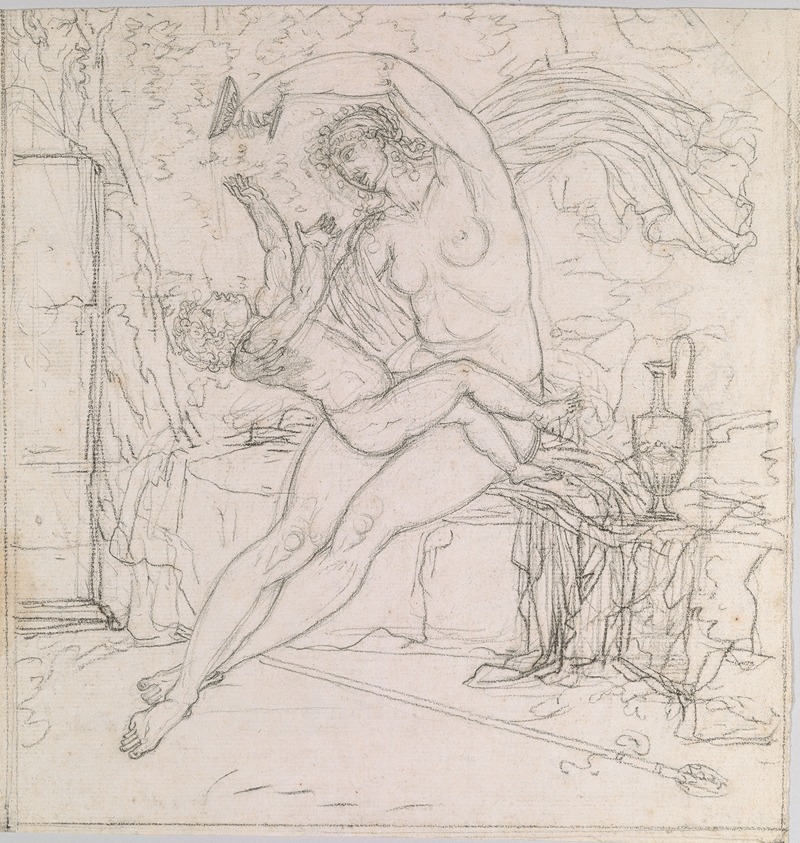
The Childhood of Bacchus
Anne Louis Girodet-Trioson
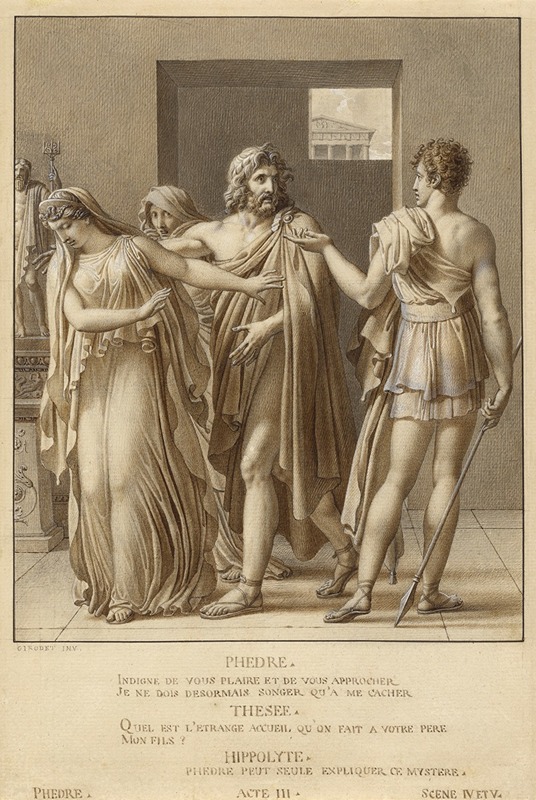
Phaedra Rejecting the Embraces of Theseus
Anne Louis Girodet-Trioson
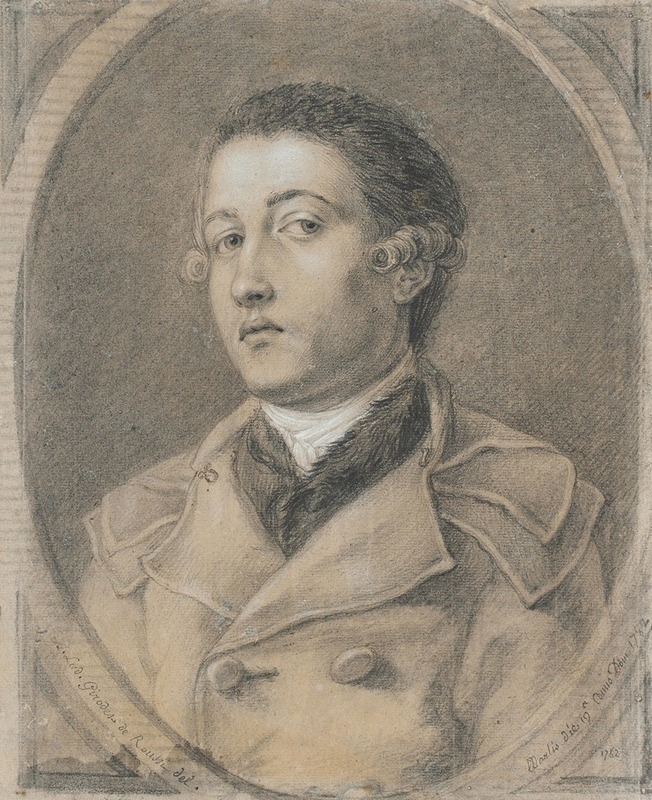
Portrait of a Young Man
Anne Louis Girodet-Trioson
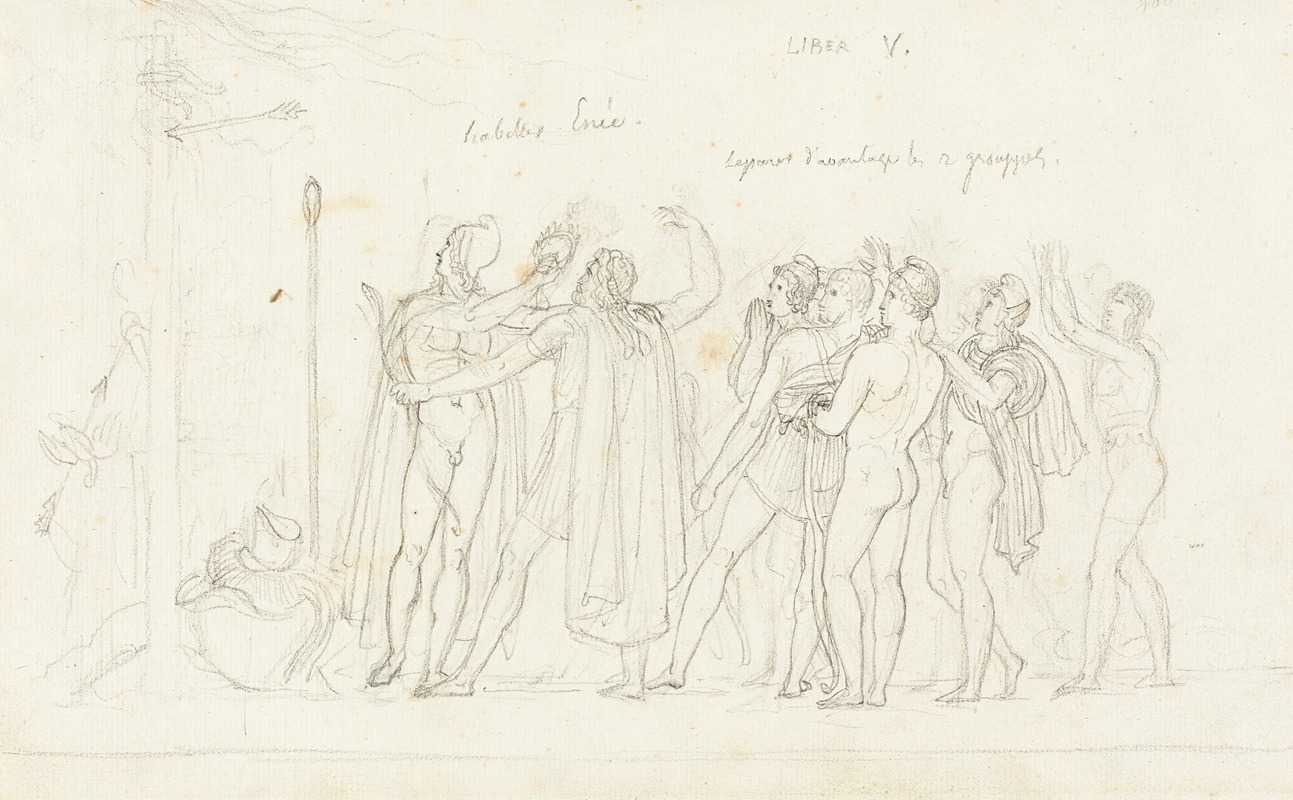
The Archery Match, from the Aeneid, Book V
Anne Louis Girodet-Trioson