
The Island of Cythera — History & Facts
The Island of Cythera was painted by Jean-Antoine Watteau around 1709–1710, using oil on canvas. The work measures 44.3 by 54.4 cm and is held by the Städel Museum. It belongs to the genre of fêtes galantes, a category that Watteau pioneered, depicting scenes of elegant outdoor entertainment and courtship, and is one of the earliest known treatments of the Cythera theme in his career. A group of finely dressed men and women gathers in a lush, wooded landscape, preparing to embark toward the mythical island of Cythera, a classical symbol of love.
The figures are arranged in a gentle arc, with couples interacting in varied poses of conversation and anticipation. At the left, a gondola awaits near the shore, attended by putti and figures, while a winged cupid hovers above, reinforcing the theme of love and longing. The palette is dominated by soft, atmospheric tones, with delicate handling of light and shadow creating a sense of depth and theatricality.
The composition includes references to theatre and opera, with the scene resembling a stage set, and details such as costumes and gestures conveying a mood of pleasure, festivity, and romantic expectation. This painting is an early example of Watteau’s exploration of the Cythera subject, which he would revisit in later, larger works. The Städel Museum’s version, inventory number 2150, is part of a tradition of depicting the embarkation for Cythera, a theme that became closely associated with Watteau and the rococo movement. The work has been recognized for its role in defining the fête galante genre and reflects contemporary interest in themes of love, sociability, and theatricality in early eighteenth-century French art.
Sources: Städel Museum, record 2150 · Wikidata Q19820267 · Image source (Wikimedia Commons)
More Artworks by Jean-Antoine Watteau
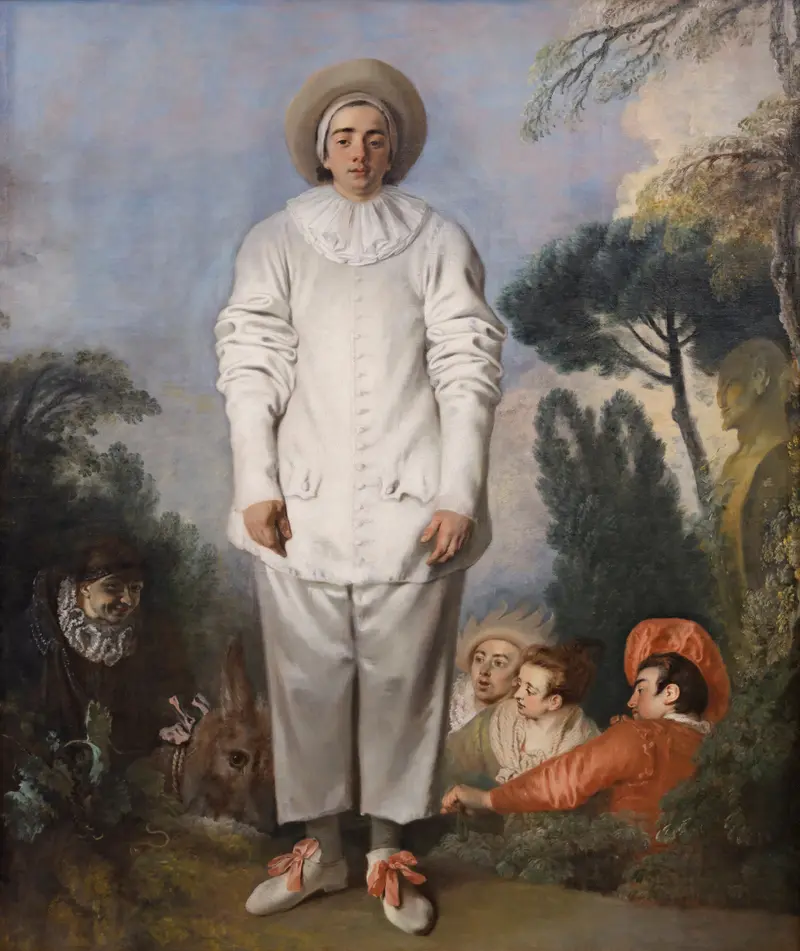
Pierrot (Gilles)
Jean-Antoine Watteau
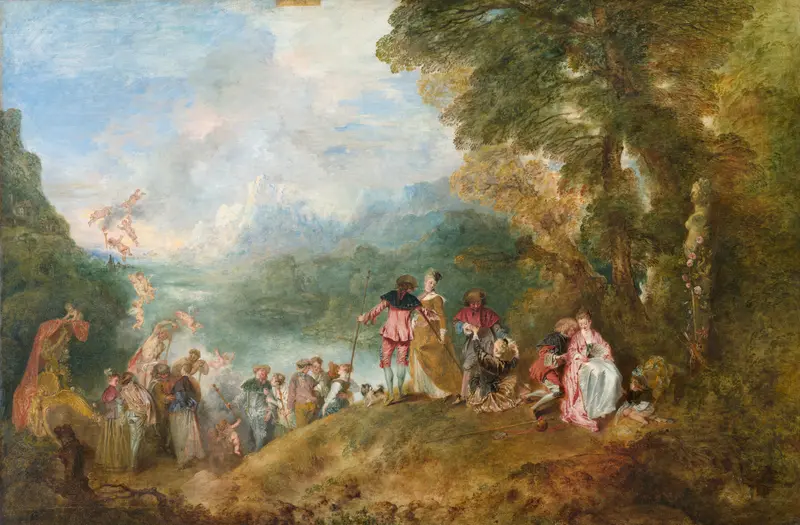
The Embarkation for Cythera
Jean-Antoine Watteau
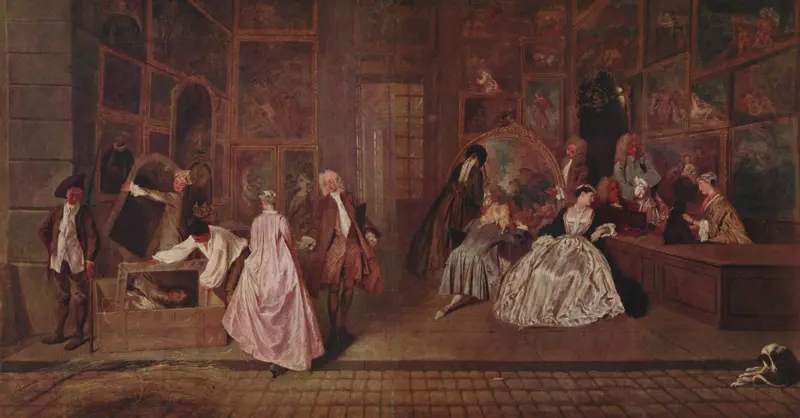
The Shop Sign of Gersaint
Jean-Antoine Watteau
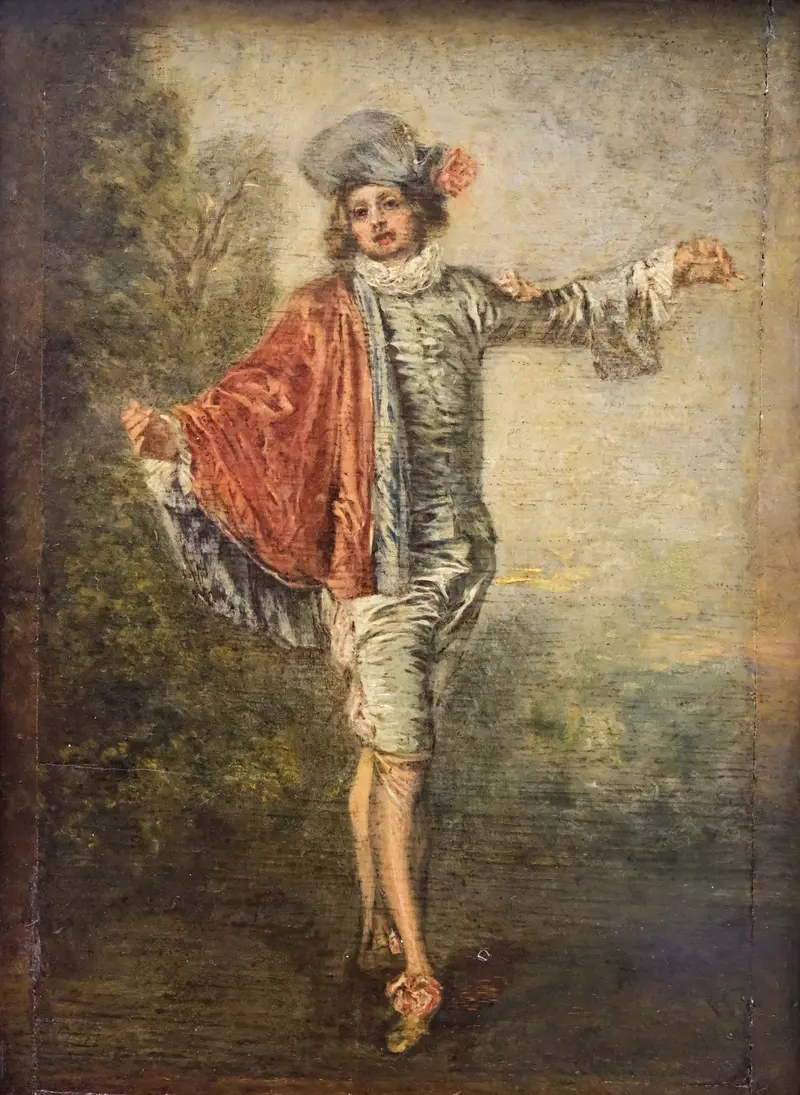
L'Indifférent
Jean-Antoine Watteau
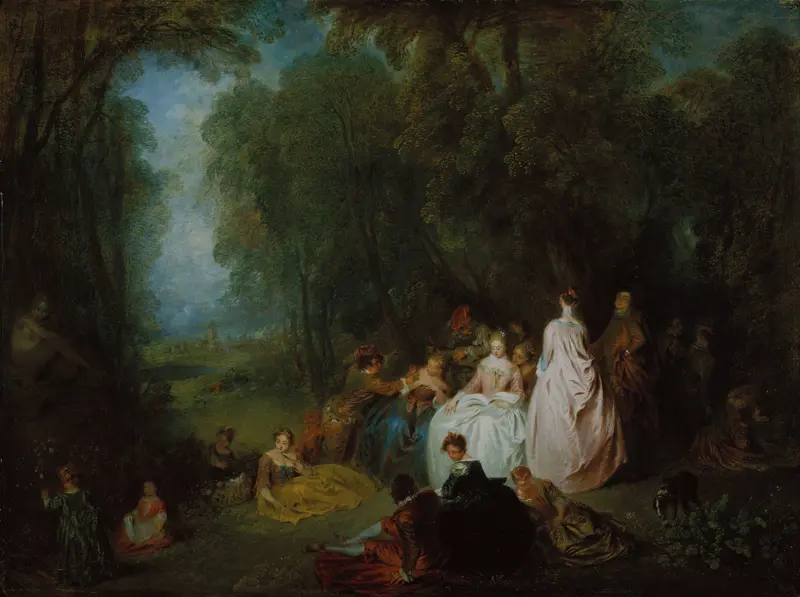
Fête champêtre (Pastoral Gathering)
Jean-Antoine Watteau
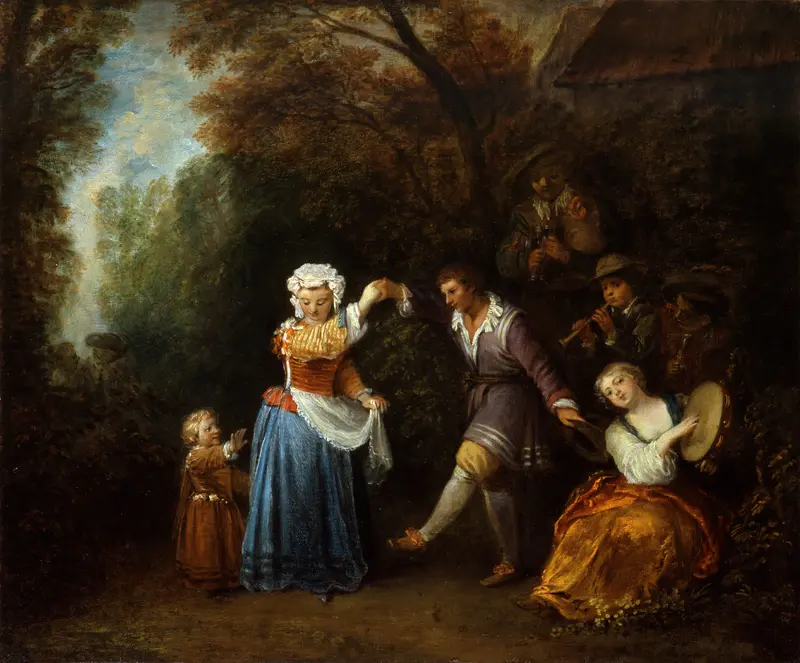
The Country Dance
Jean-Antoine Watteau

The French Comedians
Jean-Antoine Watteau
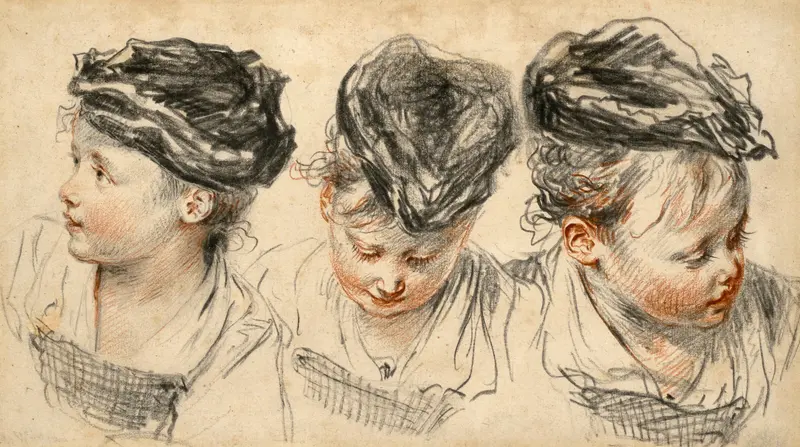
Three head studies of a girl wearing a hat
Jean-Antoine Watteau
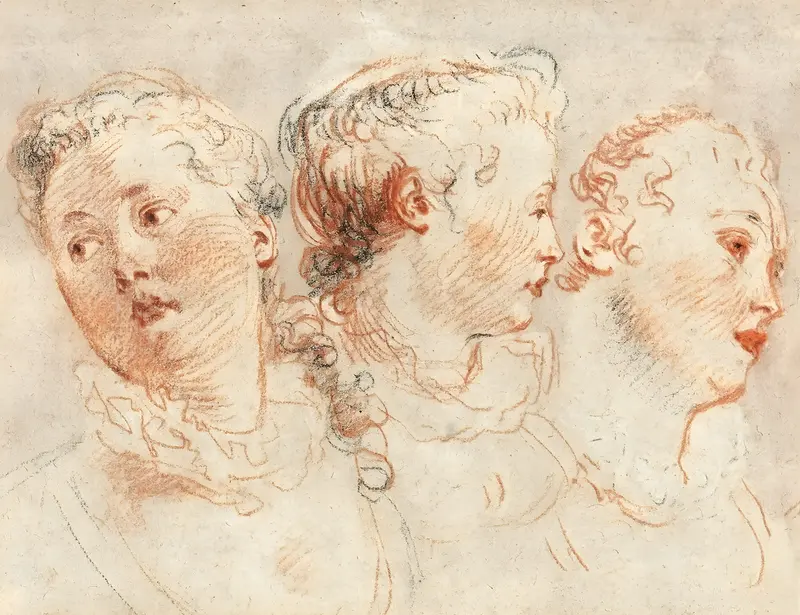
Three Studies Of The Head Of A Woman
Jean-Antoine Watteau

Portret van een dame met harlekijn
Jean-Antoine Watteau



