
Quatre soldats de l'armée en déroute 97.1 Musée de la Vie romantique — History & Facts
A single, desperate gesture draws the eye: the outstretched arm of the standing figure, his hand slicing the air as if to command or warn, while his companions slump in exhaustion or despair. The four soldiers, battered and layered in mismatched, tattered clothing, huddle on a barren, snow-flecked ground. Each face is a study in defeat—one buries his head, another stares blankly, a third looks up with haunted eyes.
The palette is muted, the brushwork loose, the background a blur of cold greys and ochres, all conspiring to press the figures forward and heighten their isolation. The composition pulls the viewer into the huddle, making us feel the weight of fatigue and the uncertainty of what lies ahead. Painted by Ary Scheffer in 1826, this work belongs to a world still haunted by the aftermath of the Napoleonic wars, when images of suffering soldiers and the cost of glory were a new, unsettling subject for art. In the early nineteenth century, artists began to turn from grand battle scenes to the private misery of the defeated and the lost, drawing on both Romantic sensibility and eyewitness accounts.
Small-scale works like this, now held by Paris Musées, were often intended for collectors seeking not heroism but the raw truth of recent history. Few traces remain of the personal stories behind such images, but the painting’s raw immediacy invites us to search each face for echoes of a Europe still reckoning with its scars.
More Artworks by Ary Scheffer

Princess Marie d'Orléans in Her Studio
Ary Scheffer
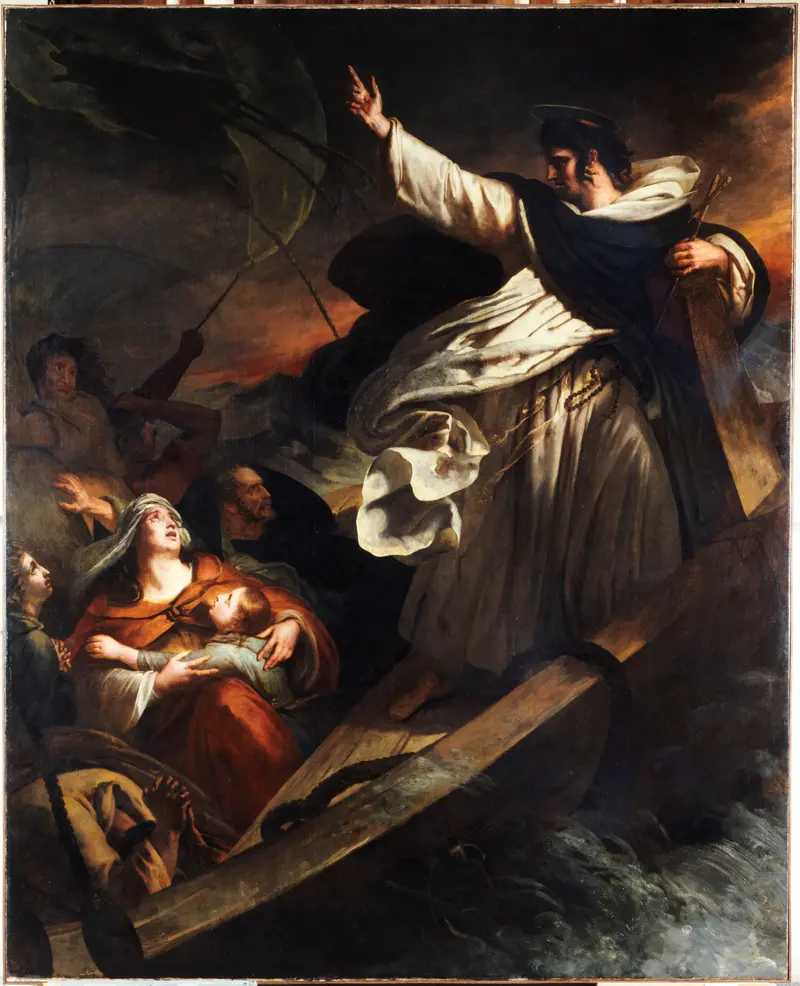
Saint Thomas d'Aquin prêchant la confiance en Dieu pendant la tempête
Ary Scheffer
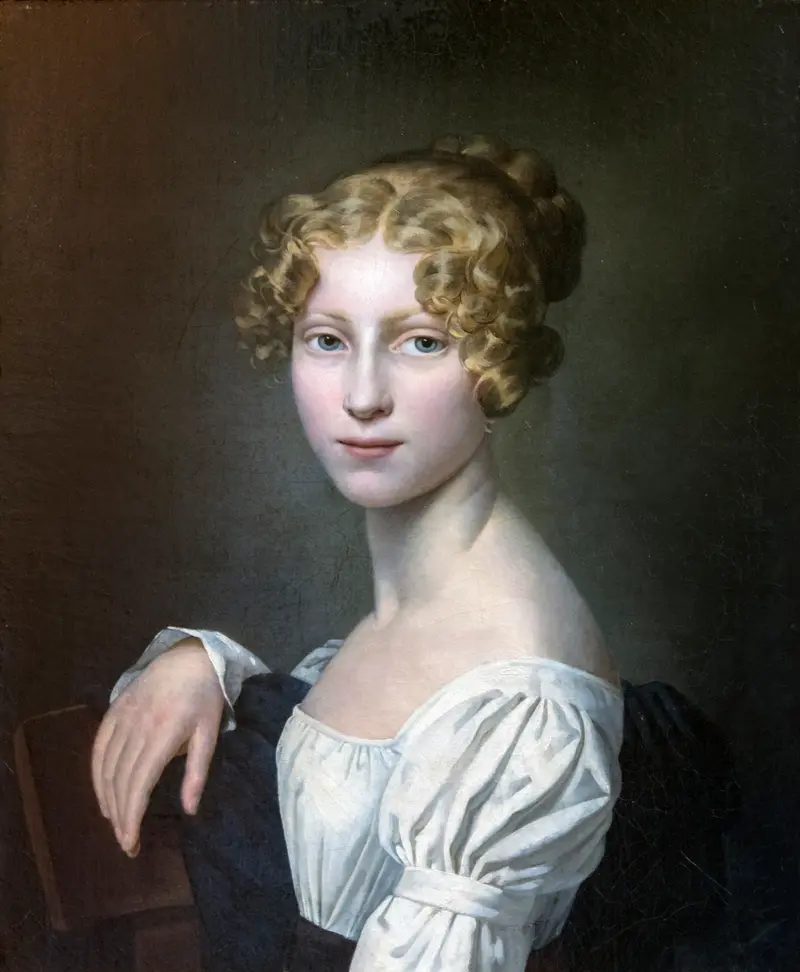
Pauline de Rémusat par Ary Scheffer
Ary Scheffer
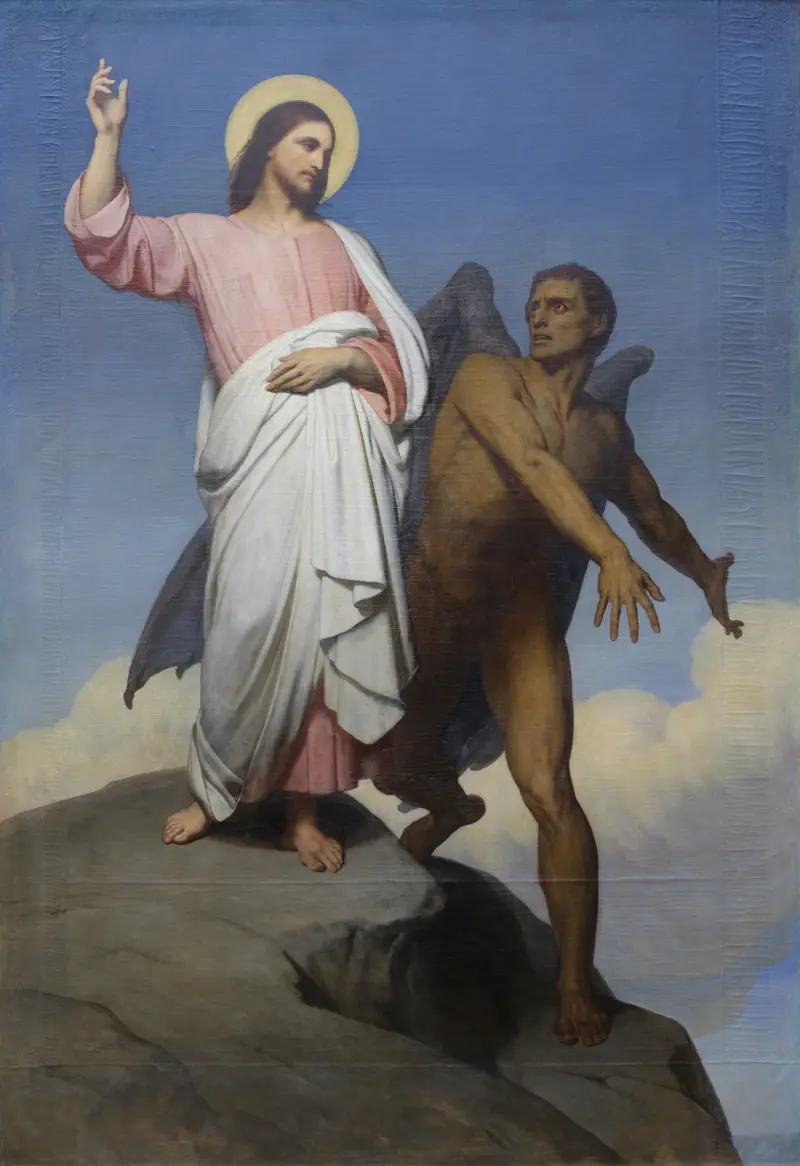
La Tentation du Christ Musée du Louvre Peintures MI 285
Ary Scheffer
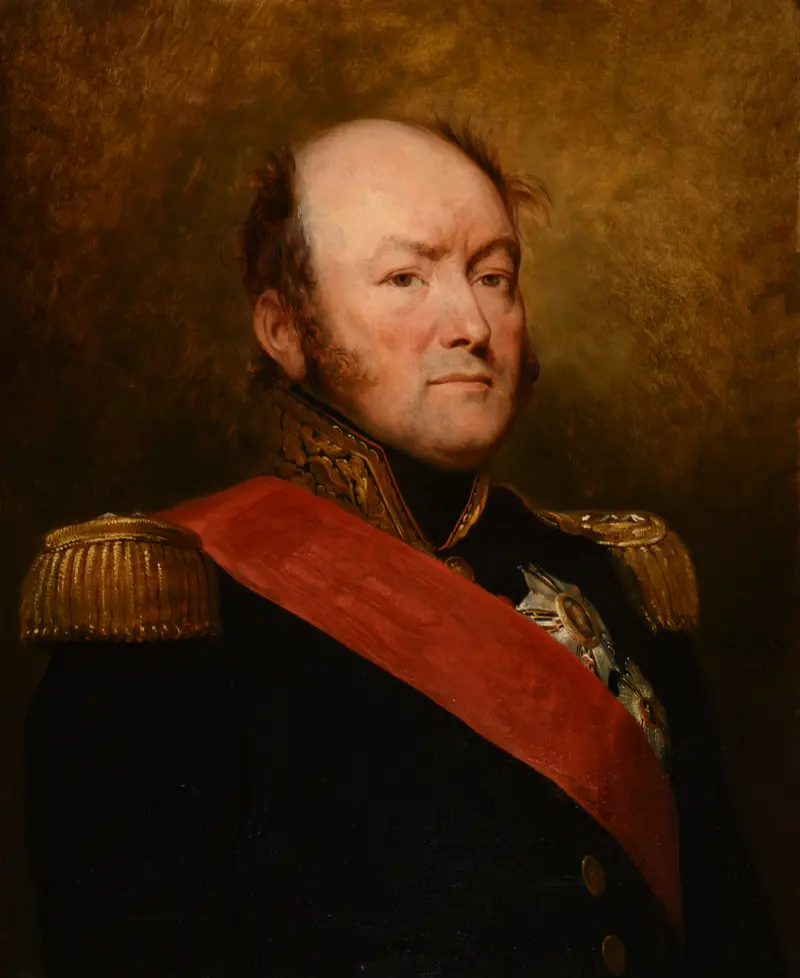
Comte Drouet d'Erlon
Ary Scheffer
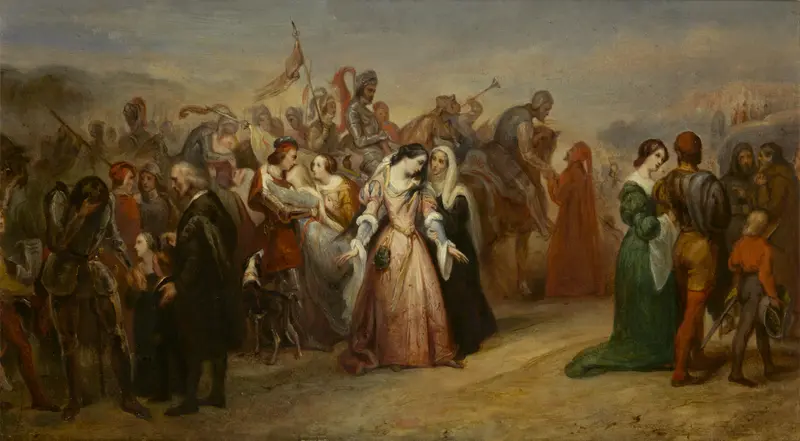
Lenore - de terugkeer van het leger
Ary Scheffer
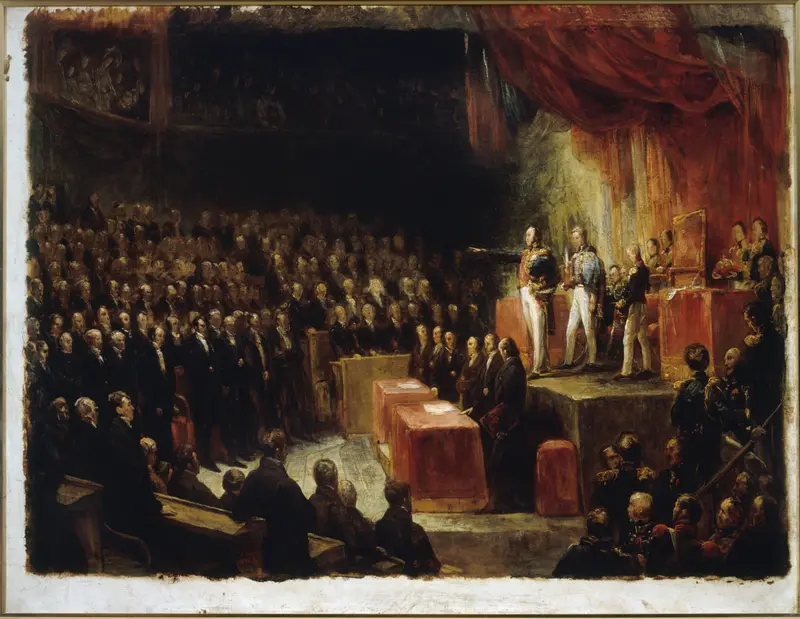
Louis Philippe prêtant serment devants les chambres, le 9 août 1830 P1537 Musée Carnavalet
Ary Scheffer
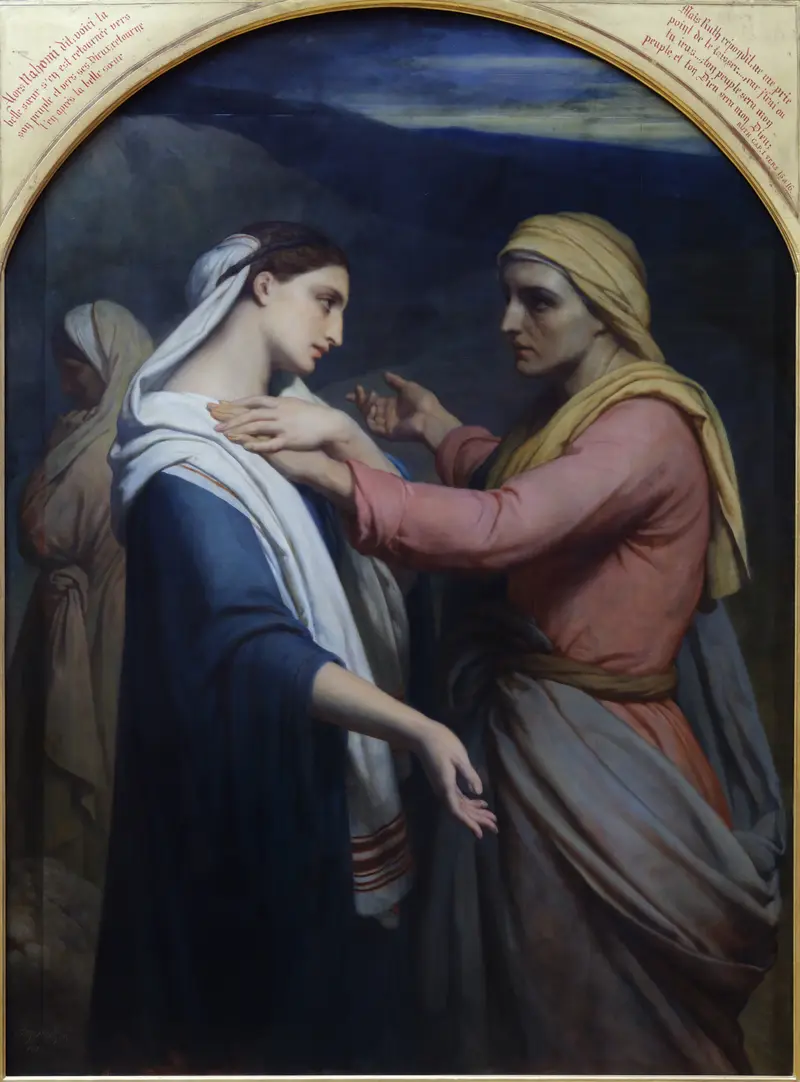
Ruth et Noémi Musée du Louvre Peintures RF 2013 4
Ary Scheffer

Figuur van een treurende engel DM S 70 Dordrechts Museum
Ary Scheffer
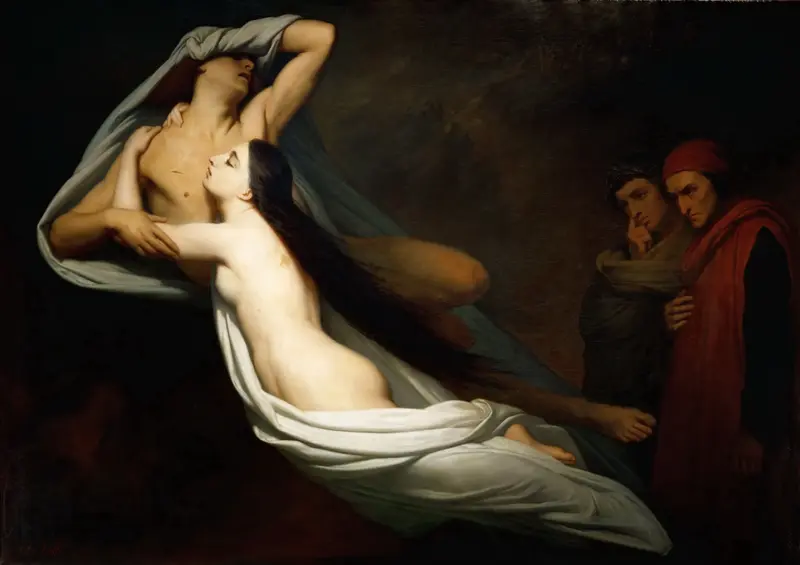
Francesca da Rimini and Paolo Malatesta appraised by Dante and Virgil
Ary Scheffer



