
Rabbit and Copper Pot — History & Facts
In Rabbit and Copper Pot, Jean Siméon Chardin presents a still life featuring a rabbit and a copper pot. The colors are warm, with rich browns and soft highlights that reflect light off the pot's surface. The rabbit is depicted in a naturalistic manner, showcasing its fur texture and form.
The setting is simple yet intimate, drawing the viewer's attention to the subject matter. The painting is executed in oil on canvas, a medium that allows for detailed textures and vibrant colors. Chardin's technique is characterized by careful brushwork, which enhances the realism of the rabbit and the reflective quality of the copper pot. The composition is balanced, with the rabbit positioned prominently in the foreground.
This work exemplifies Chardin's skill in still life painting, particularly in capturing the essence of everyday objects. Jean Siméon Chardin was a prominent French painter known for his still life and genre scenes. Created around c. 1725, Rabbit and Copper Pot reflects the Rococo style, emphasizing elegance and charm.
An interesting fact about this work is that it showcases Chardin's ability to elevate ordinary subjects into fine art, demonstrating his deep appreciation for the beauty of the mundane. His works often convey a sense of tranquility and simplicity, making them timeless pieces in art history.
More Artworks by Jean Siméon Chardin

The Ray
Jean Siméon Chardin
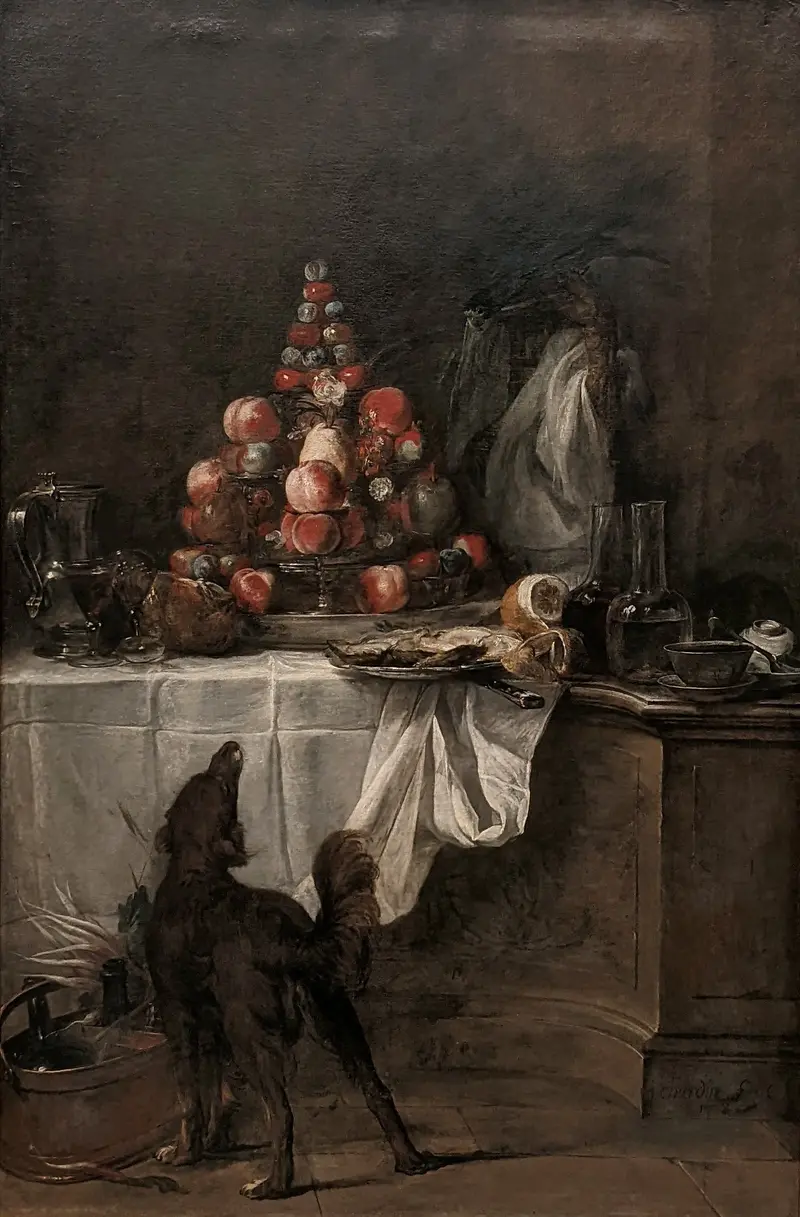
The Buffet
Jean Siméon Chardin

The White Tablecloth
Jean Siméon Chardin
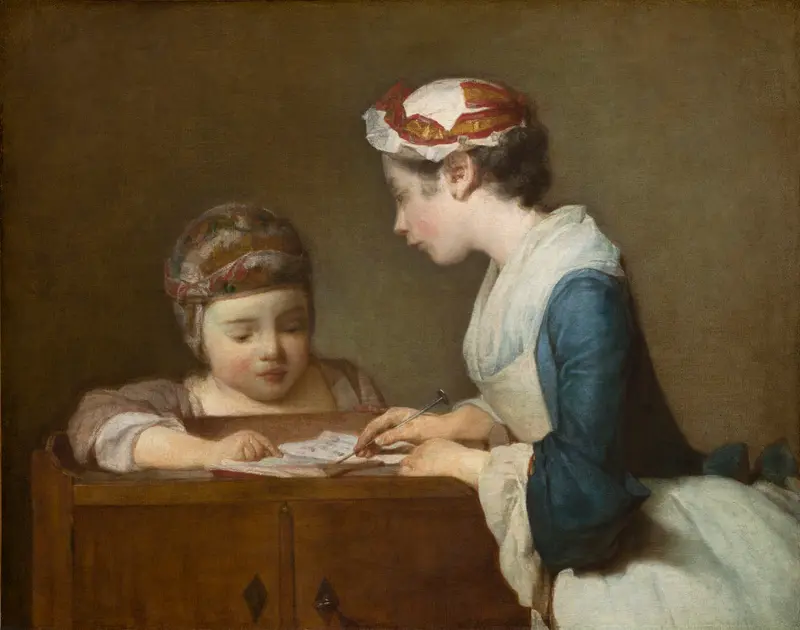
The Little Schoolmistress
Jean Siméon Chardin

Portrait of Madame Chardin
Jean Siméon Chardin
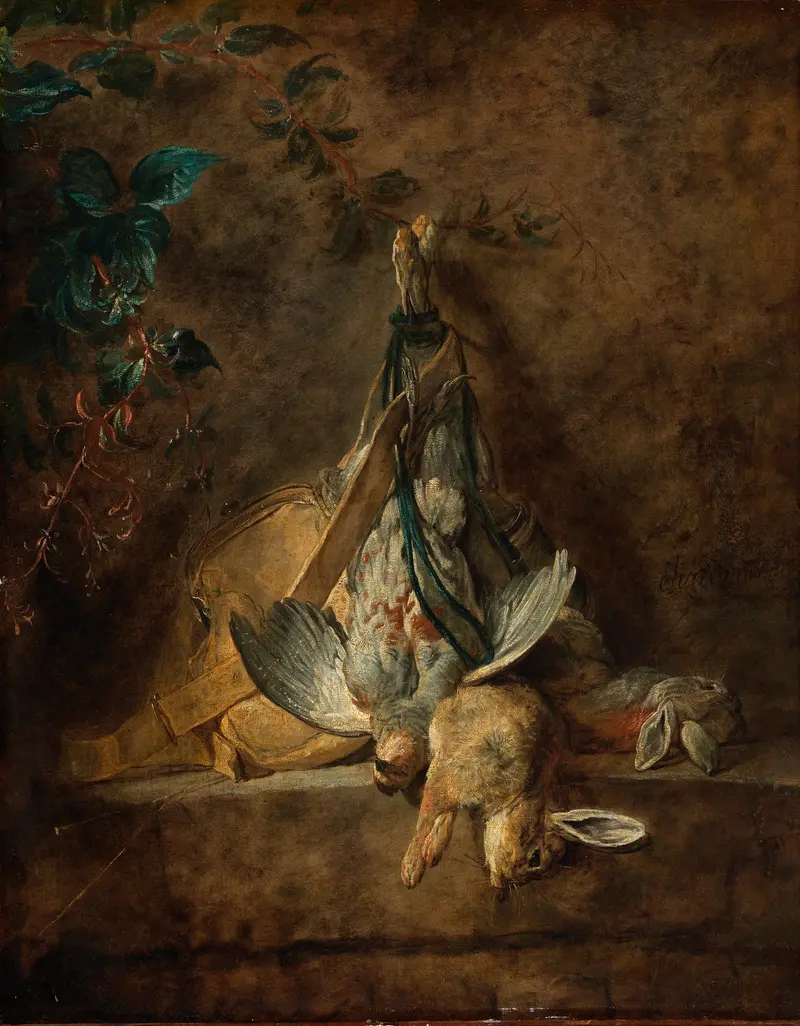
A Still Life; Two Rabbits, a Grey Partridge, Game Bag and a Powder Flask
Jean Siméon Chardin
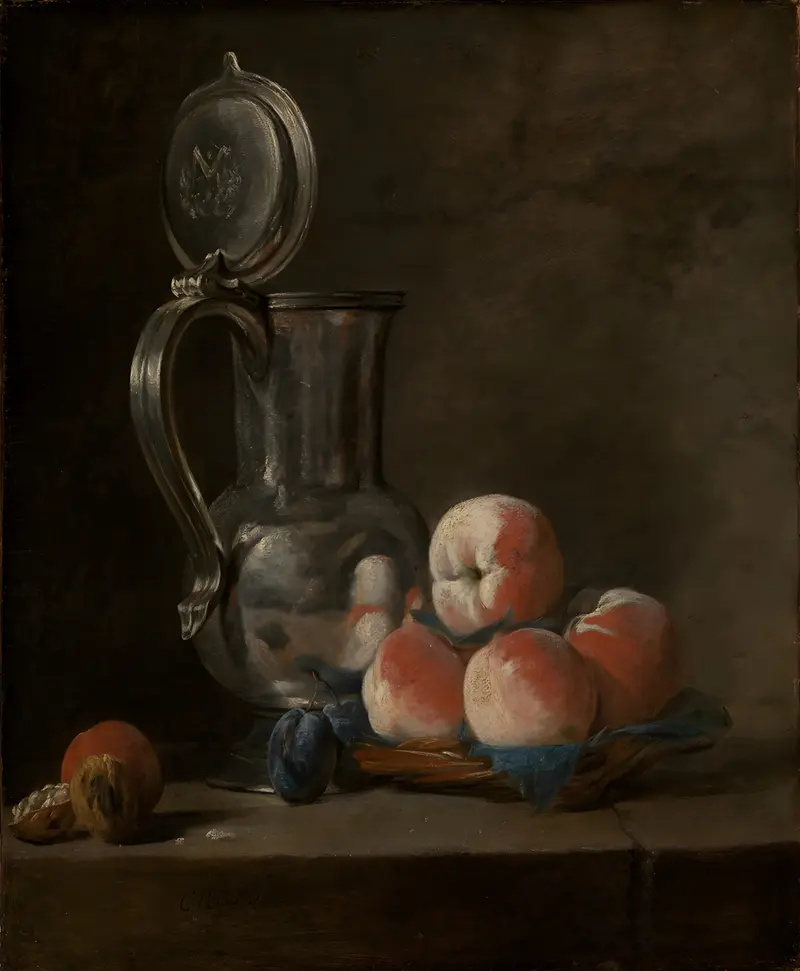
Still life with pewter jug and peaches
Jean Siméon Chardin
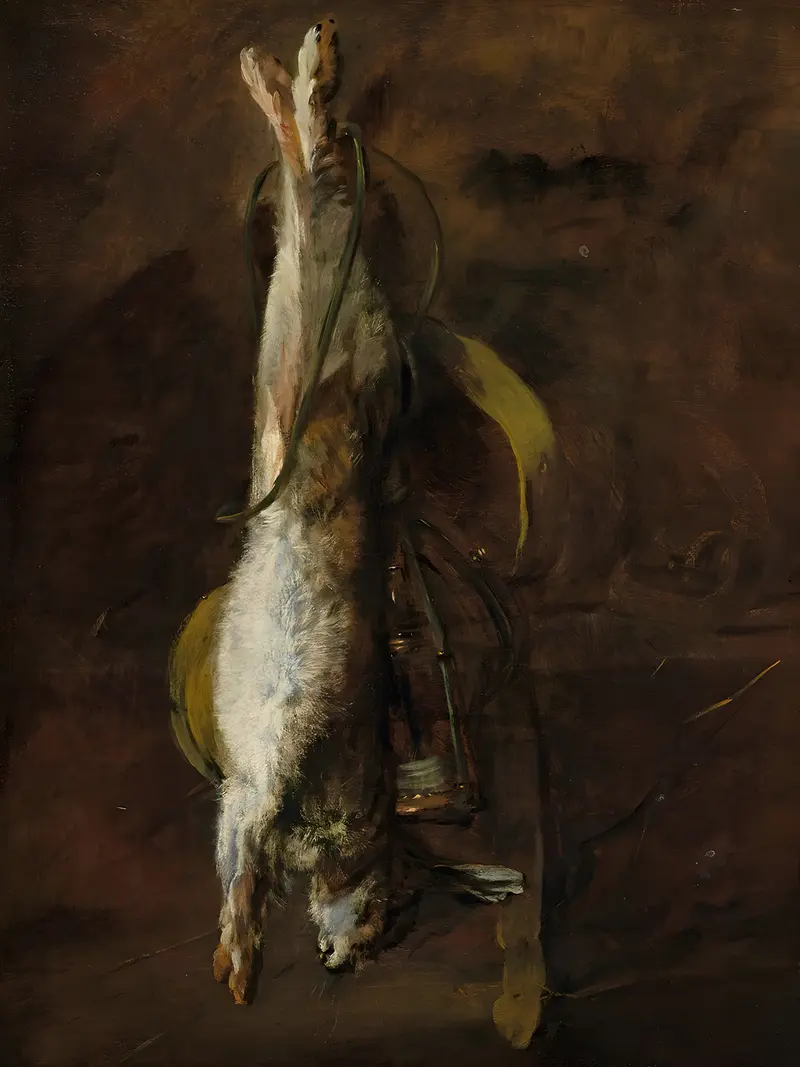
A dead rabbit and a satchel
Jean Siméon Chardin
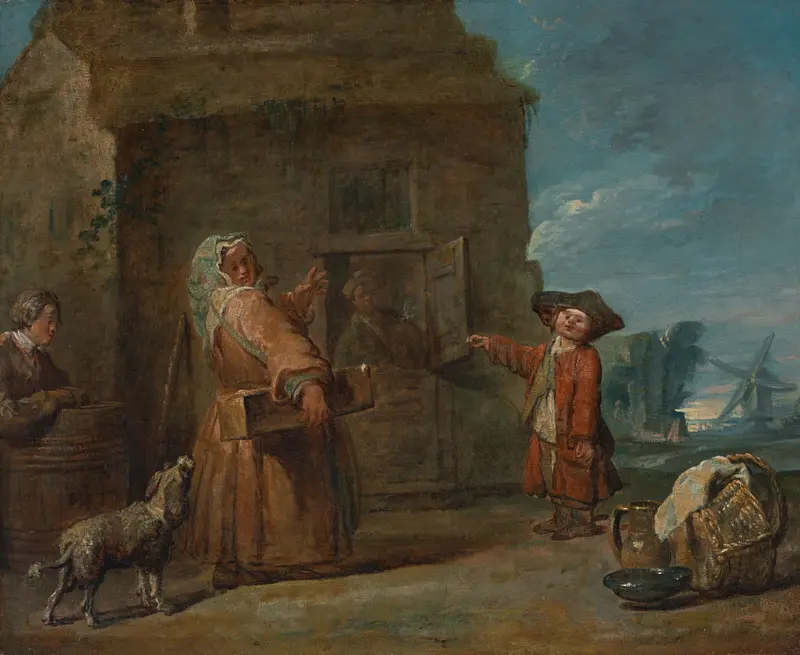
A genre scene, possibly La boïte du prestidigitateur (‘The Conjurer’s Box’)
Jean Siméon Chardin
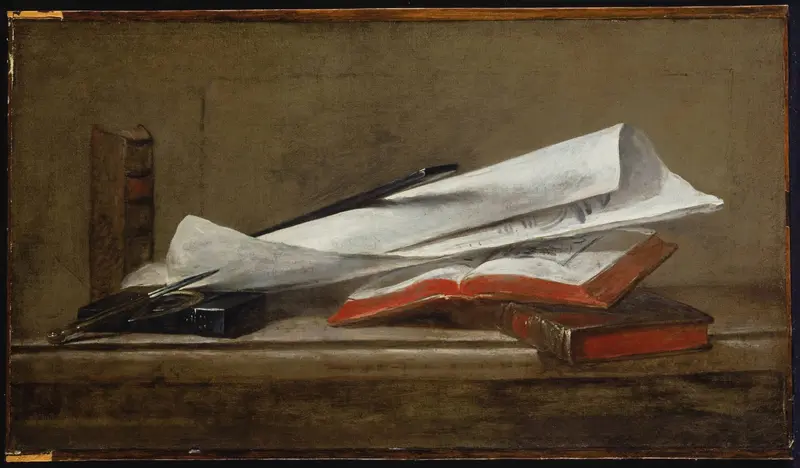
Attributes of the Architect
Jean Siméon Chardin





