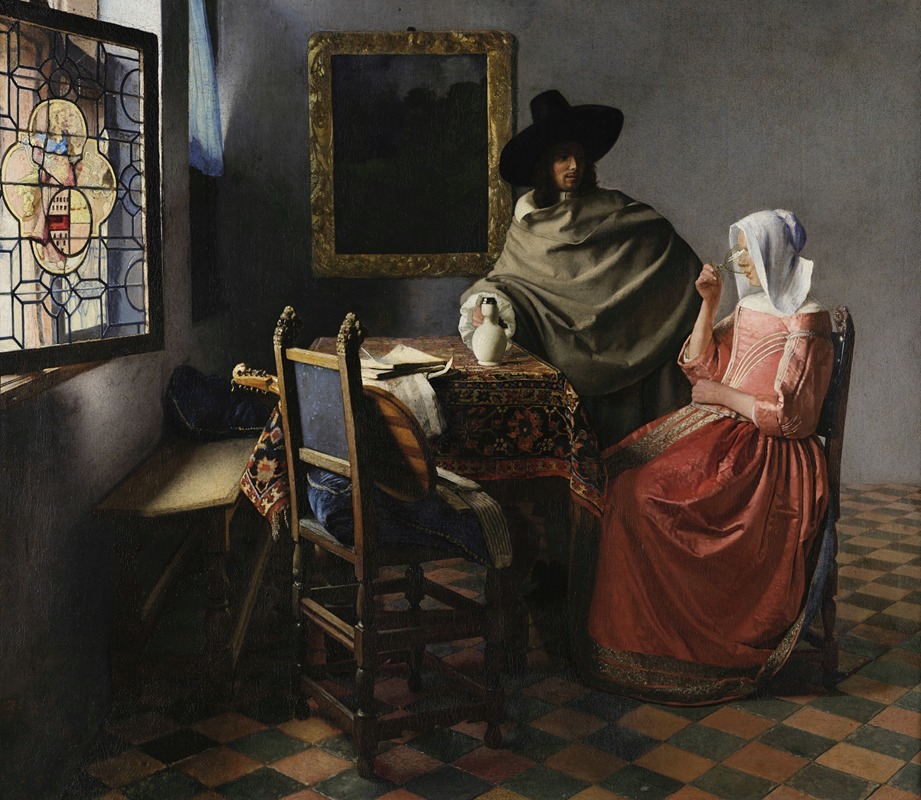
Discover insights about this artwork
Apples — History & Facts
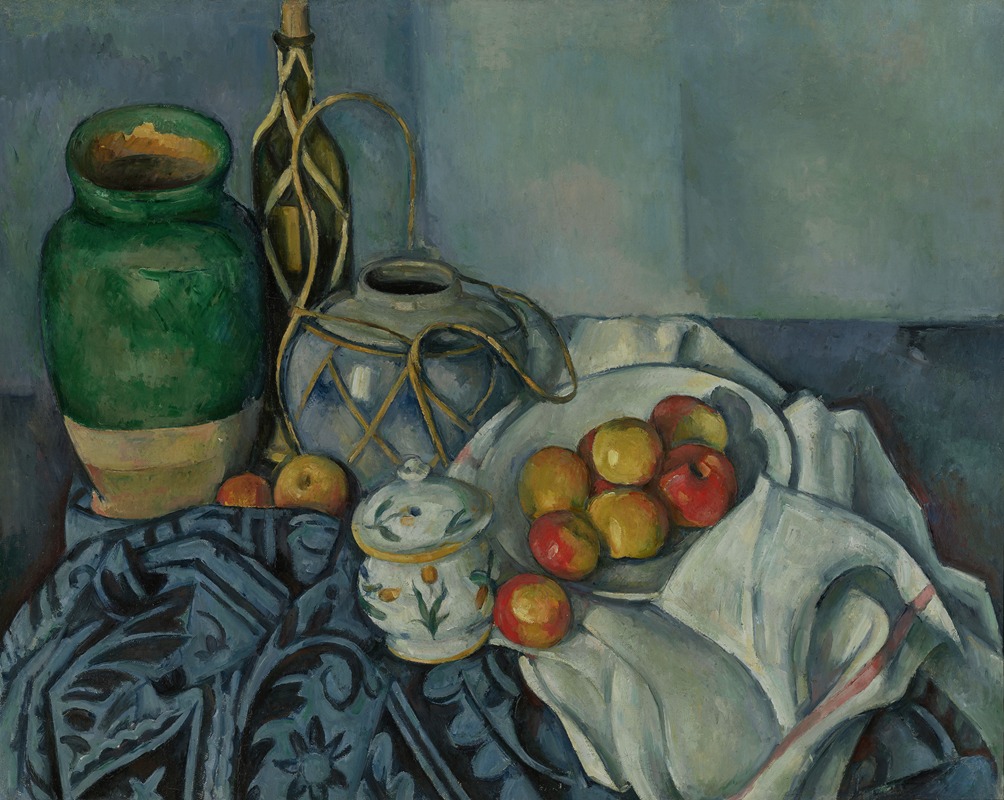
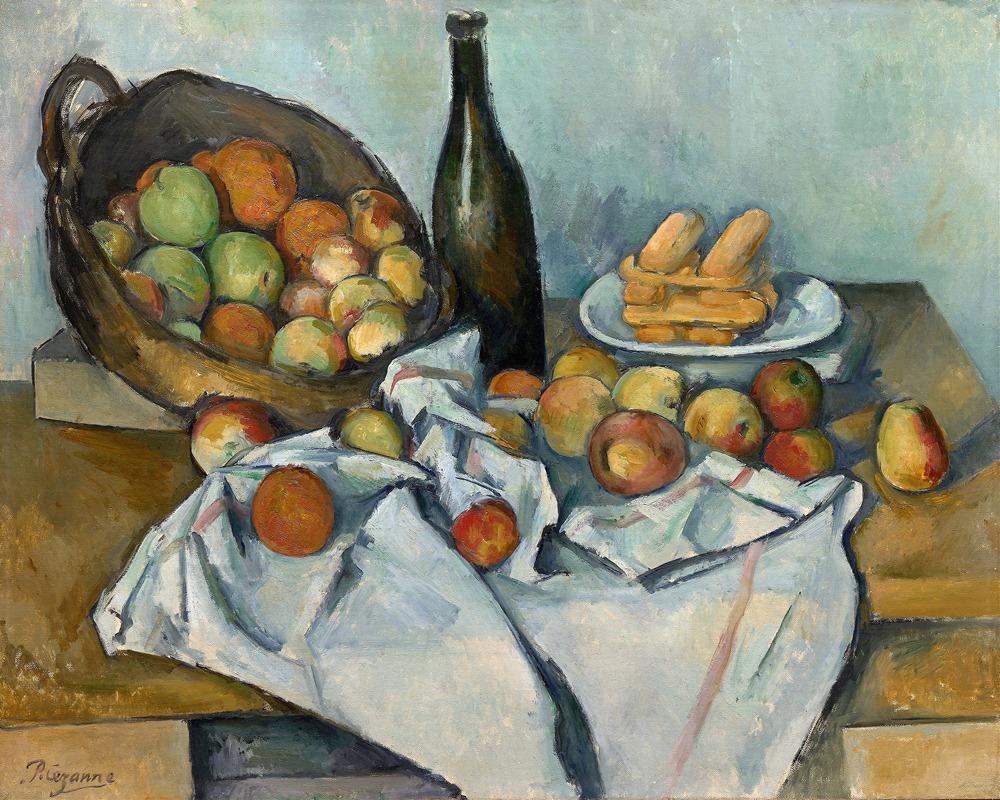
In Apples, Paul Cézanne presents a simple yet striking arrangement of apples. The colors are rich, with deep reds and greens dominating the composition. The apples are depicted with a sense of volume and weight, resting on a textured surface.
The background is softly blurred, allowing the fruit to stand out as the focal point of the painting. Cézanne's technique in this work showcases his unique brushwork and use of color. The apples are painted with thick, expressive strokes that convey their roundness and solidity. Light plays across the surface, creating highlights and shadows that enhance the three-dimensional quality of the fruit.
The overall composition is balanced, drawing the viewer's eye toward the center. Paul Cézanne is often regarded as a bridge between Impressionism and modern art. This painting, created in the late 19th century, reflects his innovative approach to still life. Cézanne believed that the essence of objects could be captured through color and form rather than mere representation.
An interesting fact about this work is that it exemplifies his departure from traditional perspectives, focusing instead on the arrangement and interaction of shapes.
More Artworks by Paul Cézanne
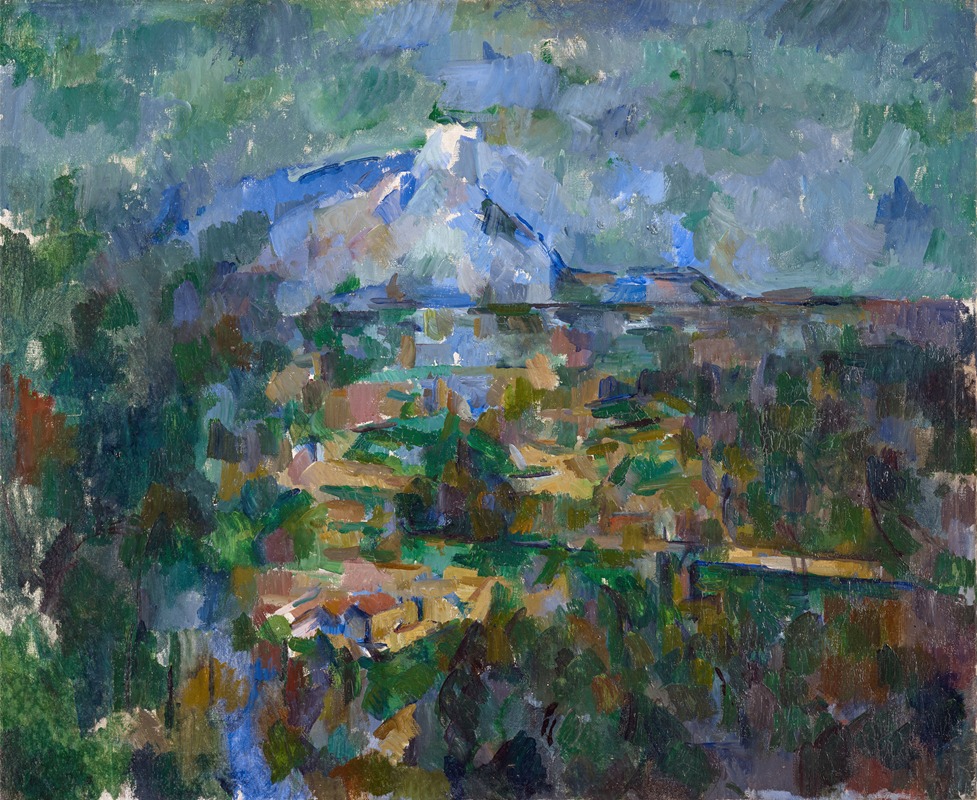
The Mont Sainte-Victoire Seen From Les Lauves
Paul Cézanne
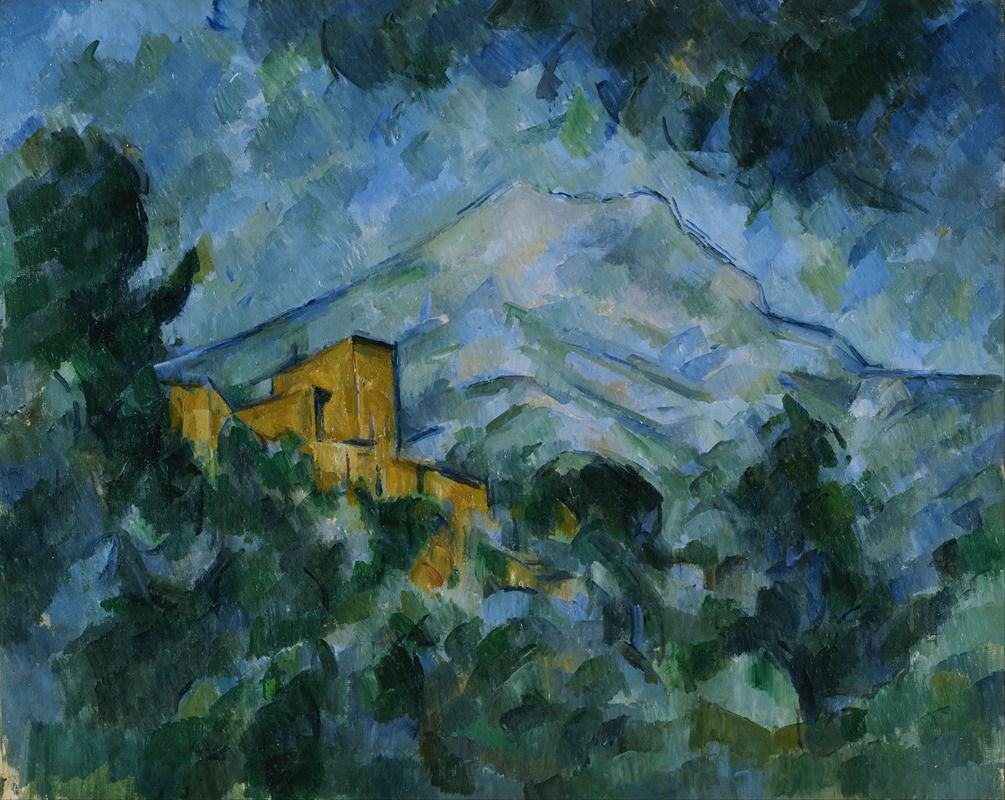
Mont Sainte-Victoire and Château Noir
Paul Cézanne
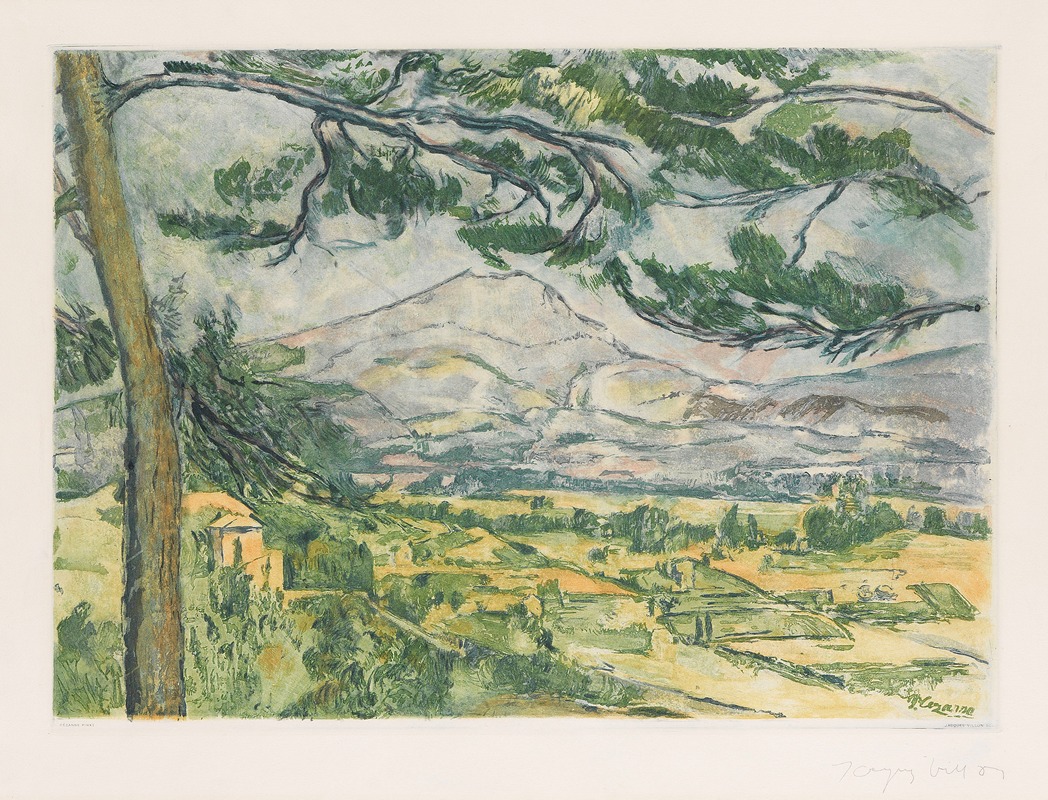
La Montagne Sainte-Victoire
Paul Cézanne
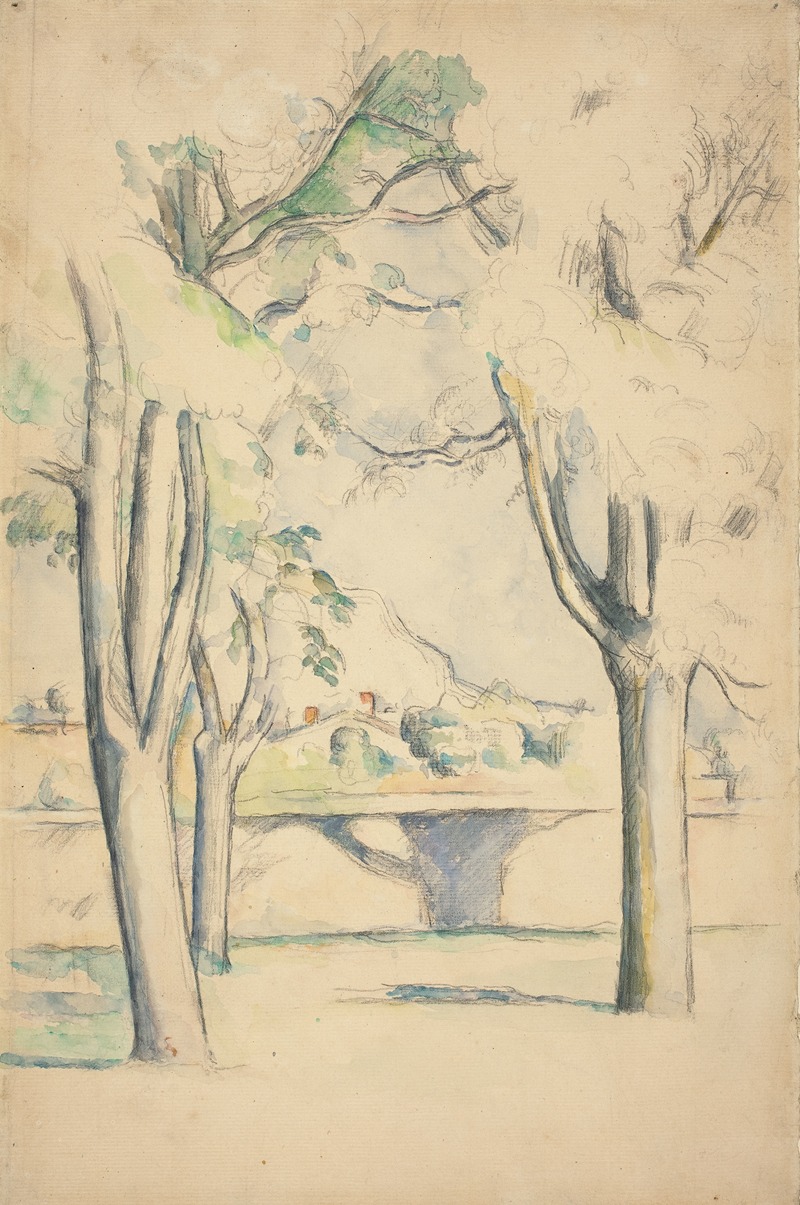
Mont Sainte-Victoire Seen beyond the Wall of the Jas de Bouffan
Paul Cézanne
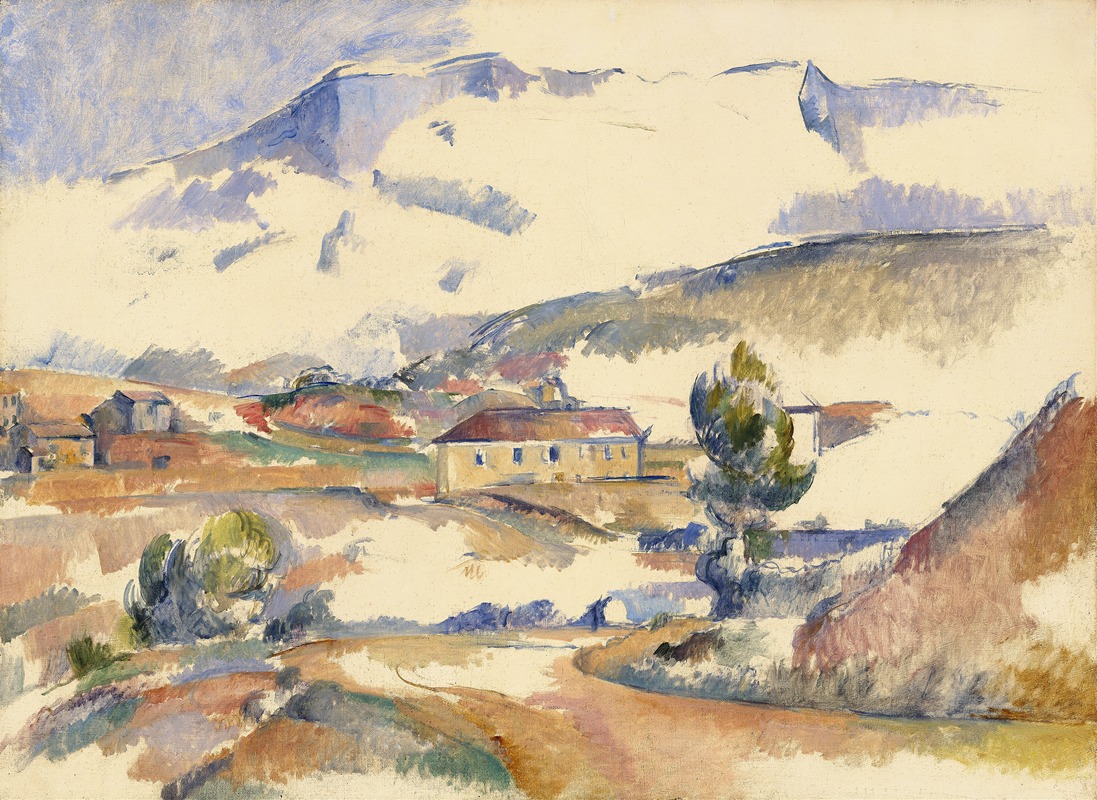
Montagne Sainte-Victoire,from near Gardanne
Paul Cézanne
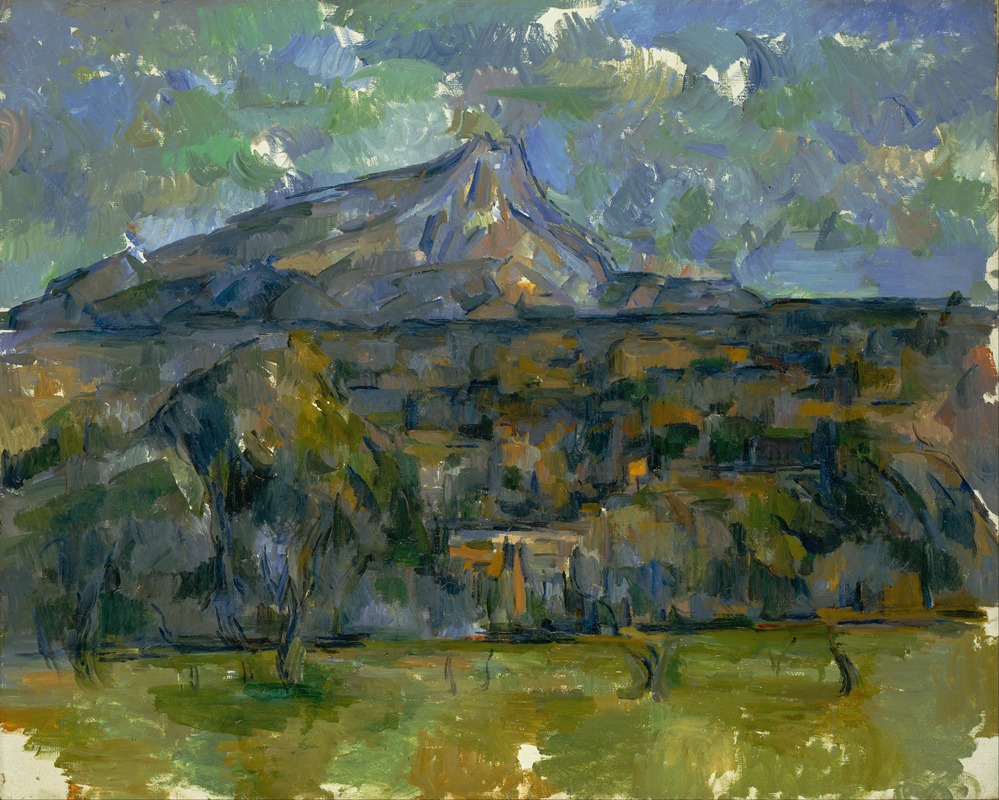
Mont Sainte-Victoire
Paul Cézanne
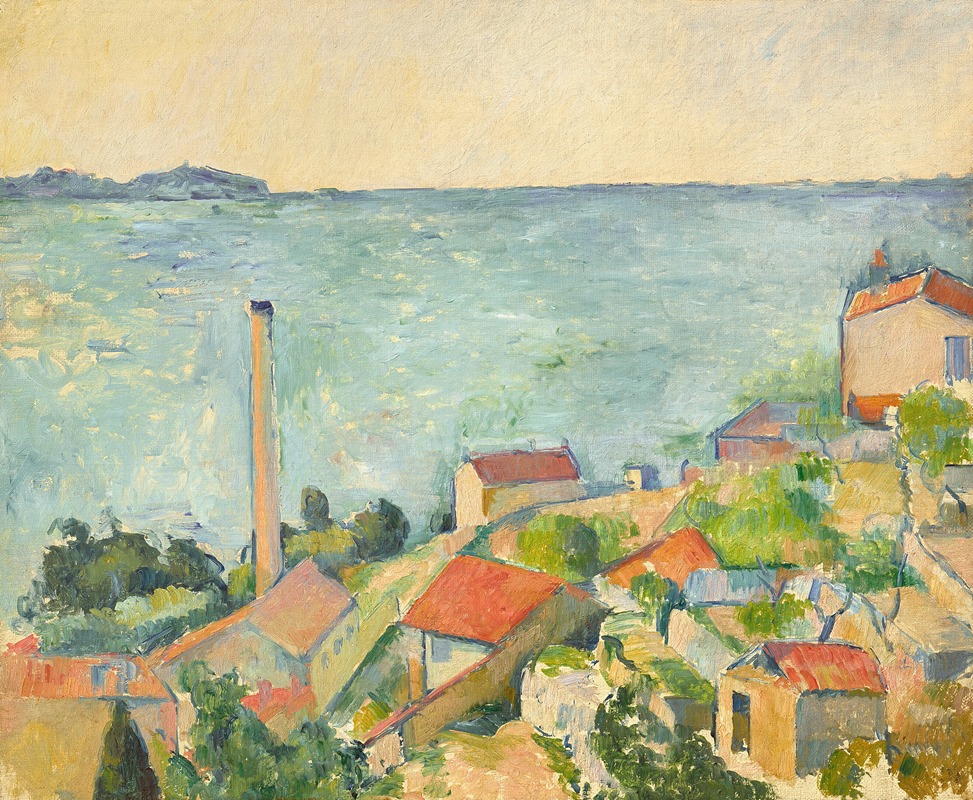
La mer à l’Estaque
Paul Cézanne
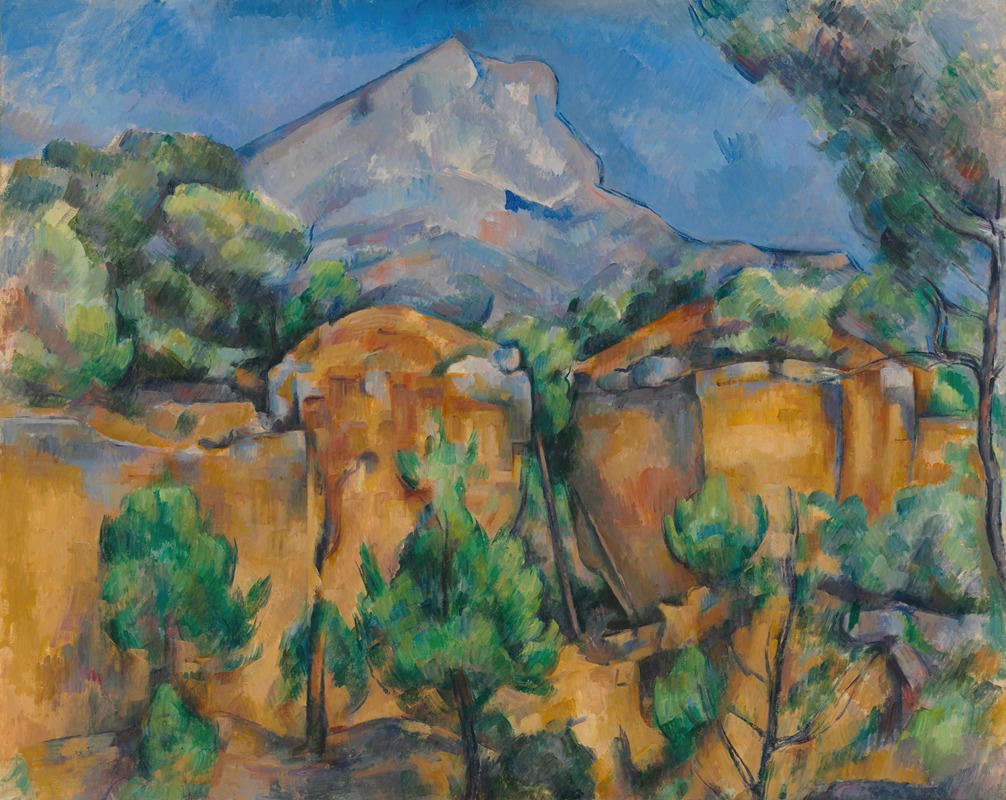
La Montagne Sainte-Victoire vue de la carrière Bibémus
Paul Cézanne
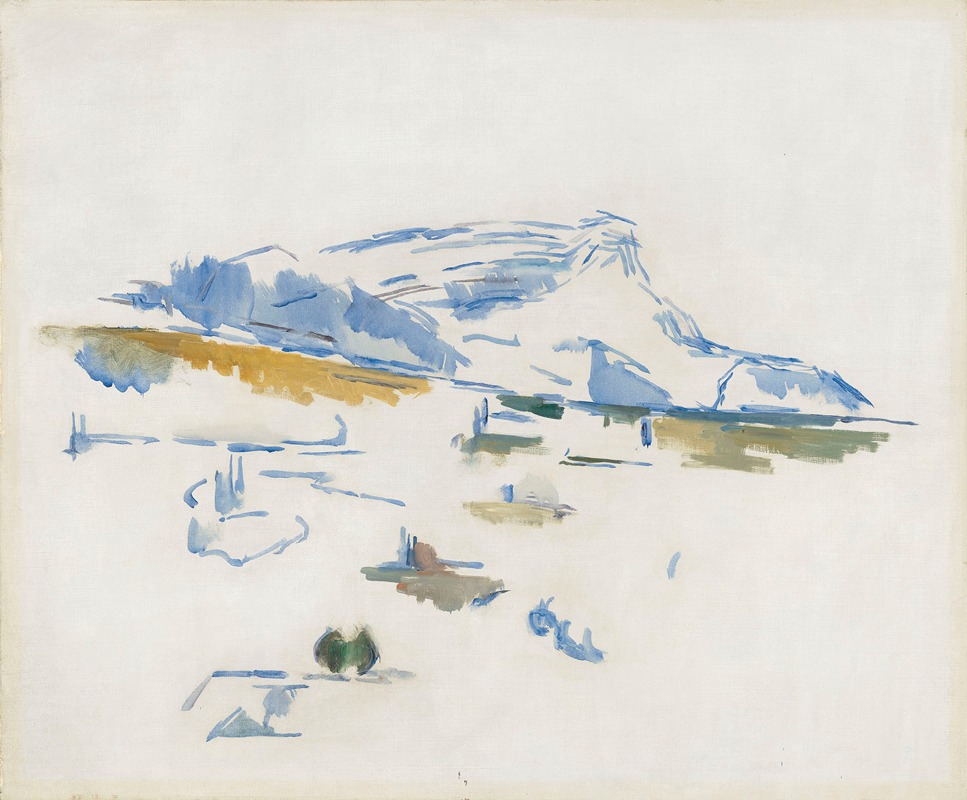
La Montagne Sainte-Victoire vue des Lauves
Paul Cézanne
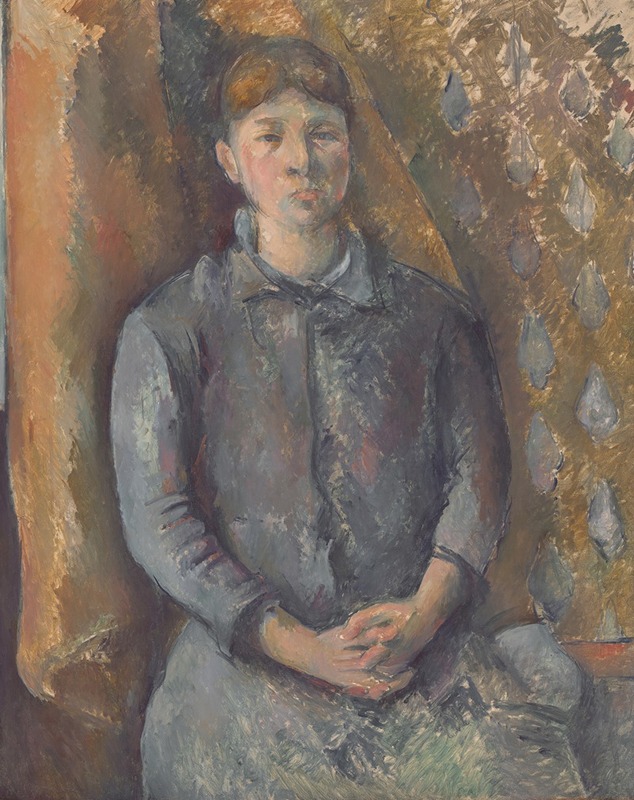
Madame Cézanne
Paul Cézanne