
Soap Bubbles — History & Facts
In Soap Bubbles, Jean Siméon Chardin captures a serene moment with delicate objects and fragile soap bubbles. The painting features a soft palette of pastel colors, primarily blues, pinks, and whites. The bubbles reflect light, creating a sense of movement and playfulness.
The setting is simple yet elegant, emphasizing the beauty of everyday items. Chardin employs oil on canvas to create this still life, showcasing his skill in rendering textures and light. The bubbles are painted with a transparency that contrasts with the solid forms of the objects surrounding them. The composition is carefully arranged, drawing the viewer's eye across the canvas.
The work exemplifies Chardin's mastery of still life, particularly in his attention to detail. Jean Siméon Chardin was a prominent French painter known for his still lifes and genre scenes. Created around c. 1735, Soap Bubbles reflects the Rococo style, characterized by its playful themes and intricate details.
Interestingly, this painting highlights Chardin's ability to elevate mundane subjects into works of art, demonstrating his unique approach to still life. Chardin's works often evoke a sense of calm and contemplation, making him a key figure in 18th-century art.
More Artworks by Jean Siméon Chardin

The Ray
Jean Siméon Chardin
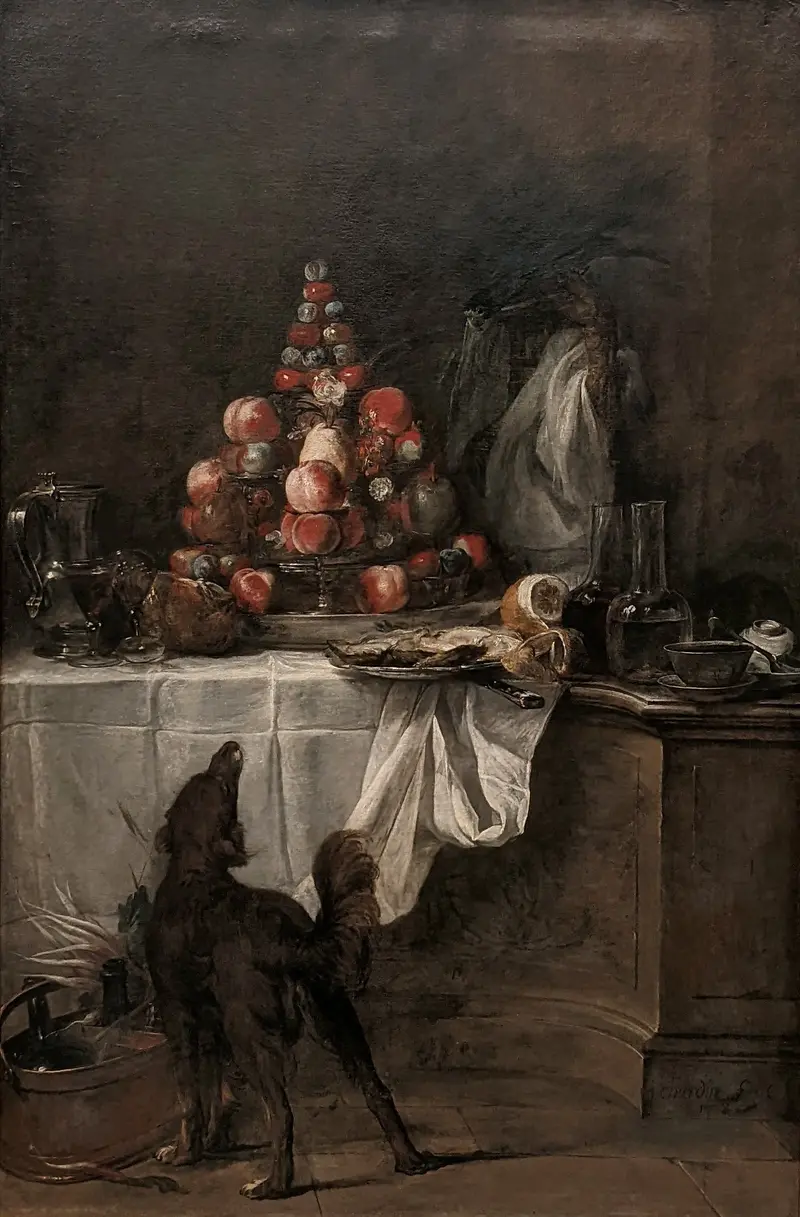
The Buffet
Jean Siméon Chardin

The White Tablecloth
Jean Siméon Chardin
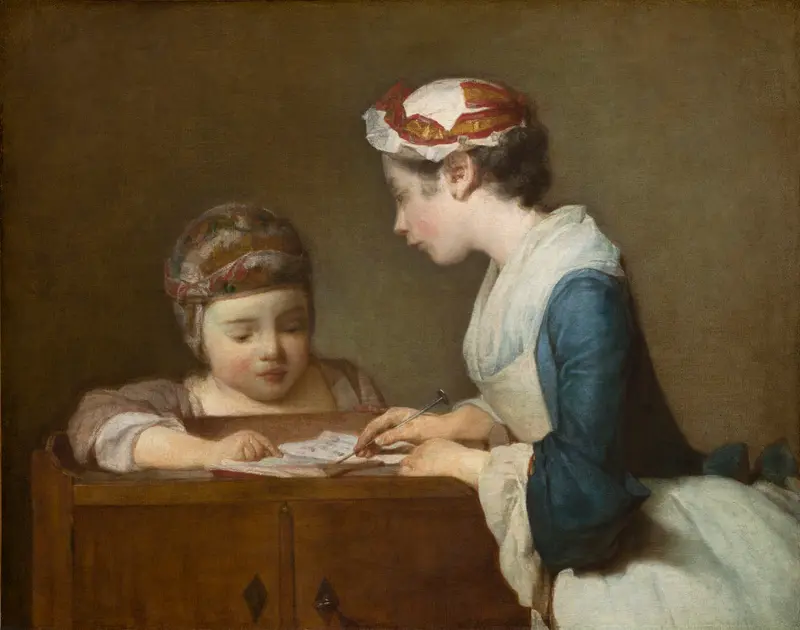
The Little Schoolmistress
Jean Siméon Chardin
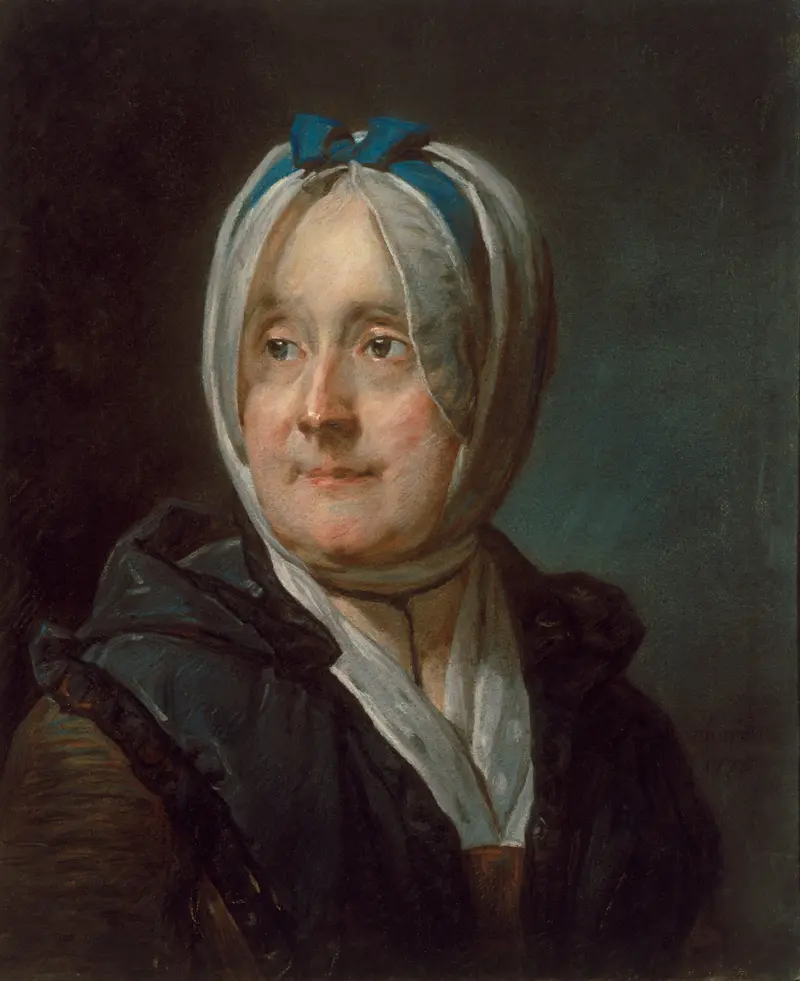
Portrait of Madame Chardin
Jean Siméon Chardin
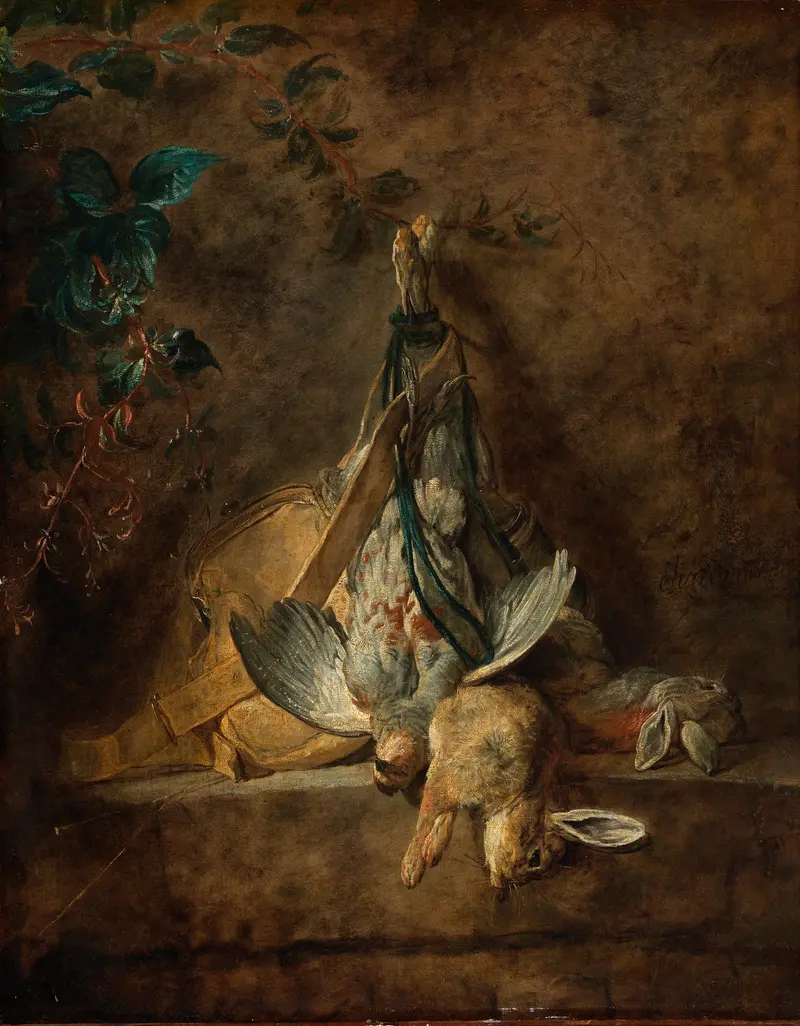
A Still Life; Two Rabbits, a Grey Partridge, Game Bag and a Powder Flask
Jean Siméon Chardin
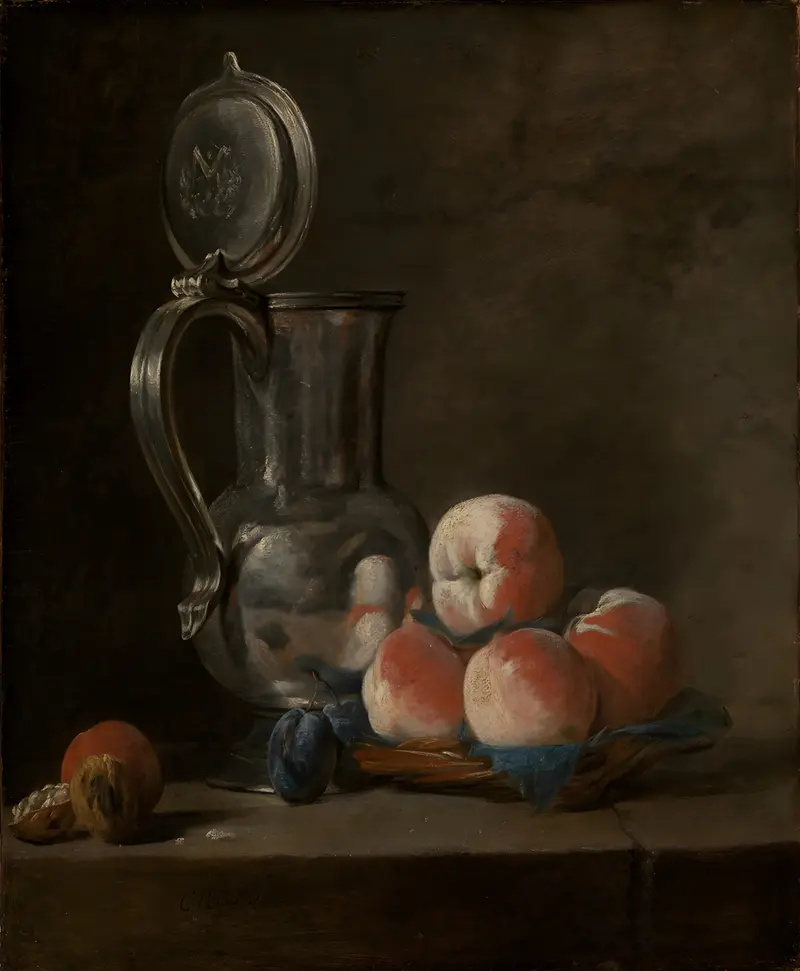
Still life with pewter jug and peaches
Jean Siméon Chardin
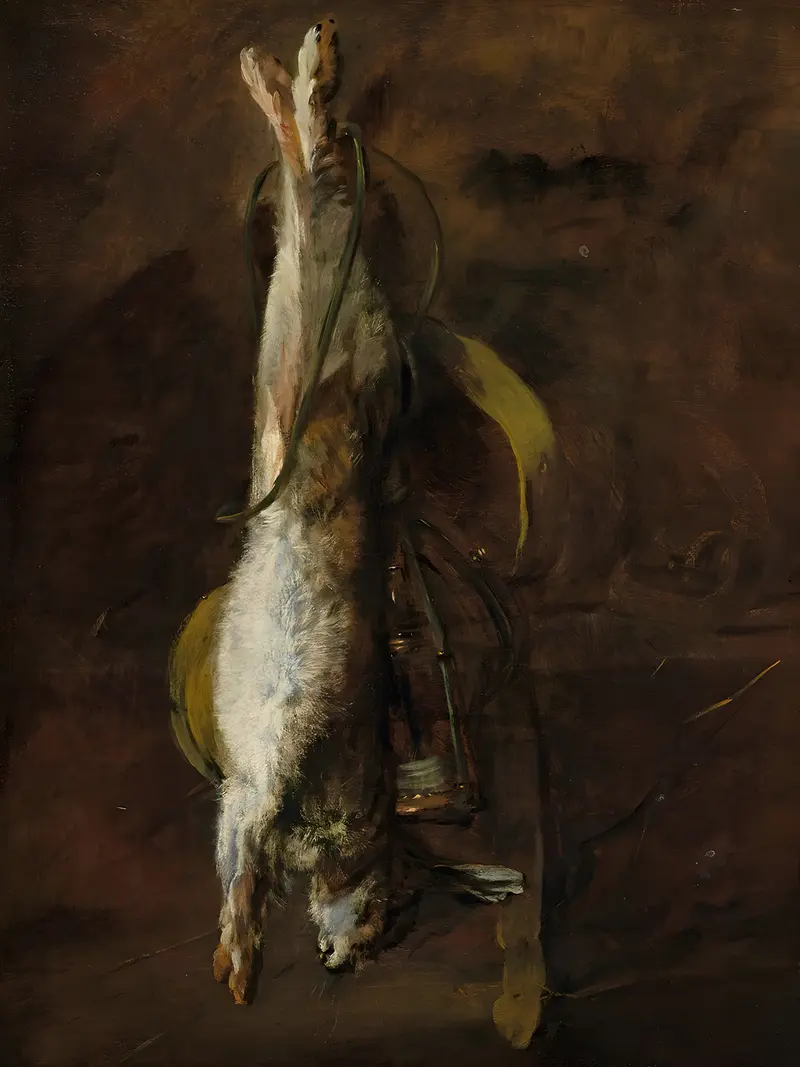
A dead rabbit and a satchel
Jean Siméon Chardin
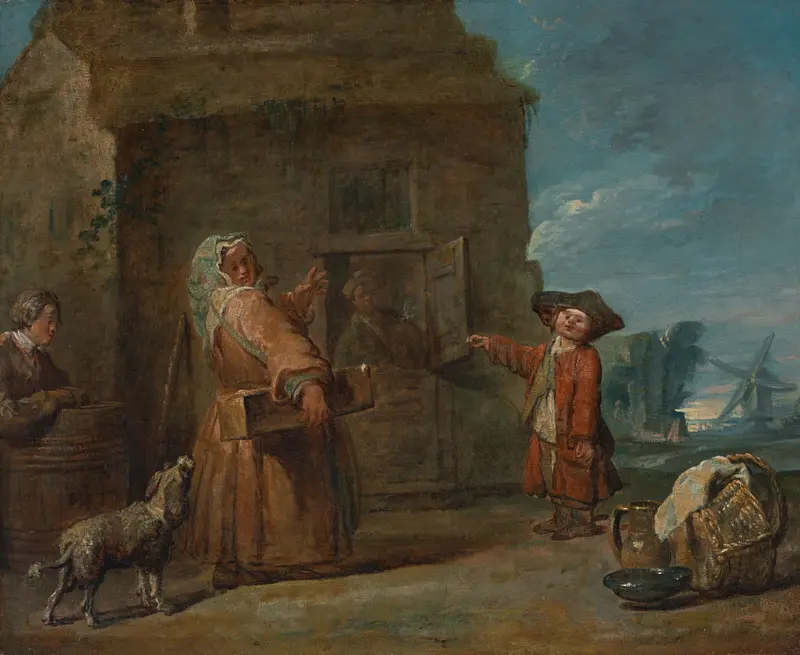
A genre scene, possibly La boïte du prestidigitateur (‘The Conjurer’s Box’)
Jean Siméon Chardin
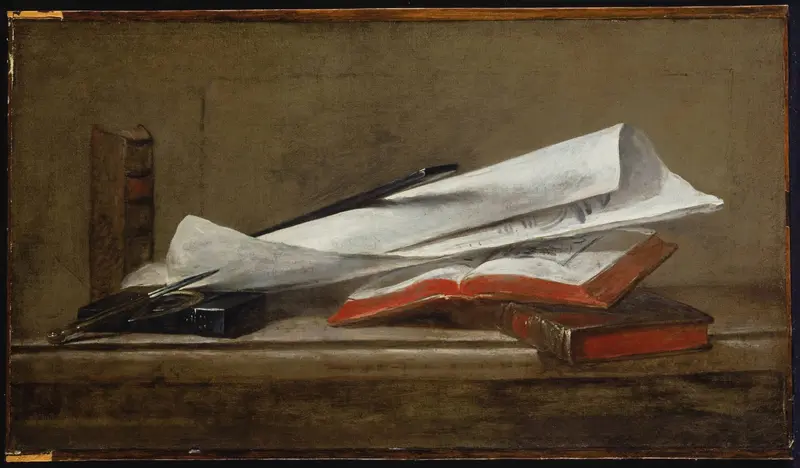
Attributes of the Architect
Jean Siméon Chardin





