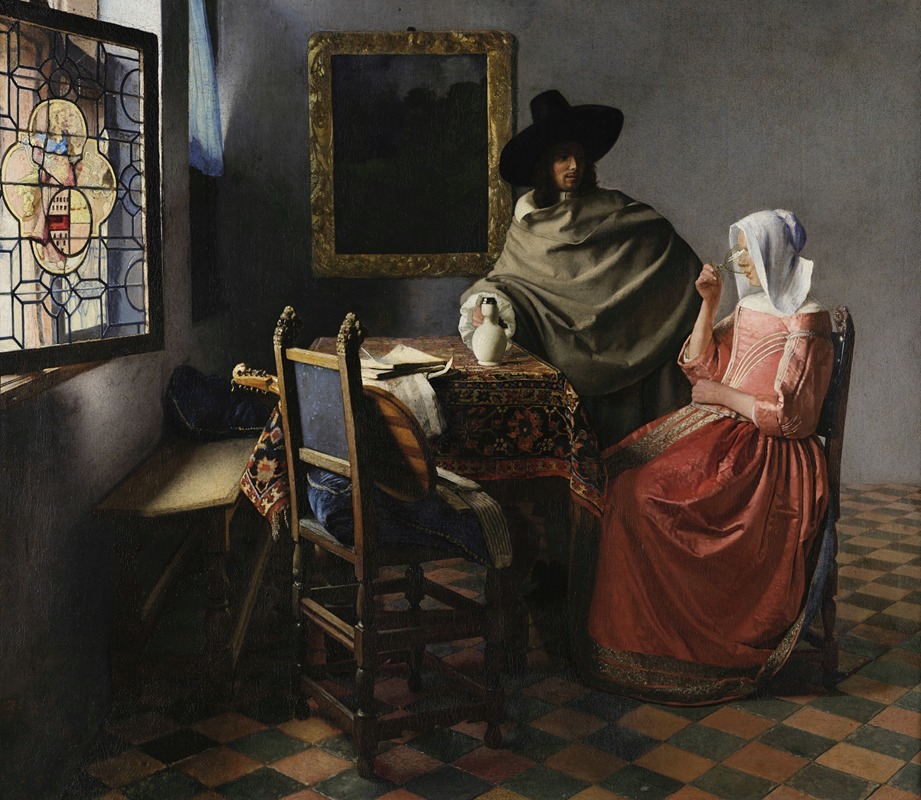
Discover insights about this artwork
Vase with gladioli and China asters — History & Facts
In Vase with gladioli and China asters, Vincent van Gogh presents a vibrant still life filled with colorful flowers. The composition features tall gladioli in shades of pink and white, alongside the delicate China asters in purple and blue. The background is a soft, muted color that enhances the brightness of the flowers.
This lively arrangement draws the viewer's eye and creates a sense of abundance and joy. The painting is executed in oil on canvas, a medium that allows Van Gogh to express his bold brushwork and vivid color palette. The dimensions of the work are approximately 60 x 73 cm, making it a substantial piece that commands attention. Van Gogh's characteristic impasto technique is evident, with thick layers of paint creating texture and depth.
The interplay of light and shadow adds to the dynamic quality of the flowers. Created in the late 1880s, this work reflects Van Gogh's fascination with nature and his desire to capture its beauty. During this period, he was living in France, where he painted many floral still lifes. An interesting fact about this painting is that it showcases Van Gogh's ability to convey emotion through color and form, a hallmark of his Post-Impressionist style.
This piece is part of the collection at the Van Gogh Museum, where it continues to inspire visitors.
More Artworks by Vincent van Gogh
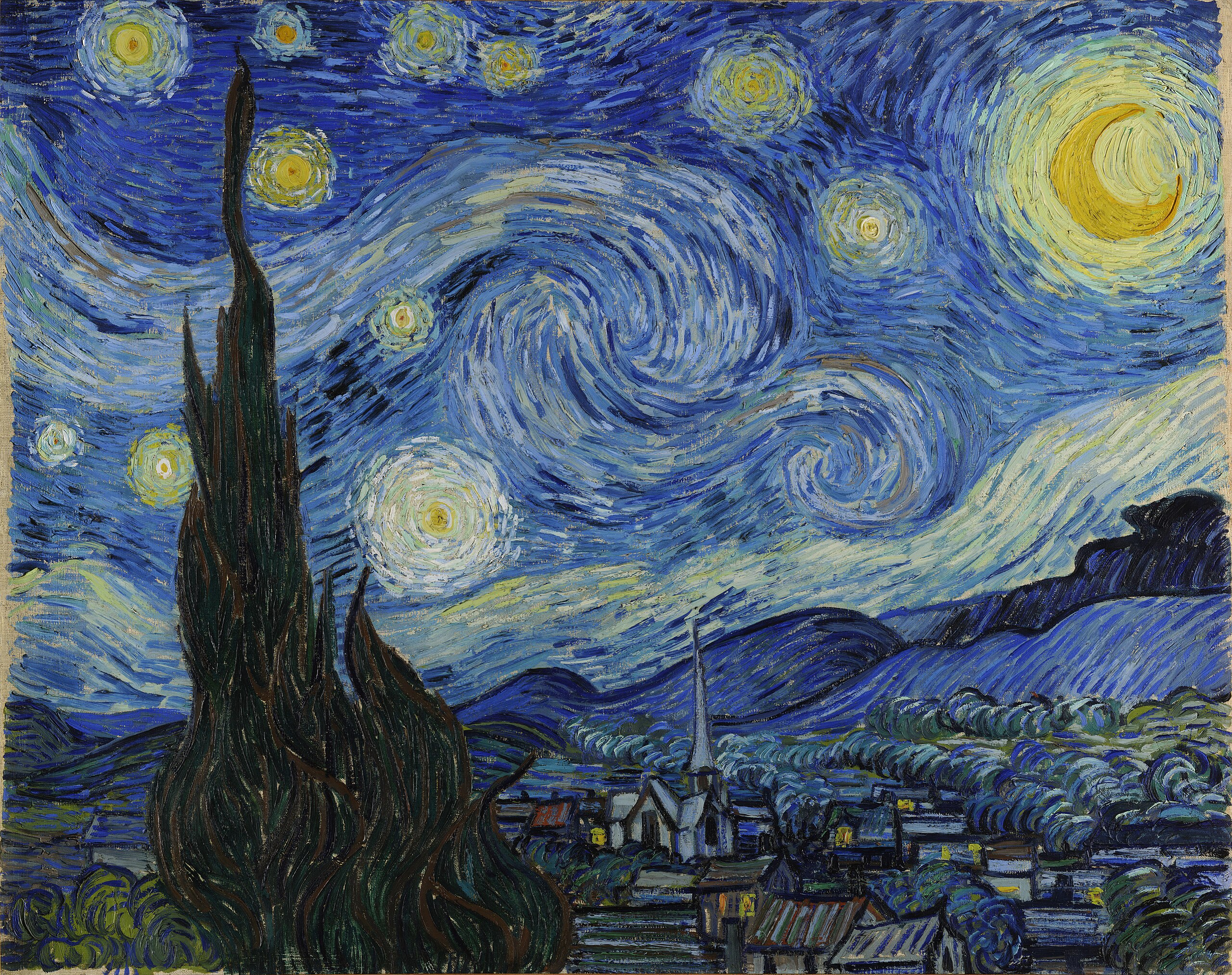
Starry Night
Vincent van Gogh
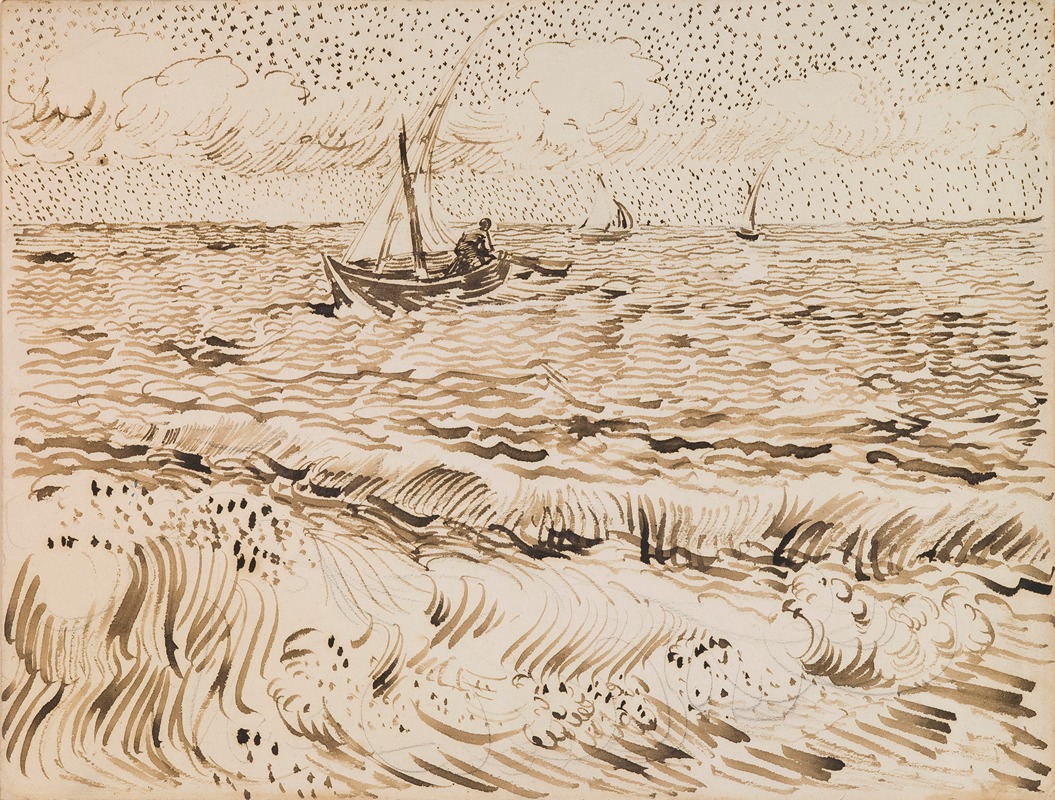
Fishing Boats at Saintes-Maries-de-la-Mer
Vincent van Gogh
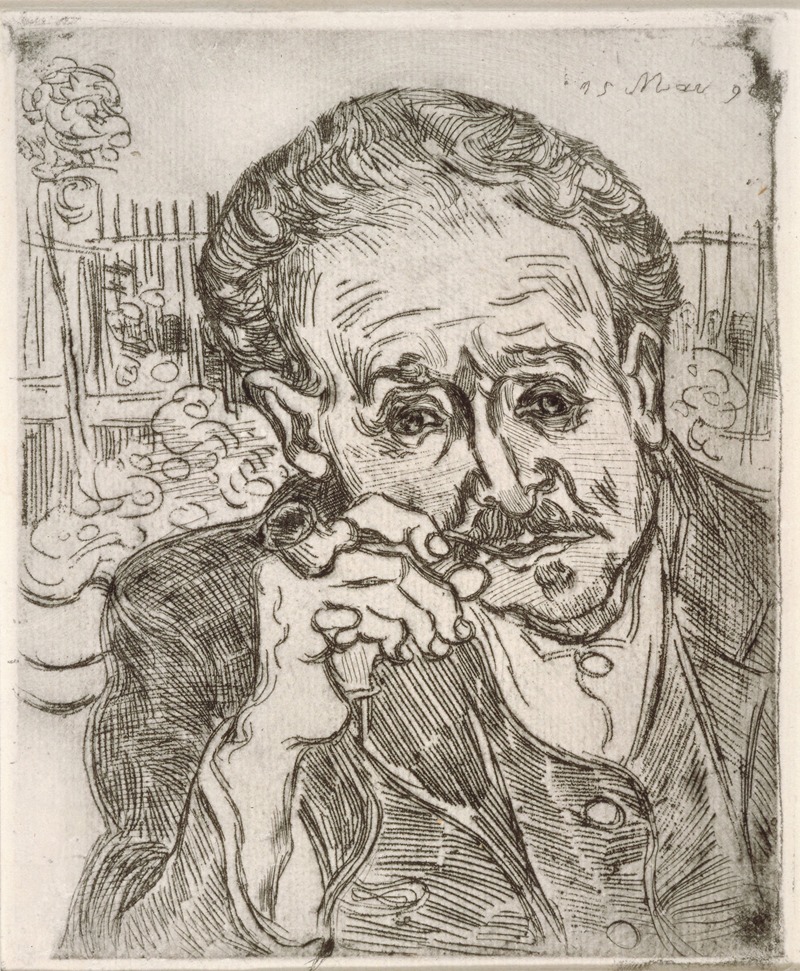
Portrait of Dr. Gachet (Auvers-sur-Oise)
Vincent van Gogh
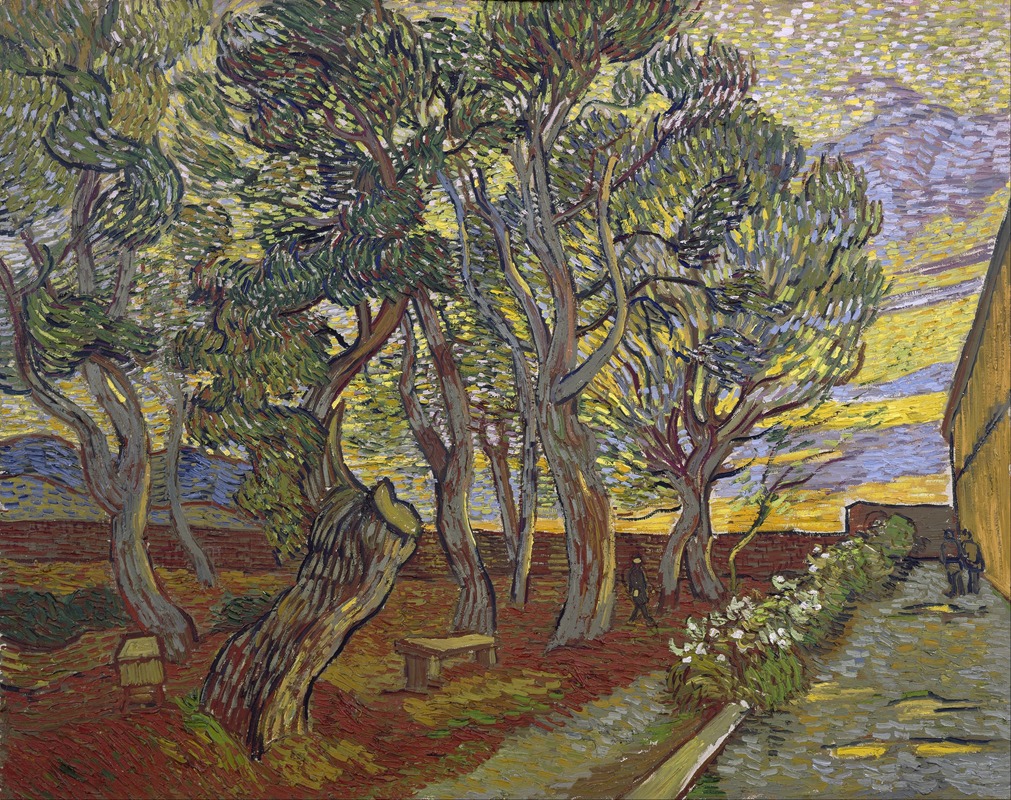
The garden of Saint Paul’s Hospital
Vincent van Gogh
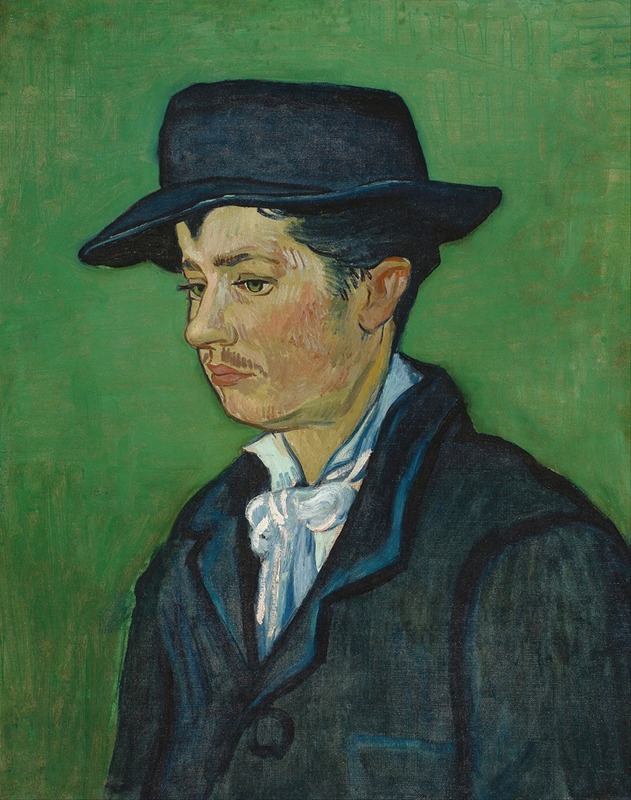
Portrait Of Armand Roulin
Vincent van Gogh
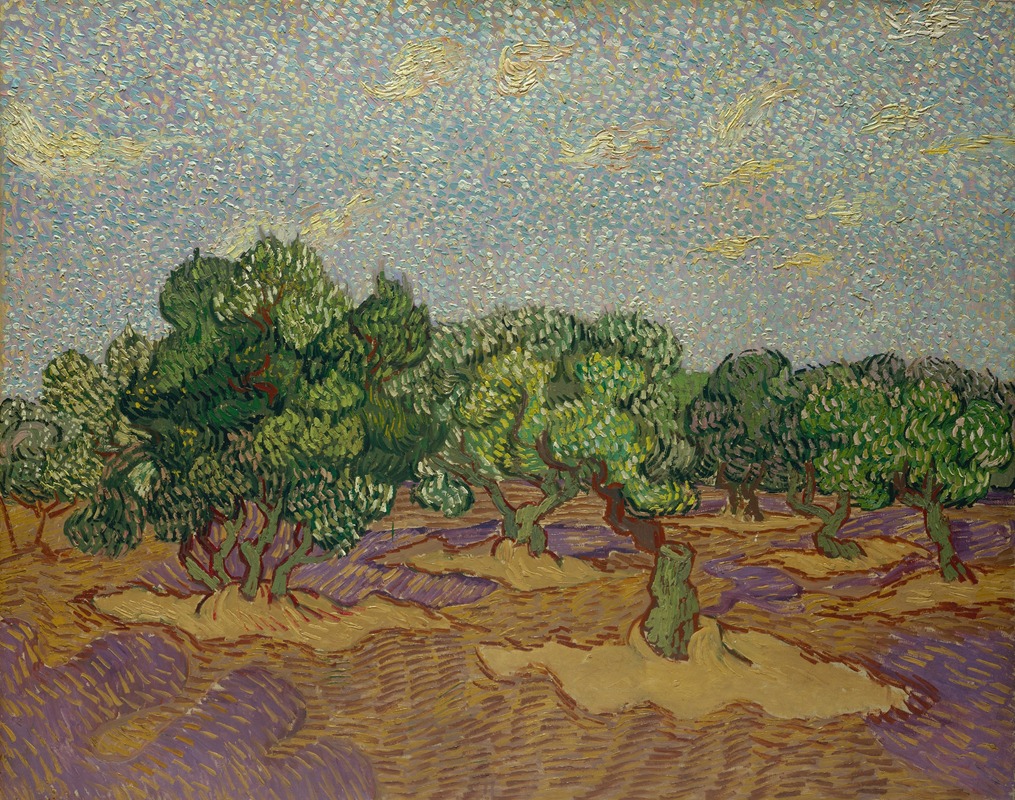
Olive Trees
Vincent van Gogh
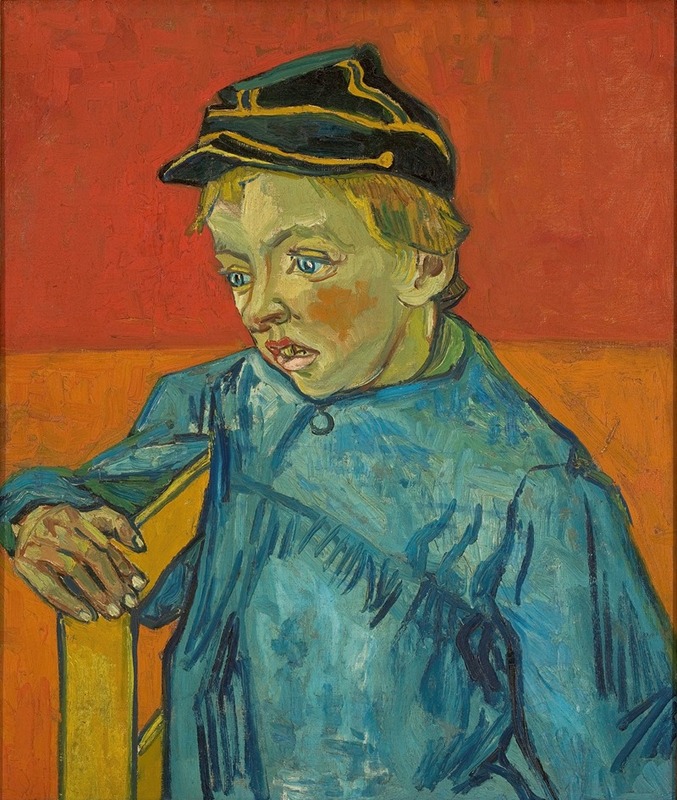
The Schoolboy (Camille Roulin)
Vincent van Gogh
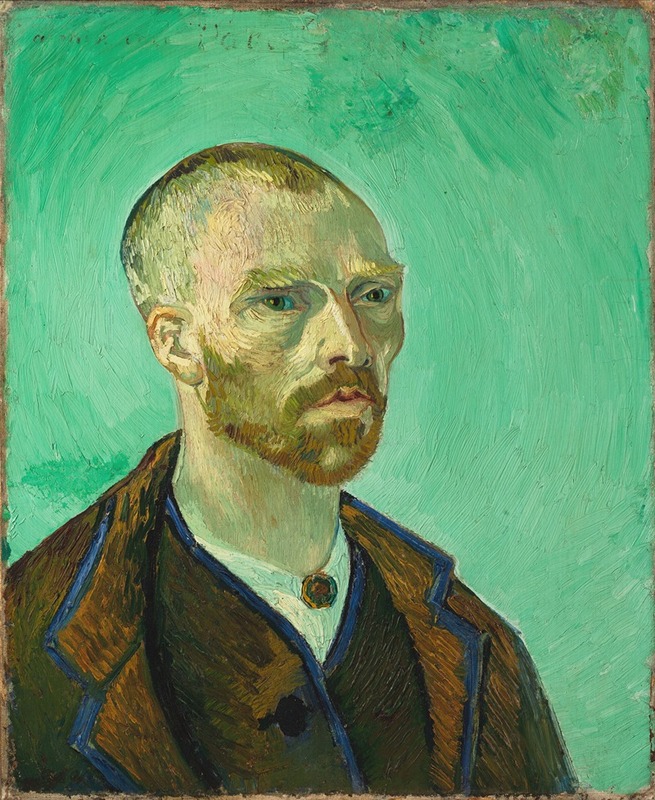
Self Portrait (dedicated to Paul Gauguin)
Vincent van Gogh
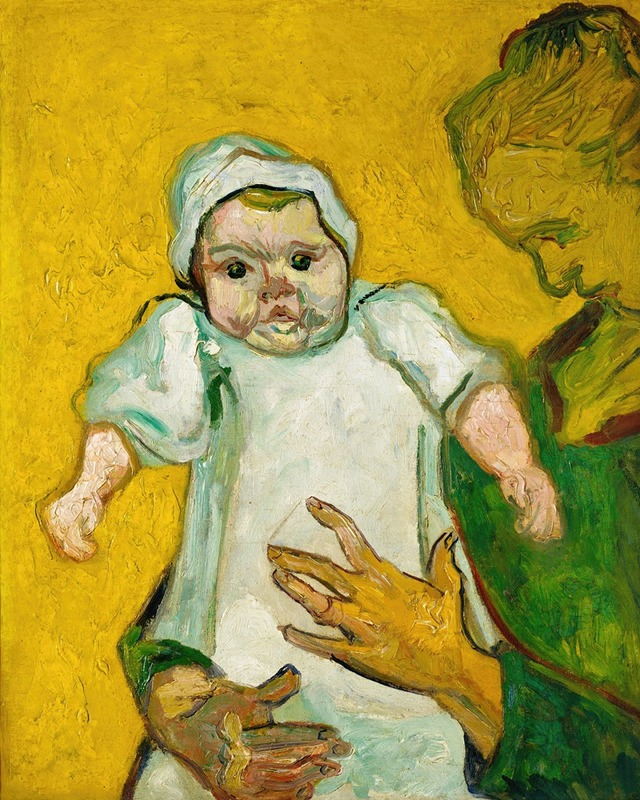
Madame Roulin and Her Baby
Vincent van Gogh
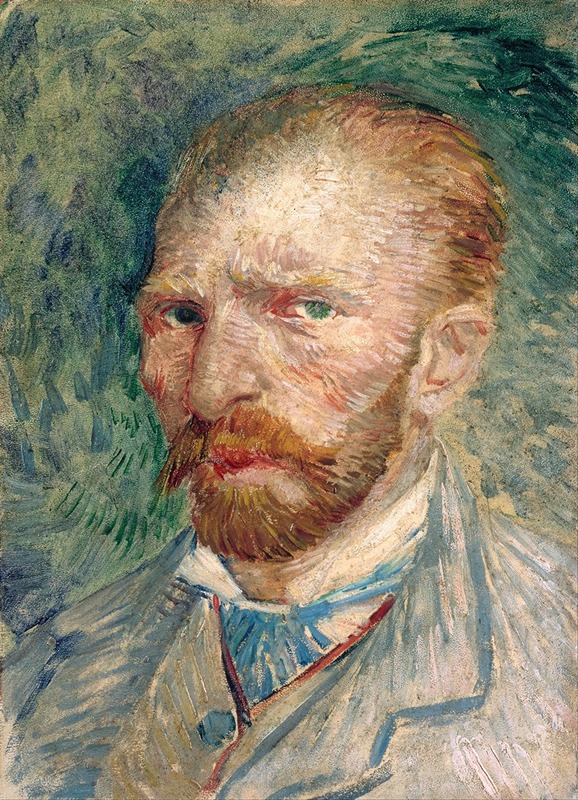
Self-Portrait
Vincent van Gogh