Ragpicker’s Shop, Florence — History & Facts
Who listens when art speaks of silence? In the dim light of a neglected corner, a ragpicker's world unfolds, whispering stories that linger beyond the visible. Look to the left where shadows deepen, revealing a cluttered assortment of discarded fabrics and forgotten treasures. The artist employs muted earth tones, evoking an atmosphere of melancholy, while a subtle play of light dances across the textures—each wrinkle and crease enhancing the tactile sense of the scene. Notice how the ragpicker’s figure is almost lost amid the chaos, a testament to both anonymity and resilience, as if the surroundings are an extension of his very being. Beneath the surface, Ragpicker’s Shop is a meditation on societal neglect and the beauty found in the overlooked.
The juxtaposition of the ragpicker's quiet dignity against the backdrop of abandonment speaks volumes about human perseverance. Each piece of fabric hints at a backstory, inviting the viewer to reflect on the lives intertwined with these remnants—an interplay between memory and loss that resonates deeply. In 1916, Bertha Jaques found herself in a rapidly changing world, marked by the turmoil of World War I. Living in Florence, then a hub of artistic exploration, she sought to capture the often marginalized figures of society.
This period saw her turning to the lives of those who went unnoticed, reflecting a growing awareness of the human condition in her work, and establishing her voice amid the shifting tides of modern art.
More Artworks by Bertha Jaques
Browse all →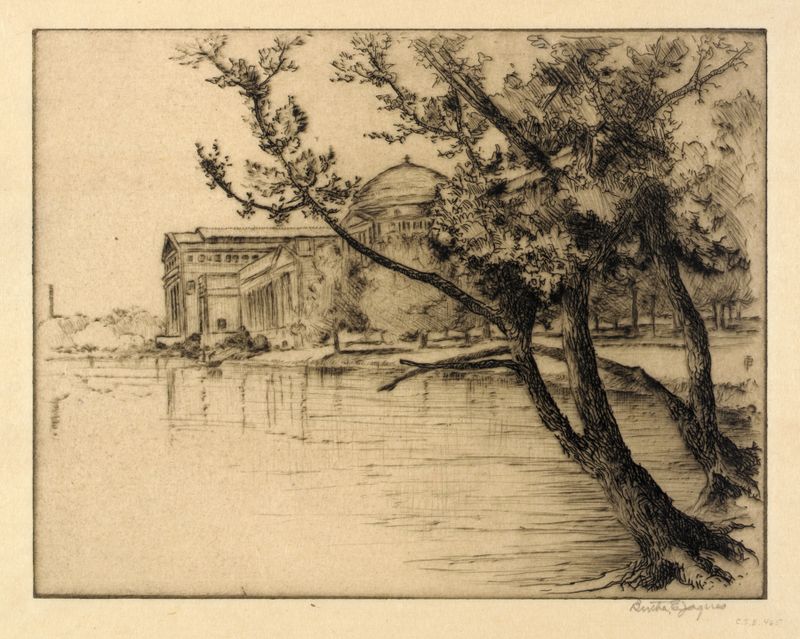
Fine Arts Building, Looking West
Bertha Jaques

Columns, Roman Forum
Bertha Jaques

Tower Bridge, Thames, London
Bertha Jaques

Fine Arts Building, Chicago (Facade, West)
Bertha Jaques
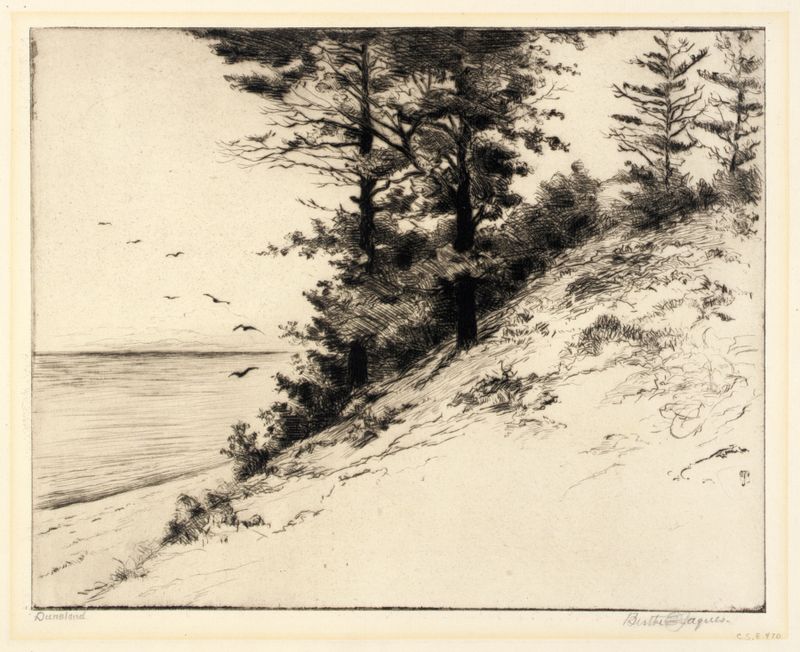
Duneland
Bertha Jaques
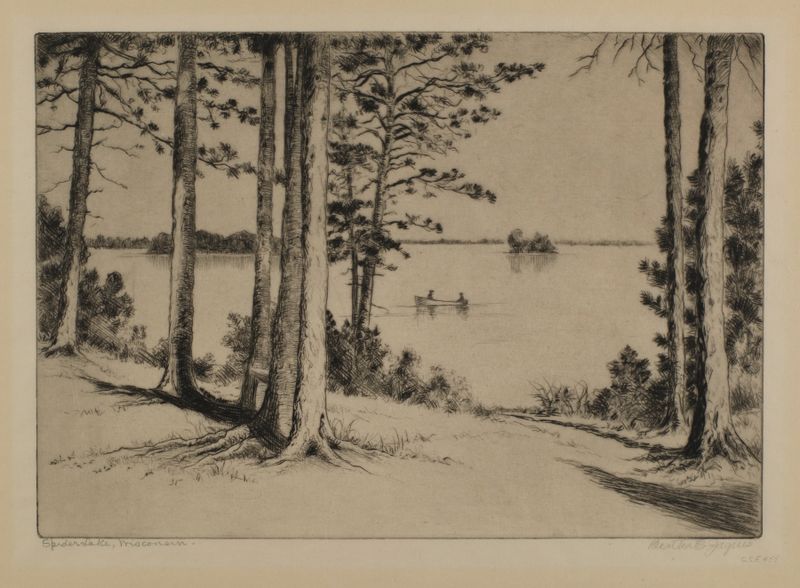
Spider Lake, Wisconsin
Bertha Jaques
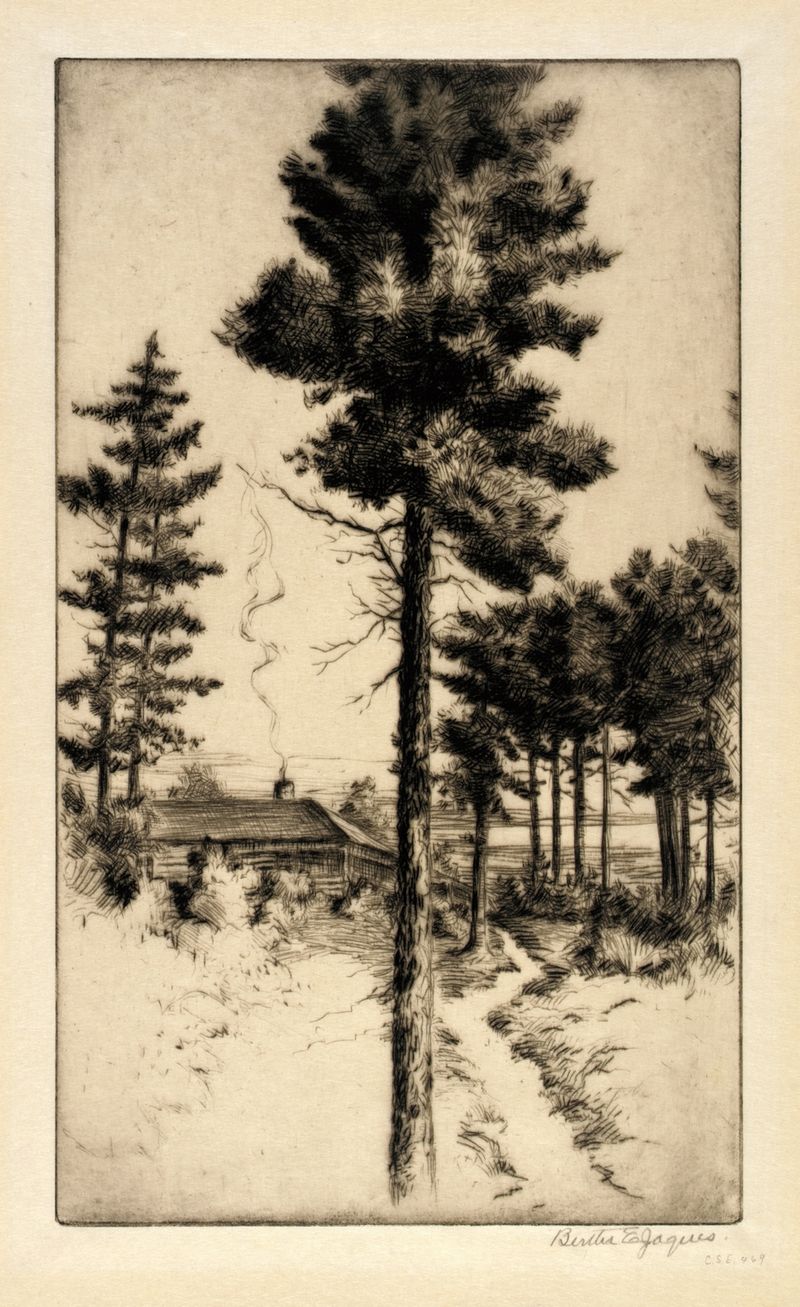
Cabin in Wilderness
Bertha Jaques
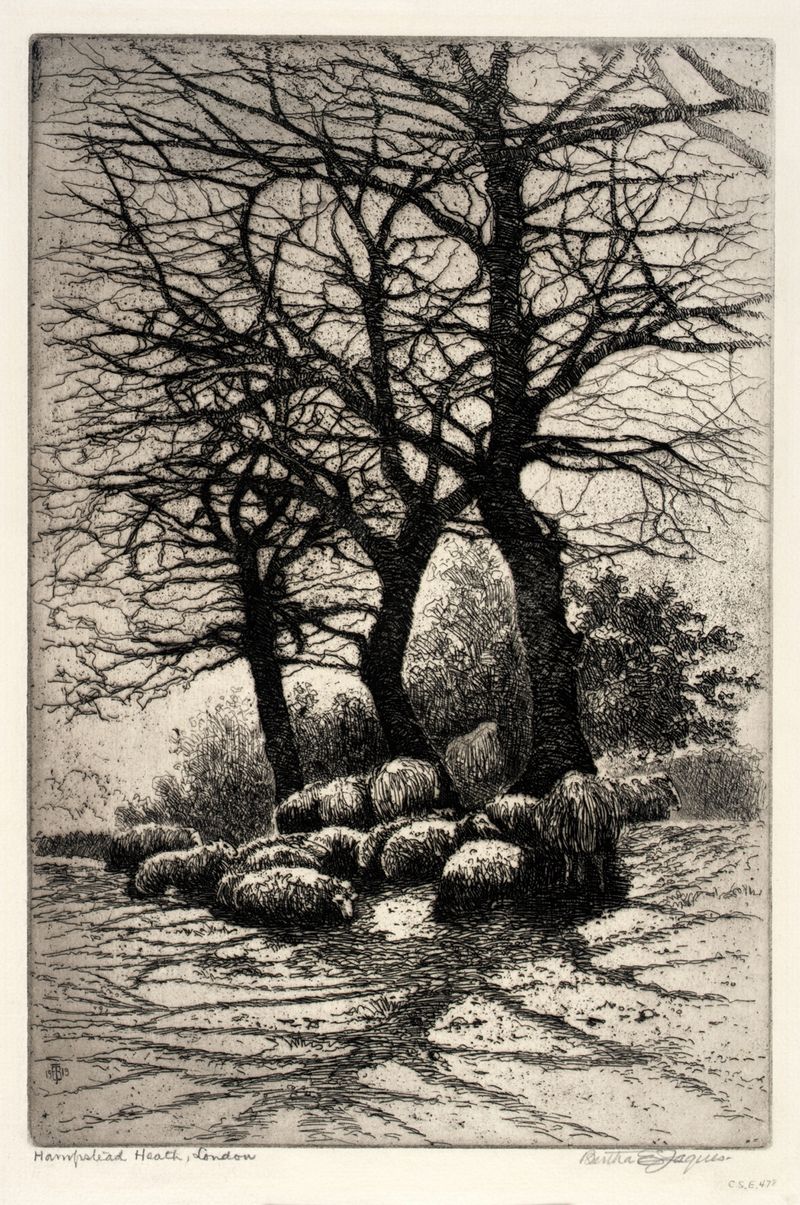
Hampstead Heath, London
Bertha Jaques
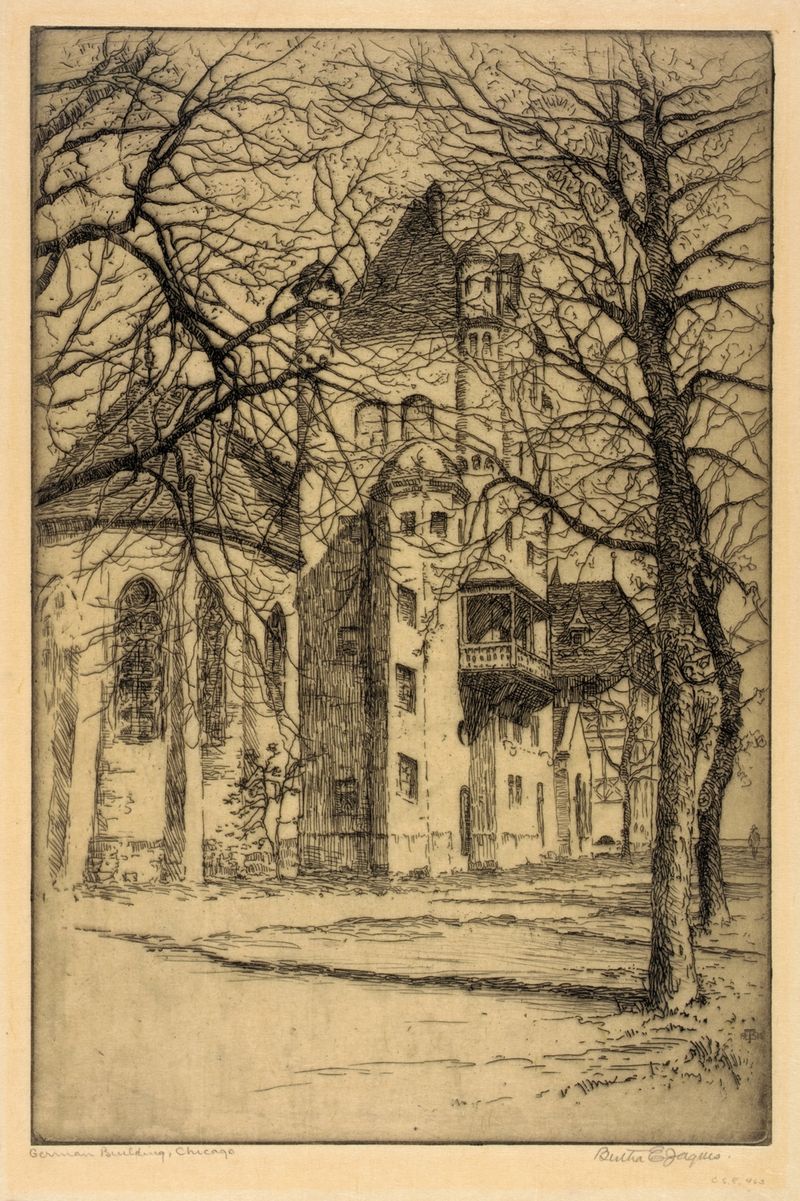
German Building, Chicago
Bertha Jaques

Roman Forum
Bertha Jaques