Rappolstein — History & Facts
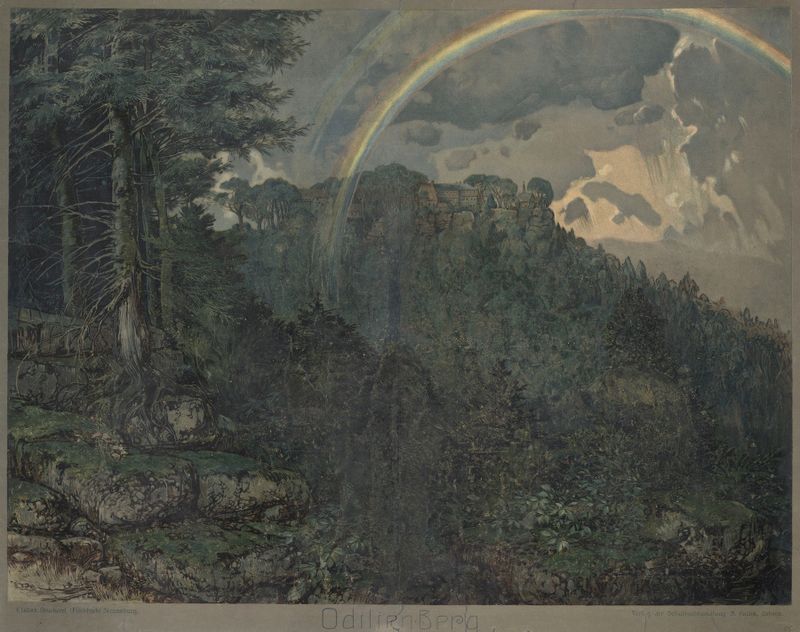
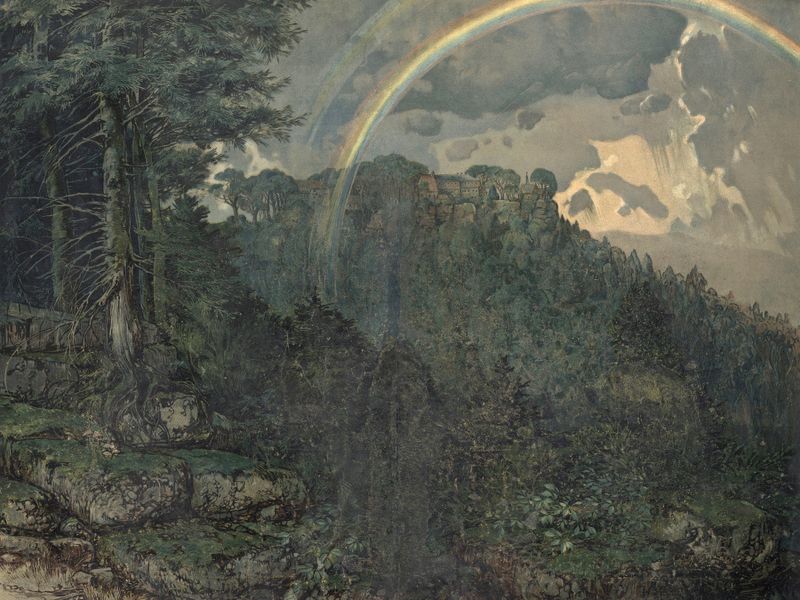
What if silence could speak through light? In Rappolstein, the ethereal play of illumination invites viewers to consider the delicate balance between reality and illusion. Here, the shimmering strokes create a poetic dialogue that transcends the confines of the canvas, urging us to explore what lies beyond our perception. Focus your gaze on the luminous center of the composition, where light cascades over the rocky formations. Notice how the artist expertly employs soft pastels that blend seamlessly into one another, evoking a sense of tranquility and mystery.
The textured brushwork draws you deeper into the scene, inviting an exploration of the intricate details concealed within the shadows. Every contour seems to breathe, revealing the nuanced interplay of opacity and transparency that defines this remarkable piece. As you absorb the exquisite hues and shapes, consider the emotional tension woven into this landscape. The juxtaposition of rugged stone against the soft, ethereal glow suggests a conflict between the tangible and the ephemeral.
This duality prompts contemplation of nature’s beauty and fragility, while the resonance of silence in the composition evokes an introspective stillness that lingers in the mind long after viewing. Created in 1902, Rappolstein emerged during a period when Anton Seder was deeply engaged in the Art Nouveau movement, emphasizing organic forms and decorative elements. While residing in Germany, he embraced innovative techniques that blurred the boundaries of traditional painting, mirroring the broader artistic exploration of his era. This work reflects not only his personal journey but also the evolving dialogue within the art world, capturing a moment of transformation and experimentation.