
Odilien Berg — History & Facts
In a world where the surface gleams, the depths often conceal an unsettling void. The juxtaposition of opulence and emptiness can be both alluring and haunting. Look to the center of the composition, where a striking figure captures the eye. Every detail of the figure's adornment, from the intricate patterns of the gown to the delicate wisps of hair, draws you in, yet the expression reveals a certain melancholy.
Notice how the light dances across the gold highlights, illuminating parts of the figure while casting shadows that hint at the unseen burdens she bears. The rich palette evokes a sense of grandeur, yet this splendor feels tinged with an underlying tension that beckons further exploration. Within the composition, the tension between beauty and despair is palpable. The figure’s poised elegance contrasts starkly with the emptiness in her gaze, suggesting a deeper psychological narrative.
The gold accents may symbolize wealth and prosperity but are also reminiscent of gilded cages, trapping the soul. This dialogue between surface beauty and inner turmoil invites viewers to question the true cost of such elegance. In the 19th century, Anton Seder painted Odilien Berg amid a rapidly evolving art scene, marked by the rise of symbolism and the exploration of emotional themes. At this time, artists began to delve deeper into the psychological complexities of the human experience, moving away from mere representation.
Seder's work reflects this shift, as he sought to capture the interplay of beauty and pain, offering a poignant commentary on the human condition.
More Artworks by Anton Seder
Browse all →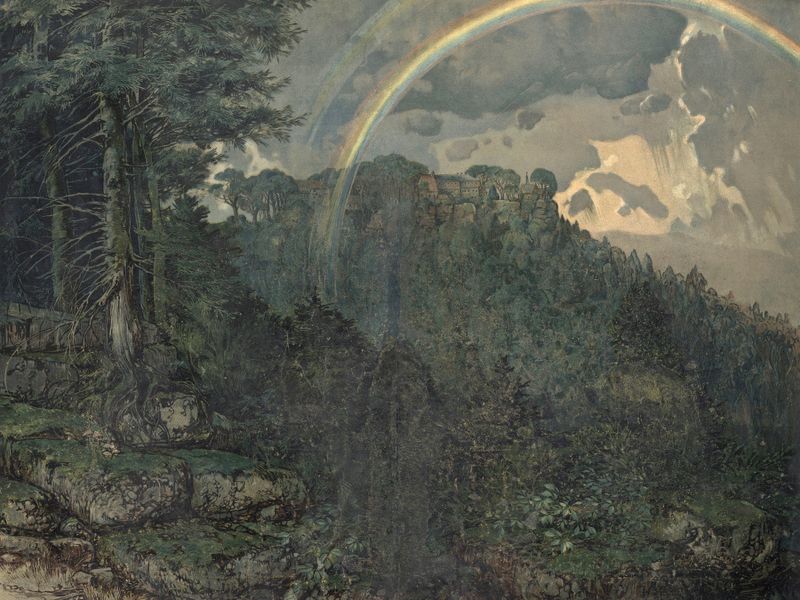
More Portrait Art
Browse all →
Las meninas
Diego Velázquez

Self-portrait with a Bandaged Ear and Pipe
Unidentified artist

Girl with a Pearl Earring
Johannes Vermeer

The Sampling Officials of the Amsterdam Drapers’ Guild, Known as ‘The Syndics’
Rembrandt van Rijn

The Hundred Guilder Print: the man seen on the back in the lower left corner
Rembrandt van Rijn

Portrait of Dr Gachet
Vincent van Gogh