Reduta Piłsudzkiego — History & Facts
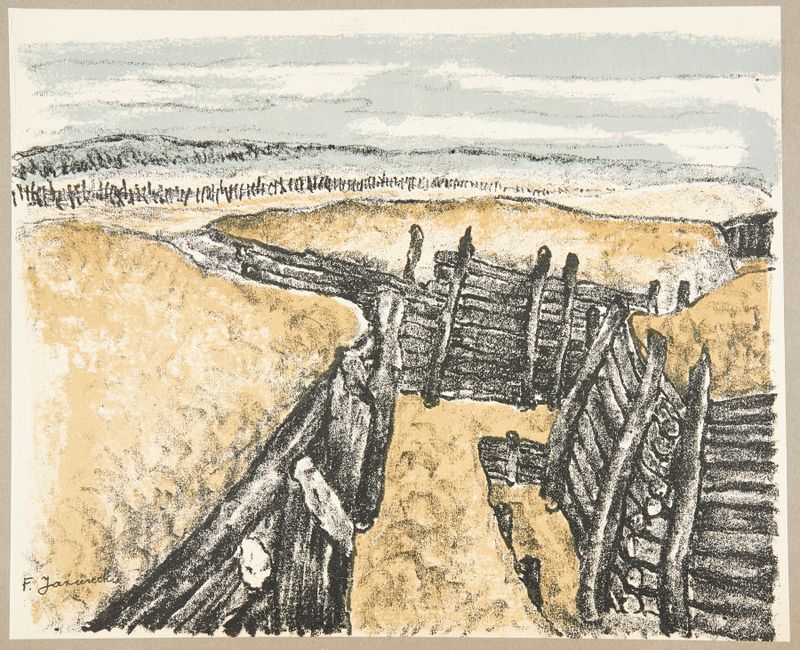
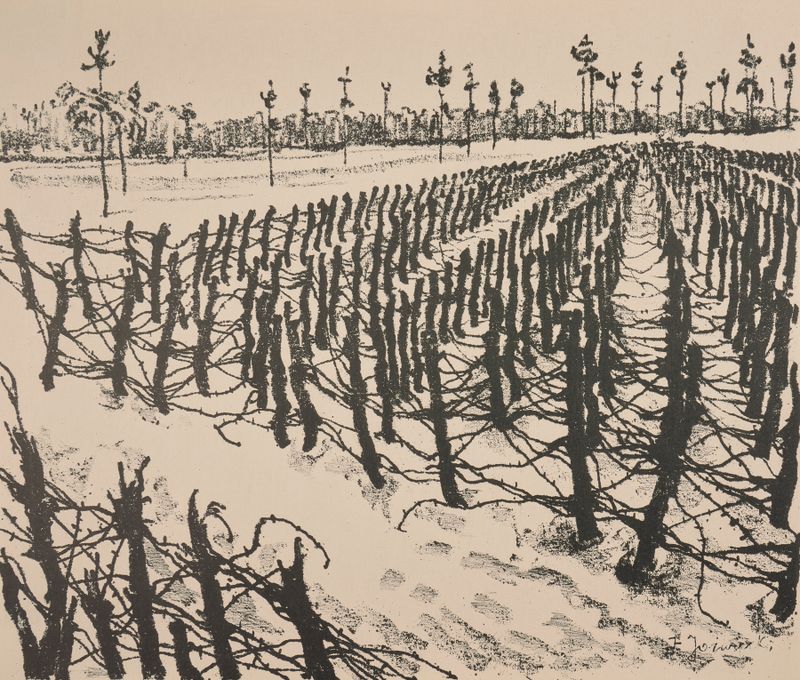
In the act of creation, we find ecstasy, a fleeting moment suspended between memory and imagination. Focus on the vibrant reds that dominate the canvas, radiating warmth and intensity. Look to the center, where a dynamic swirl of figures and shapes converge, capturing the essence of life at its most exuberant. Notice how the bold strokes and layered textures create a sense of movement, as if the scene vibrates with energy.
The contrasting colors — deep blacks and luminous whites — draw your eye, echoing the tumult of human emotion and experience. Deeper still, the piece invites contemplation on the interplay of joy and chaos. The faces of the figures display a spectrum of expressions, from elation to melancholy, suggesting a collective memory of celebration intertwined with loss. The frenetic brushwork hints at the tumultuous world outside the canvas, perhaps a reflection of the societal tensions of the time.
It embodies a yearning to grasp fleeting happiness amid uncertainty, a profound commentary on the human condition. In 1937, when this work was created, the artist was navigating the complexities of interwar Poland, a time marked by political strife and cultural renaissance. Jaźwiecki immersed himself in the vibrant discussions of modernism that were reshaping European art. He sought to capture not just the visual but the emotional landscape of his time, bridging the past with the emerging future, a task that resonates through Reduta Piłsudzkiego.