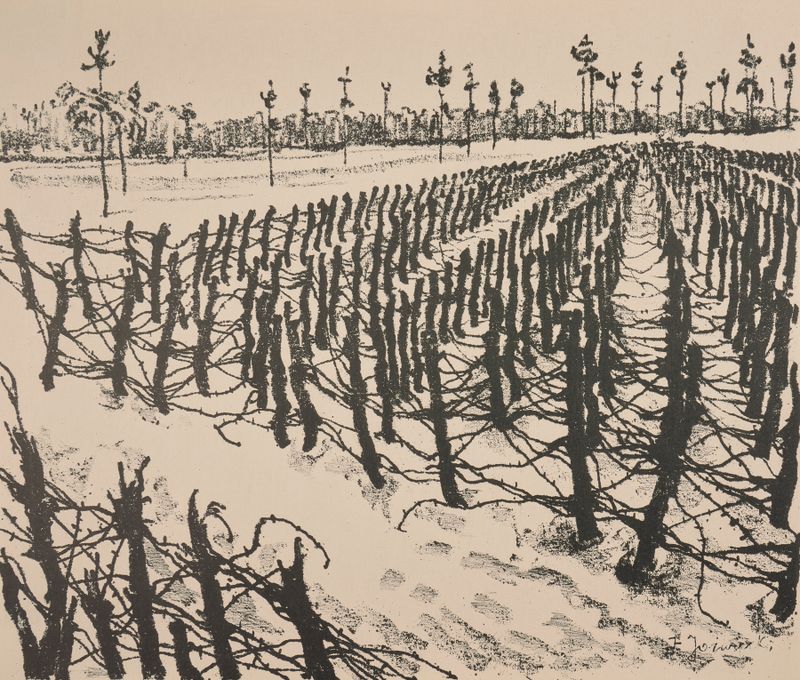
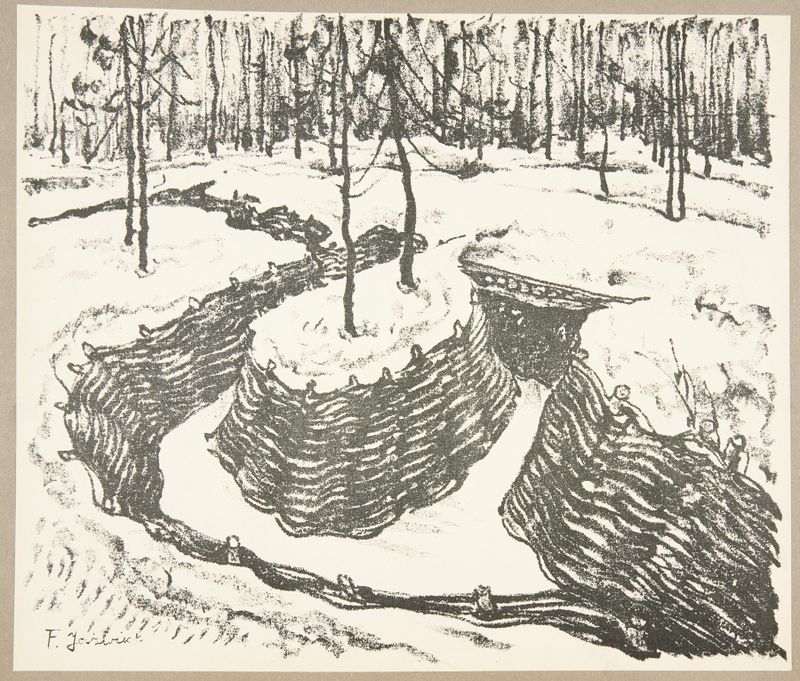
Okop na Polskiej Górze — History & Facts
What if beauty was never meant to be finished? In the realm of art, time becomes a canvas itself, revealing the tenuous dance between life and decay. Focus on the rich earth tones that cascade across the canvas, drawing your gaze first to the foreground, where the raw material of life intertwines with the relentless passage of time. Notice how the rugged texture of the soil is juxtaposed against the delicate blooms that dare to rise from it, capturing a fleeting moment of beauty. The brushstrokes, both deliberate and spontaneous, create an organic rhythm that compels you to linger, to explore the tension between the vibrant blooms and the darker, looming shadows of what lies ahead. Herein lies a poignant reflection on mortality and existence.
The juxtaposition of blooming flowers against a soil that hints at decay speaks to the transient nature of beauty. As the viewer, you are invited to confront the inevitable cycle of life and death, and the emotional weight it carries. Each petal is a reminder of vibrancy, yet the encroaching earth signifies the harsh truth that all life is temporary, urging one to cherish the fleeting moments. Painted in 1937, this work emerged during a tumultuous time in Europe, as the world stood on the brink of profound change.
Jaźwiecki, grappling with personal and societal upheaval, channeled his observations of the natural world into a meditation on life's fragility. This piece captures not only his artistic prowess but also the broader anxieties of a generation facing an uncertain future.