
Reichenbach Chûte inférieure — History & Facts
In the intricate dance of shadows and light, reflections hold a power that often belies the truth beneath their shimmering surface. Look to the center of the composition, where the cascading water reveals a tapestry of deep blues and greens, contrasting with the glimmers of sunlight that kiss its surface. Notice how the artist employs a fluid brushstroke, capturing the movement of water as it tumbles down the rocks. The golden hues interspersed throughout suggest an interplay of warmth and cold, inviting the viewer to delve deeper into the emotional landscape presented. Peering closer, one can discern the subtle tension between vitality and melancholy.
The relentless flow of the waterfall embodies the passage of time, while the jagged edges of the rocks signify resistance and struggle. Each droplet reflects not only the landscape around it but also hints at the unseen burdens that exist beneath the serene façade—reminding us that beauty is often entwined with heartache. In the years leading to the creation of this piece, Jacottet was immersed in the rich tradition of Swiss landscape painting, influenced by both naturalism and Romanticism. The work, crafted in a period of personal exploration, reflects his engagement with the sublime aspects of nature while navigating the broader artistic movements of the late 19th century.
Art, at this time, was evolving, and artists like him sought to capture the emotional resonance of their surroundings, revealing deeper truths through vibrant expression.
More Artworks by Jean Jacottet
Browse all →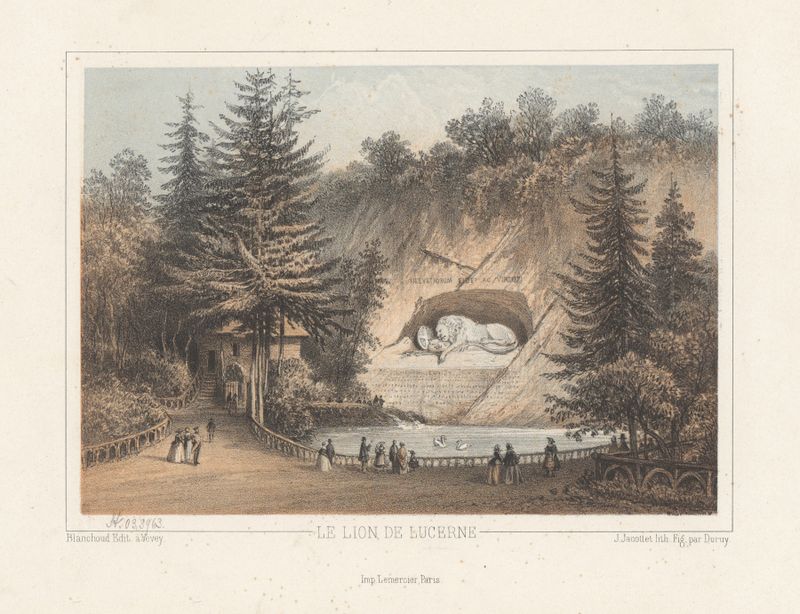
Le lion de Lucerne
Jean Jacottet
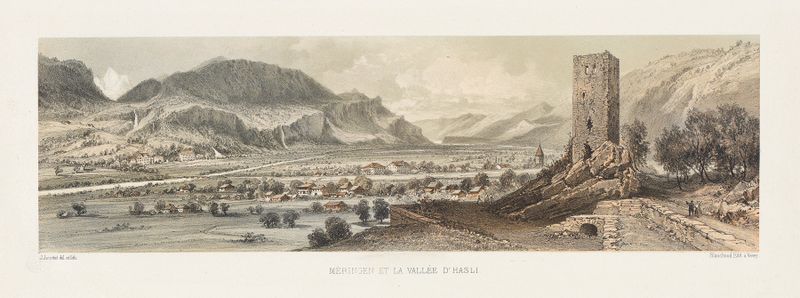
Méringen et la vallée d’Hasli
Jean Jacottet
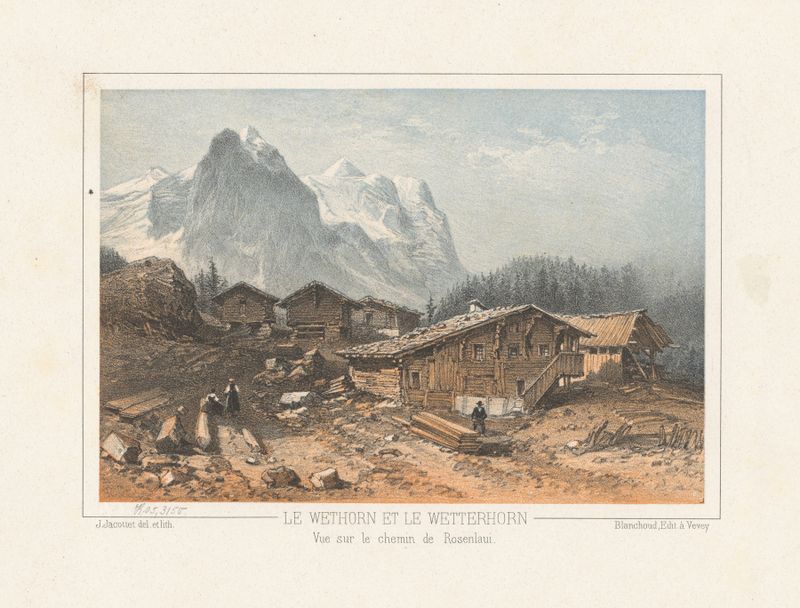
Le Wethorn et le Wetterhorn Vue sur le chemin de Rosenlaui
Jean Jacottet
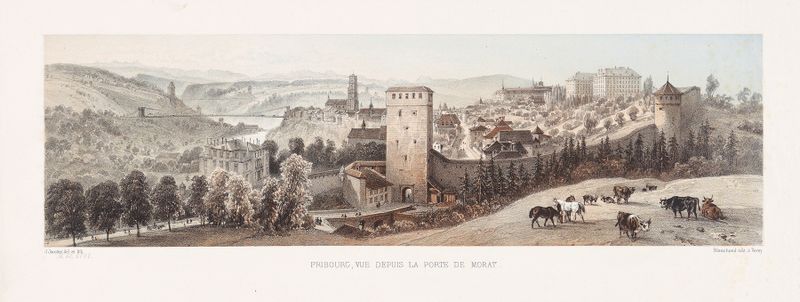
Fribourg, vue depuis la porte de Morat
Jean Jacottet
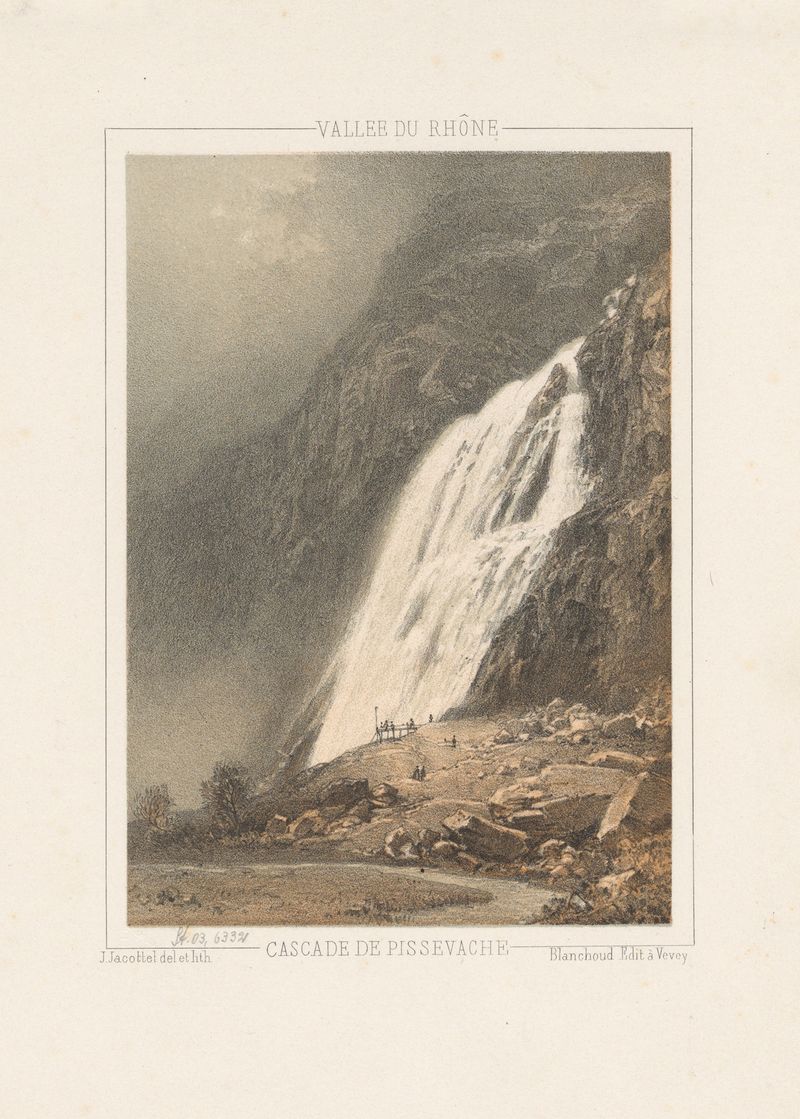
Cascade de Pissevache
Jean Jacottet
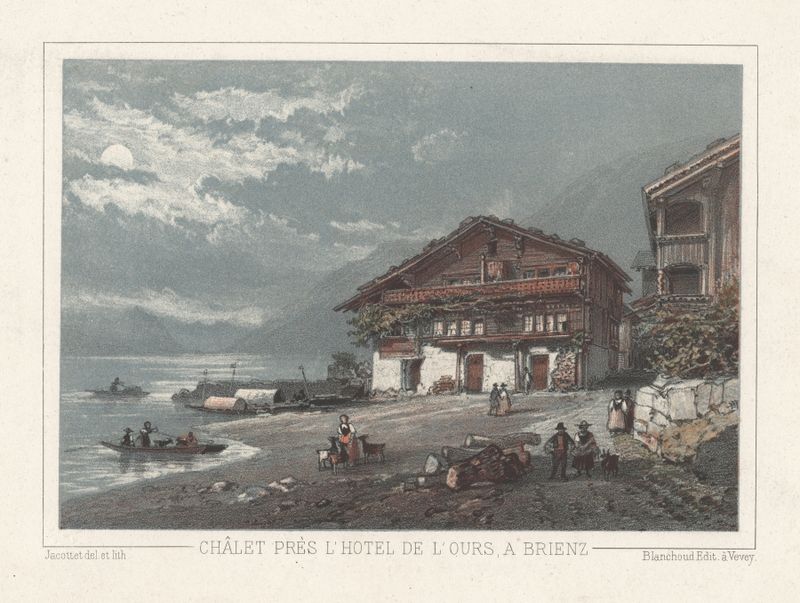
Châlet près l’Hotel de l’Ours, a Brienz
Jean Jacottet
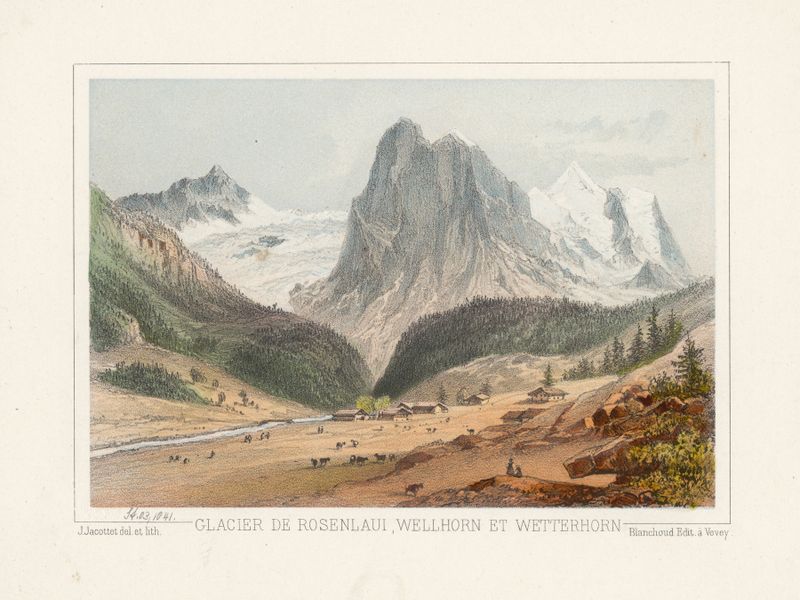
Glacier de Rosenlaui, Wellhorn et Wetterhorn
Jean Jacottet
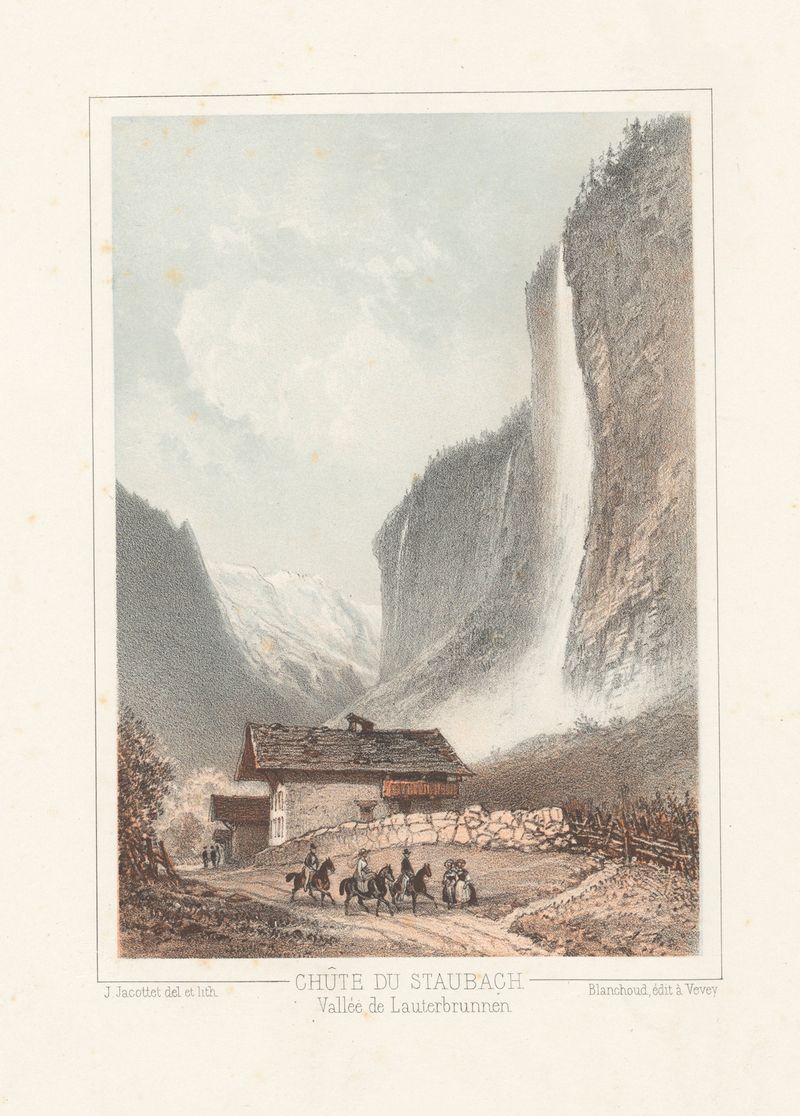
Chûte du Staubach Vallée de Lauterbrunnen
Jean Jacottet
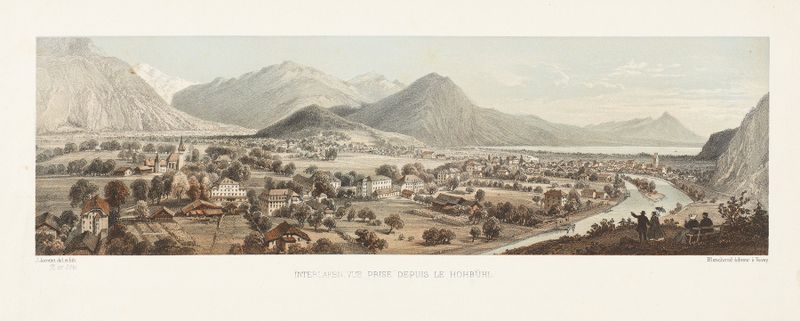
Interlaken, vue prise depuis le Hohbühl
Jean Jacottet
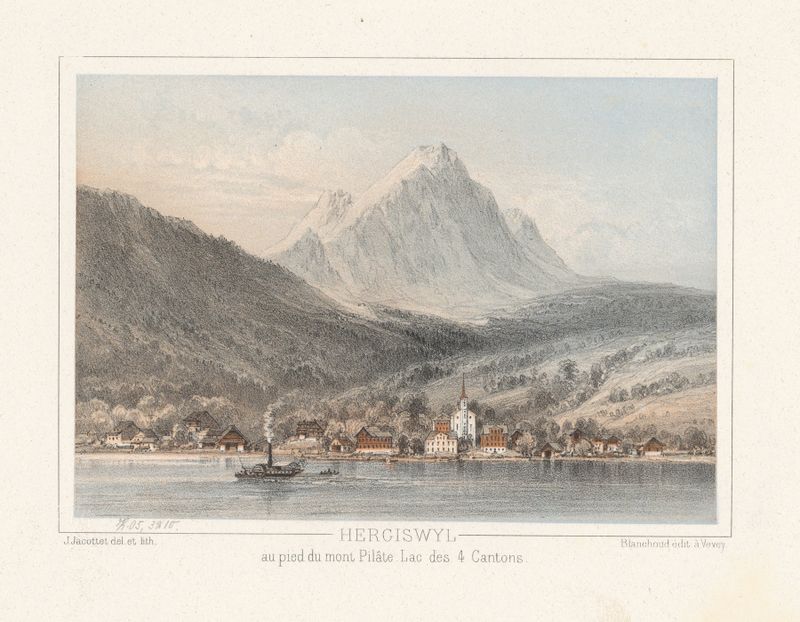
Hergiswyl au pied du mont Pilâte. Lac des 4 Cantons
Jean Jacottet





