
Reiter in Gebirgslandschaft (Benediktenwand) — History & Facts
When did color learn to lie? In the world of art, hues carry stories that can both illuminate and obscure truths. In Reiter in Gebirgslandschaft (Benediktenwand), Otto Strützel captures the essence of rebirth, a moment where nature’s magnificence dances with the unyielding spirit of man. Focus first on the rider, poised atop his horse against the majestic backdrop of the Benediktenwand mountains. The vibrant greens and blues of the landscape ebb and flow, drawing the eye first to the richly textured peaks, where sunlight spills over in gentle gradients.
Note how the interplay of light and shadow animates the scene, giving the impression of a living, breathing environment, while the rider’s confident stance contrasts against the vastness of nature, hinting at both solitude and connection. Within this composition lies a tension between the familiar and the wild. The rider’s posture conveys control, yet his presence is dwarfed by the towering mountains that encircle him, suggesting the fragile balance of human ambition against nature’s eternal grandeur. The vivid color palette not only celebrates the vibrancy of life but also underscores the fleeting nature of such moments—each brushstroke a reminder of the cyclical journey of existence and renewal. In 1909, Strützel painted this piece amidst an era where the art world was becoming increasingly experimental.
Living in Germany during a time of significant political and cultural shifts, he was influenced by the burgeoning movements of modernism, which sought to capture dynamic subjectivity and personal expression. This backdrop shaped his approach, as he endeavored to merge the sublime beauty of nature with the emotional resonance of human experience.
More Artworks by Otto Strützel
Browse all →
A Moor in Spring
Otto Strützel
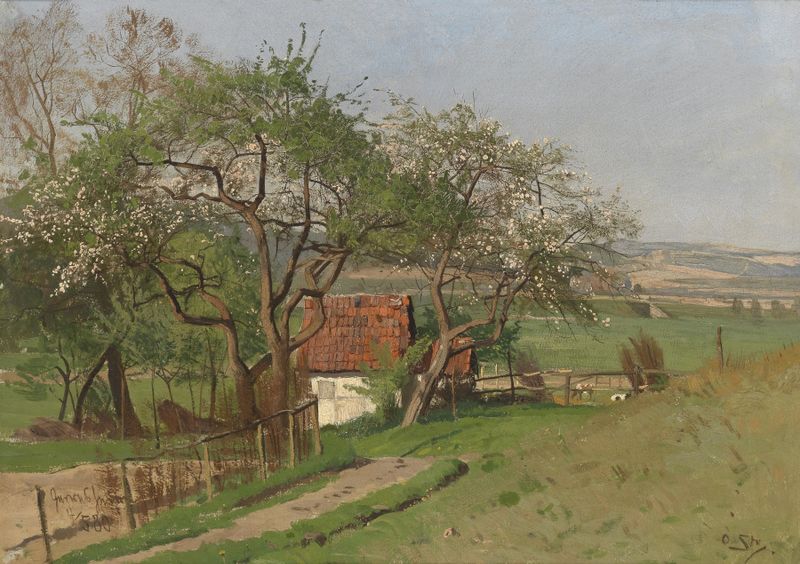
Frühlinglandschaft
Otto Strützel
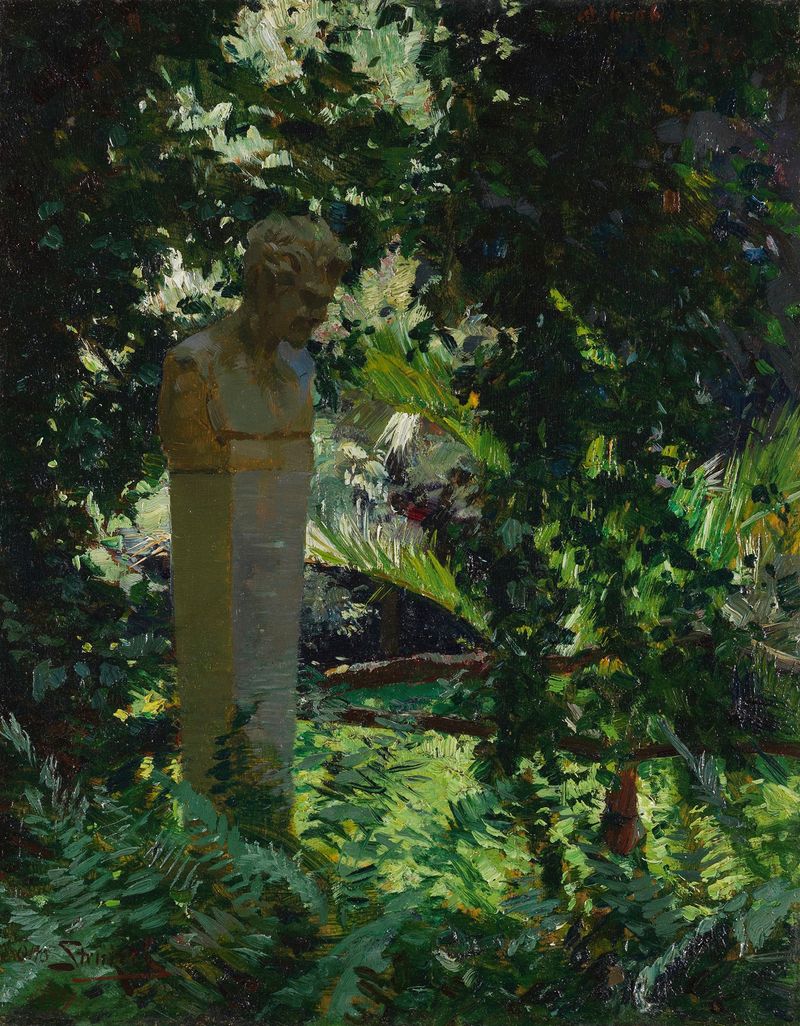
Faun
Otto Strützel

Der Königssee
Otto Strützel

Sommertag an der Küste von Gotland
Otto Strützel
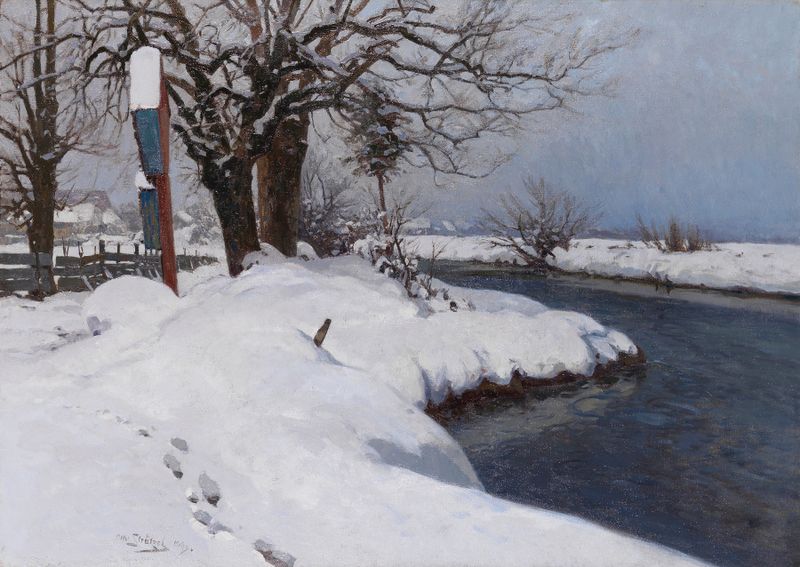
Dachauer Wintertag
Otto Strützel

A Peasant at the Edge of the Woods
Otto Strützel

View of Galtrö. Study
Otto Strützel
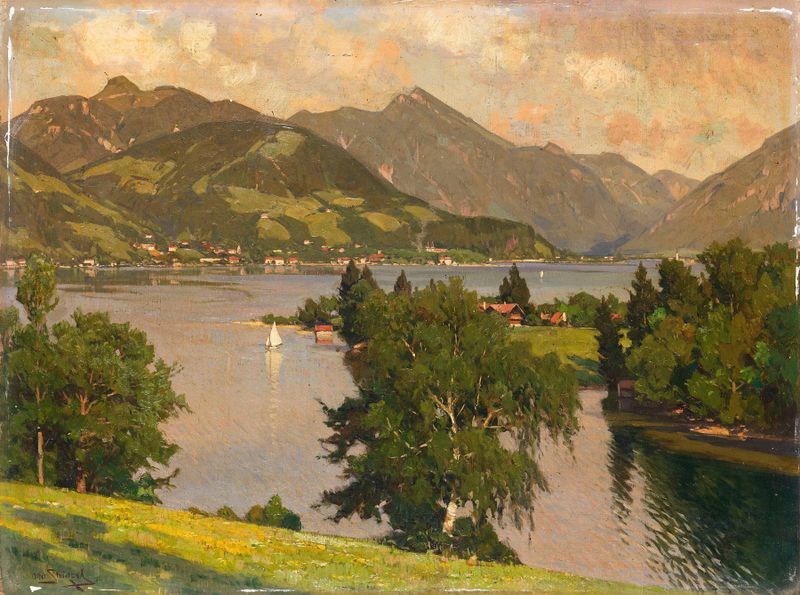
Blick auf den Tegernsee von Westen aus
Otto Strützel

Kühe am Bachufer
Otto Strützel





