
Rembrandt's Daughter — History & Facts
Is this a mirror — or a memory? The delicate interplay of light and shadow in this artwork invites introspection, drawing the viewer into a realm where past and present collide. It whispers of nostalgia and the fleeting nature of existence, evoking a profound connection to the human experience. Look closely at the soft, warm tones enveloping the central figure, illuminating her serene visage. The brushwork is exquisite, with Turner’s characteristic fluidity capturing the essence of light dancing upon the surface, creating an ethereal glow.
Note how the background melts away into a gentle haze, suggesting both presence and absence, while a hint of the world beyond serves as a reminder of the life surrounding her. The juxtaposition of clarity and ambiguity in this piece reveals emotional depths rarely acknowledged. The child's gaze, both innocent and knowing, seems to ponder her lineage, captured in a moment that straddles time itself. The ghostly brushstrokes around her suggest a fleeting memory, a testament to the artist's contemplation of legacy, while the muted colors evoke a bittersweet longing that lingers in the heart. Turner painted this piece in 1827, a period marked by transition in his life and the art world.
He was navigating a personal evolution, grappling with the romantic ideals of beauty while embracing the emerging modernity that beckoned. The work reflects his exploration of light and emotion during a time when he began to redefine his own artistic identity, leaving behind the strictures of tradition in pursuit of a more profound connection to the human condition.
More Artworks by Joseph Mallord William Turner
Browse all →
Dort or Dordrecht- The Dort Packet-Boat from Rotterdam Becalmed
Joseph Mallord William Turner
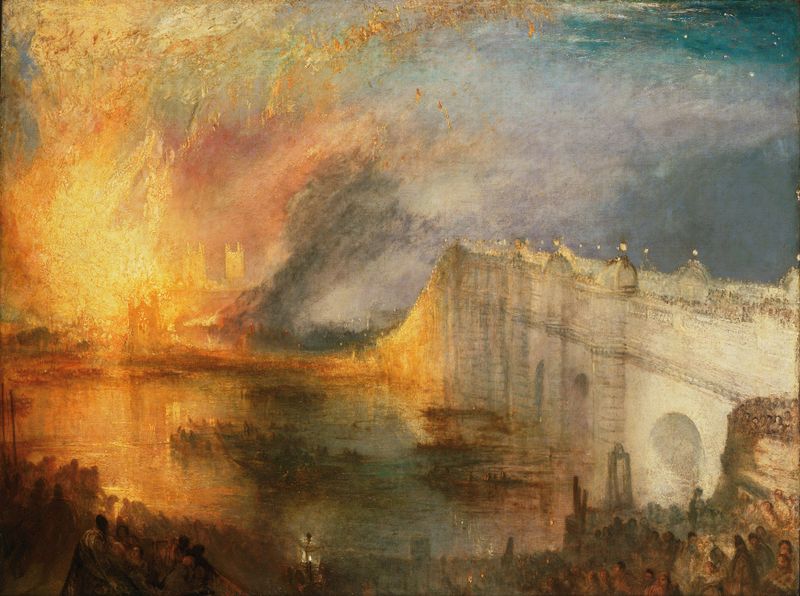
The Burning of the Houses of Lords and Commons, October 16, 1834
Joseph Mallord William Turner
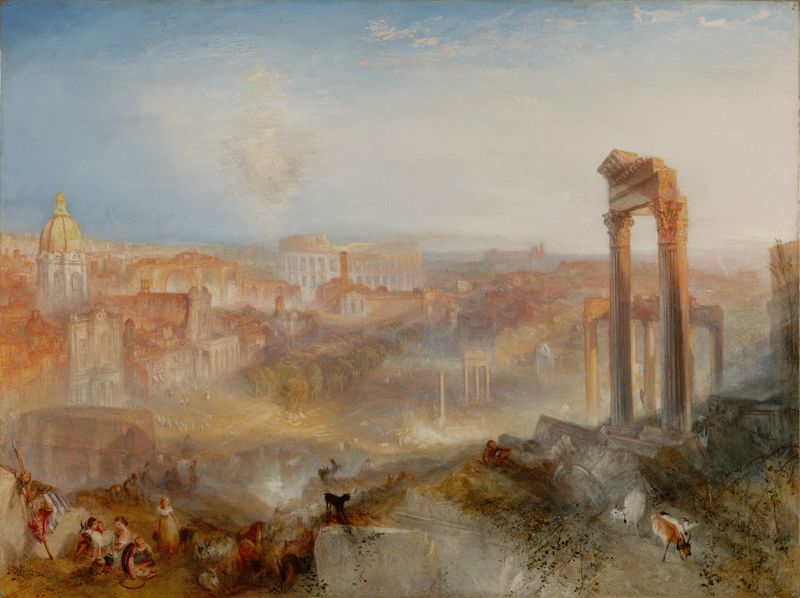
Modern Rome – Campo Vaccino
Joseph Mallord William Turner
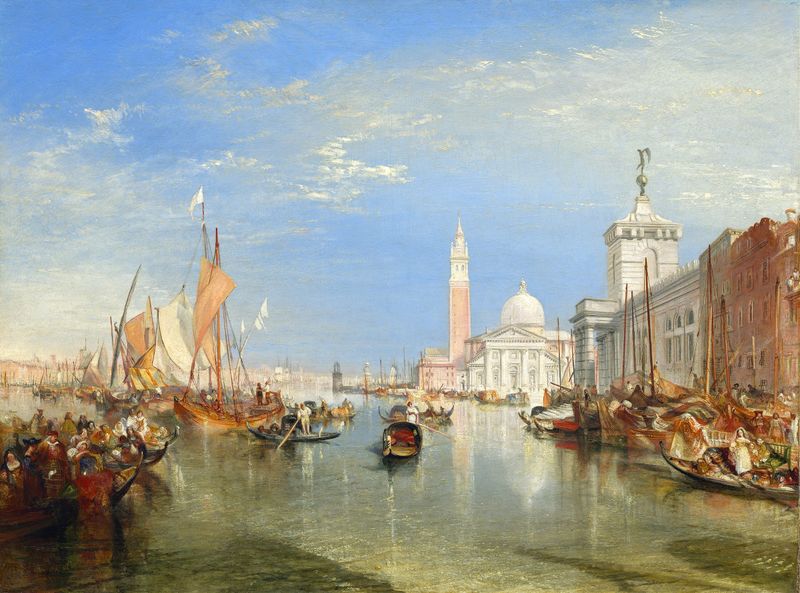
Venice – The Dogana and San Giorgio Maggiore
Joseph Mallord William Turner

The Burning of the Houses of Lords and Commons, 16 October 1834
Joseph Mallord William Turner
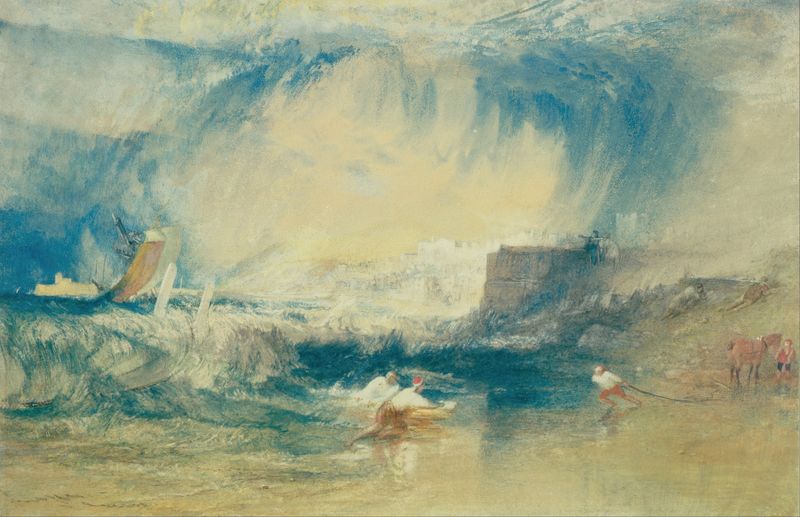
Lyme Regis, Dorsetshire, England
Joseph Mallord William Turner
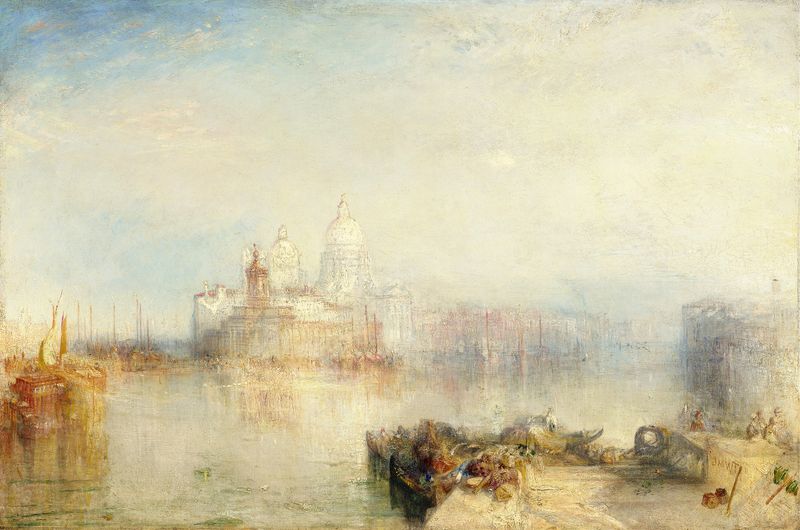
The Dogana and Santa Maria della Salute, Venice
Joseph Mallord William Turner
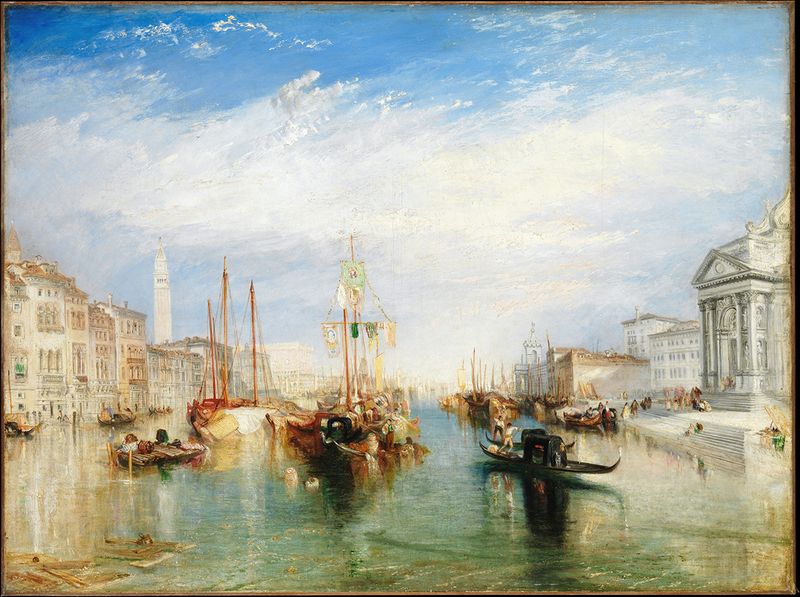
Venice, from the Porch of Madonna della Salute
Joseph Mallord William Turner
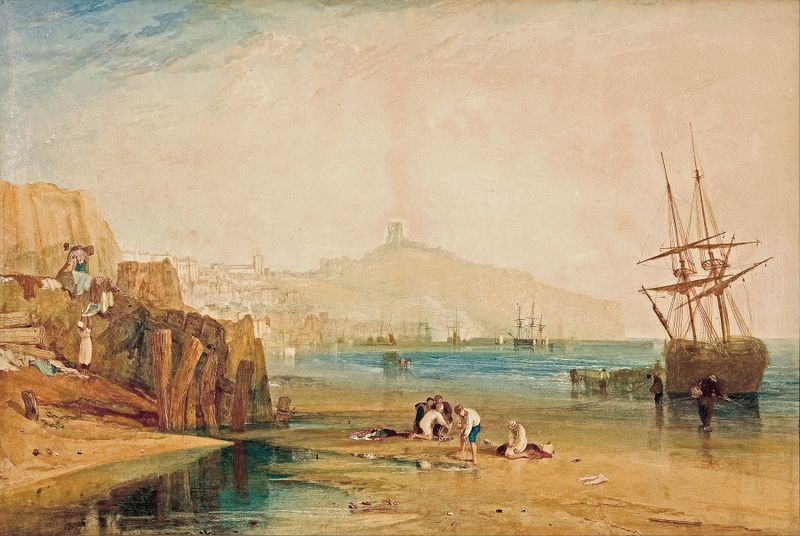
Scarborough town and castle; morning; boys catching crabs
Joseph Mallord William Turner
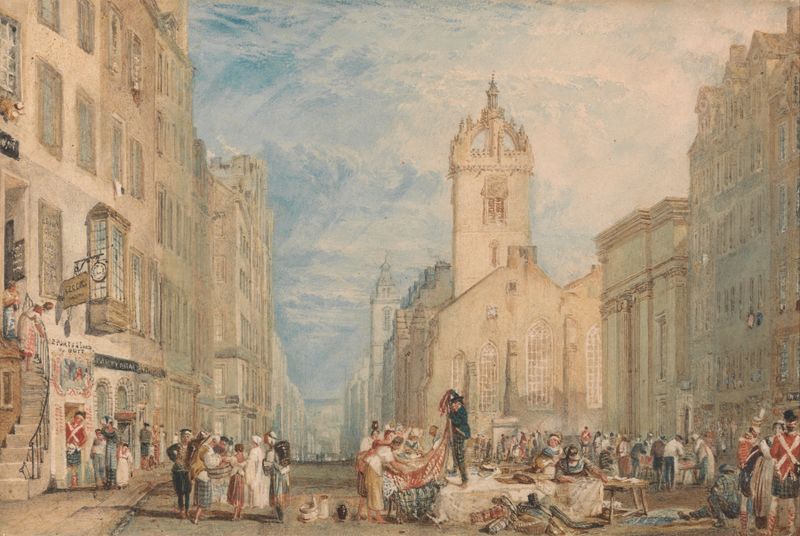
High Street, Edinburgh
Joseph Mallord William Turner
More Portrait Art
Browse all →
Las meninas
Diego Velázquez

Self-portrait with a Bandaged Ear and Pipe
Unidentified artist

Girl with a Pearl Earring
Johannes Vermeer

The Sampling Officials of the Amsterdam Drapers’ Guild, Known as ‘The Syndics’
Rembrandt van Rijn

The Hundred Guilder Print: the man seen on the back in the lower left corner
Rembrandt van Rijn

Portrait of Dr Gachet
Vincent van Gogh