Return of the flock — History & Facts
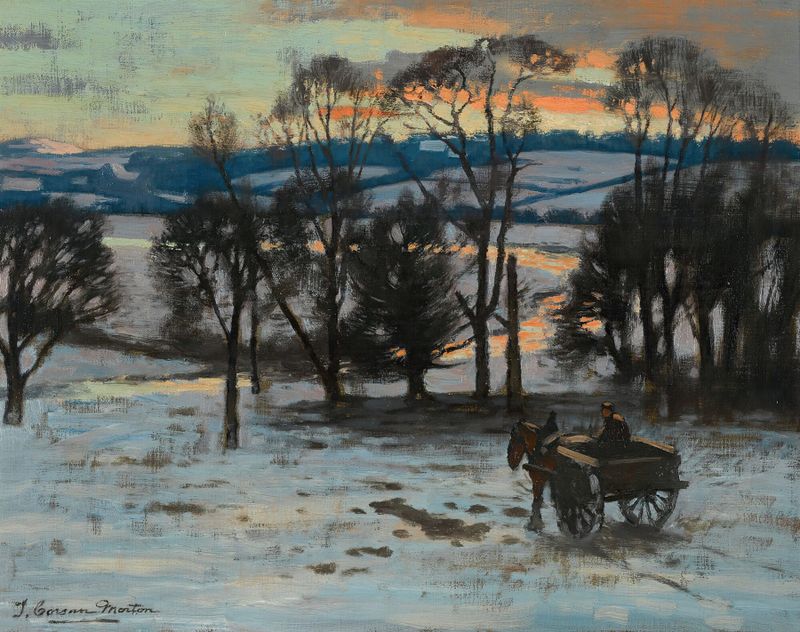
Is this a mirror — or a memory? In Return of the Flock, we find ourselves at the intersection of nature and nostalgia, where the act of return becomes a profound symbol of renewal amidst chaos. Focus your gaze on the expansive landscape that unfolds before you. The horizon stretches wide, with hues of green and gold harmonizing in a soft embrace, while a flock of birds ascends into the azure sky. Notice how the brushwork creates a gentle movement, as if the very air vibrates with the flutter of wings.
The light cascades through the scene, casting a warm glow that evokes a sense of serenity and hope, inviting the viewer to breathe in the tranquility. Delve deeper into the details: the way the birds are arranged in a V formation hints at unity and resilience amid upheaval. Their flight signifies not just a physical return, but a spiritual journey through loss and reclamation. The play of light on the landscape presents contrasts between shadow and illumination, mirroring the tensions within life — a reflection on both the struggles of existence and the beauty that follows.
Each element whispers a story of revolution, reminding us that transformation often starts with a single, deliberate step back to our roots. Created during a time of shifting artistic paradigms, the piece reflects Morton's engagement with themes of nature and societal change. Though the exact date remains unknown, it is likely that this work emerged in the late 19th to early 20th century, a period ripe with artistic experimentation and a yearning for connection to the natural world. In an era when the industrial revolution was reshaping landscapes, Morton’s vision offers both a respite and a revival, resonating with viewers seeking solace amidst the noise of modernity.