Ribbed jug — History & Facts
In every brushstroke lies an unspoken story, a delicate tension that echoes through time. The simple form of a ribbed jug is not merely a vessel; it is a testament to the fears and aspirations of its creator and the world that surrounded it. Focus on the jug’s textured surface, where light dances across the ribs, casting shadows that breathe life into the earthenware. Notice how the muted earth tones, ranging from ochre to deep sienna, evoke a sense of warmth yet hint at the fragility of existence.
The jug stands steadfast, a solitary presence that invites contemplation while suggesting the weight of untold narratives. Delve deeper into the jug’s shape, which reflects the interplay of utility and artistry, reminiscent of a world where function and beauty were inseparable. The carefully crafted ridges may symbolize the pressures and fears of the era — a time when simple objects held deep significance. Each imperfection on the surface tells of human touch, a reminder that even the most mundane items bear the fingerprints of vulnerability and hope. Created between 1450 and 1549, this untitled work emerges from a period marked by innovation and the flourishing of the Northern Renaissance.
The artist, shrouded in anonymity, navigated a landscape transformed by burgeoning trade and an increased emphasis on craftsmanship. In this climate, the jug embodies not just a physical object, but also the cultural currents that shaped everyday life, reflecting both the artist's skill and the societal conditions of the time.
More Artworks by Unknown Artist
Browse all →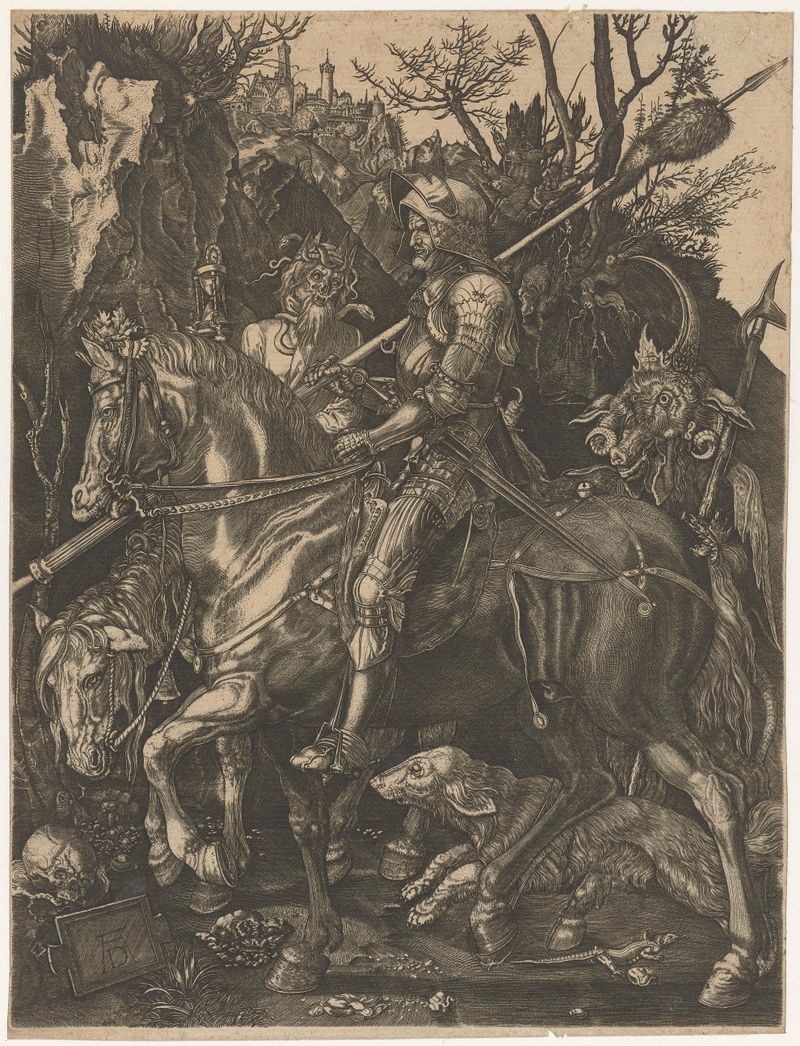
Ridder, Dood en Duivel
Unknown Artist
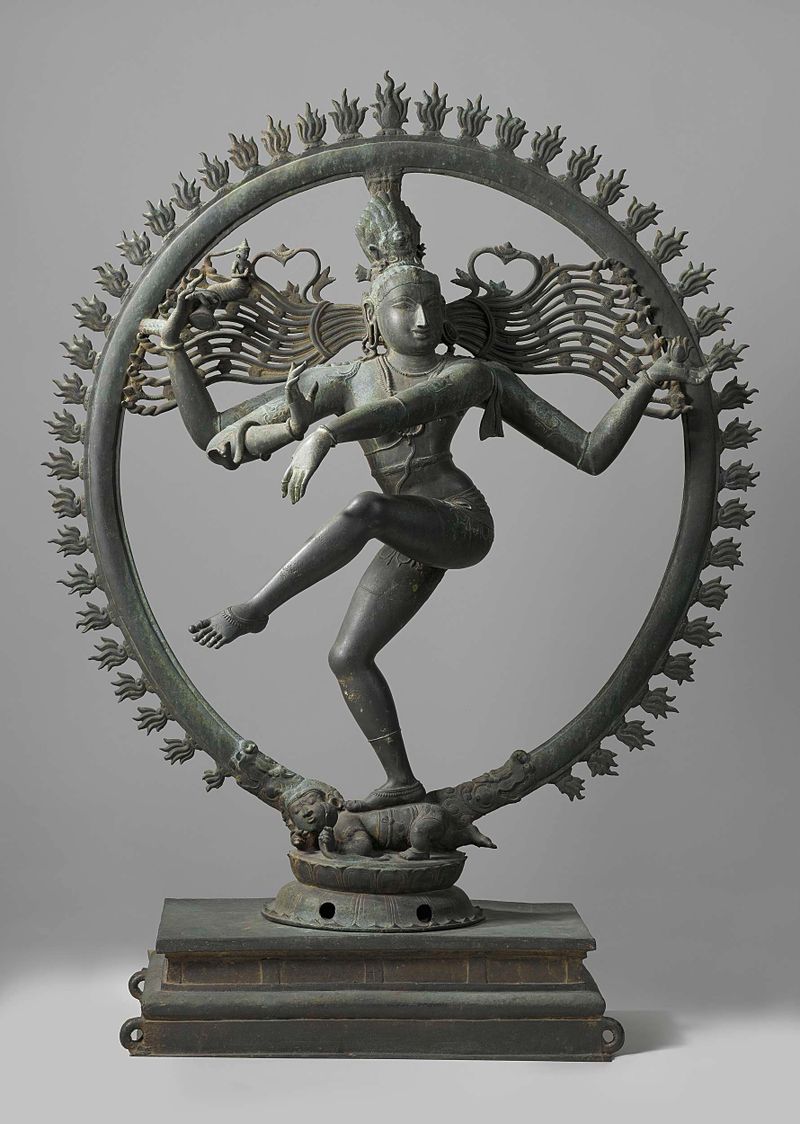
Shiva Nataraja
Unknown Artist
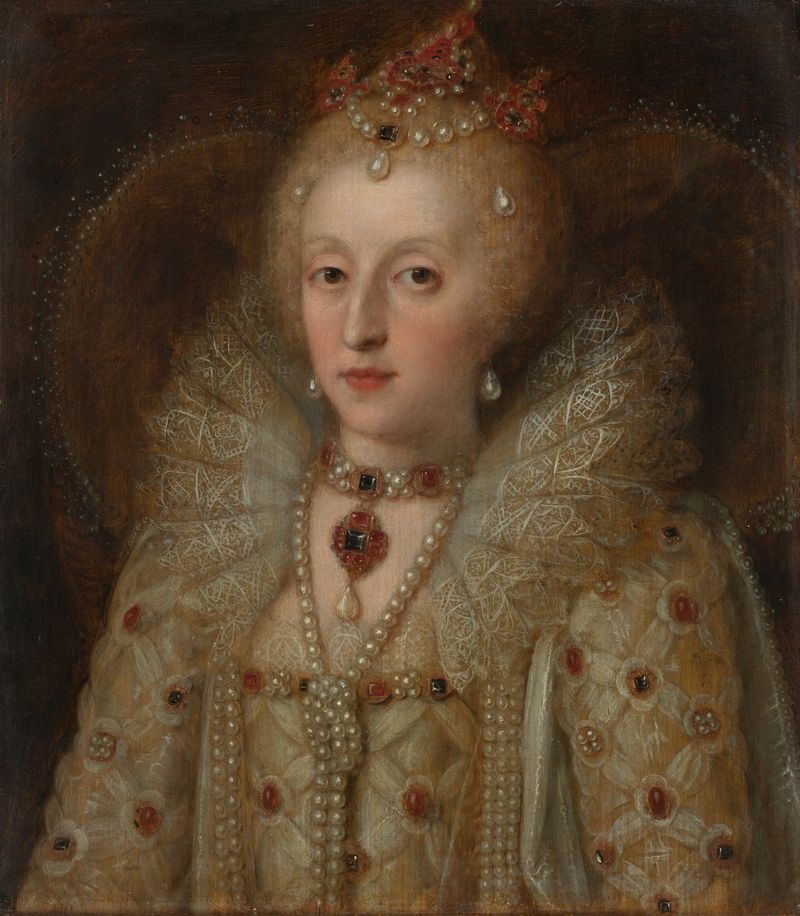
Portrait of Elizabeth I, Queen of England
Unknown Artist
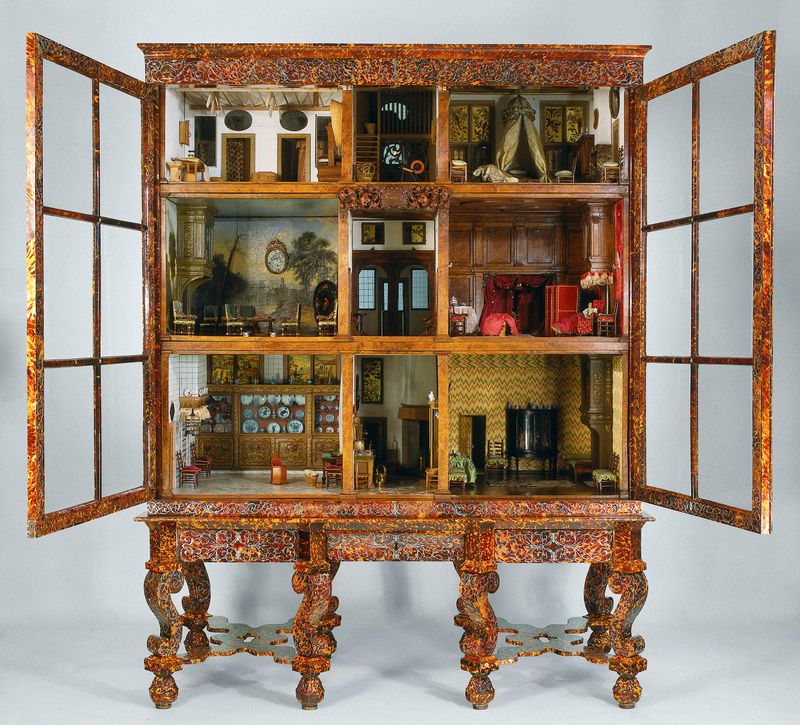
Dolls’ house of Petronella Oortman
Unknown Artist
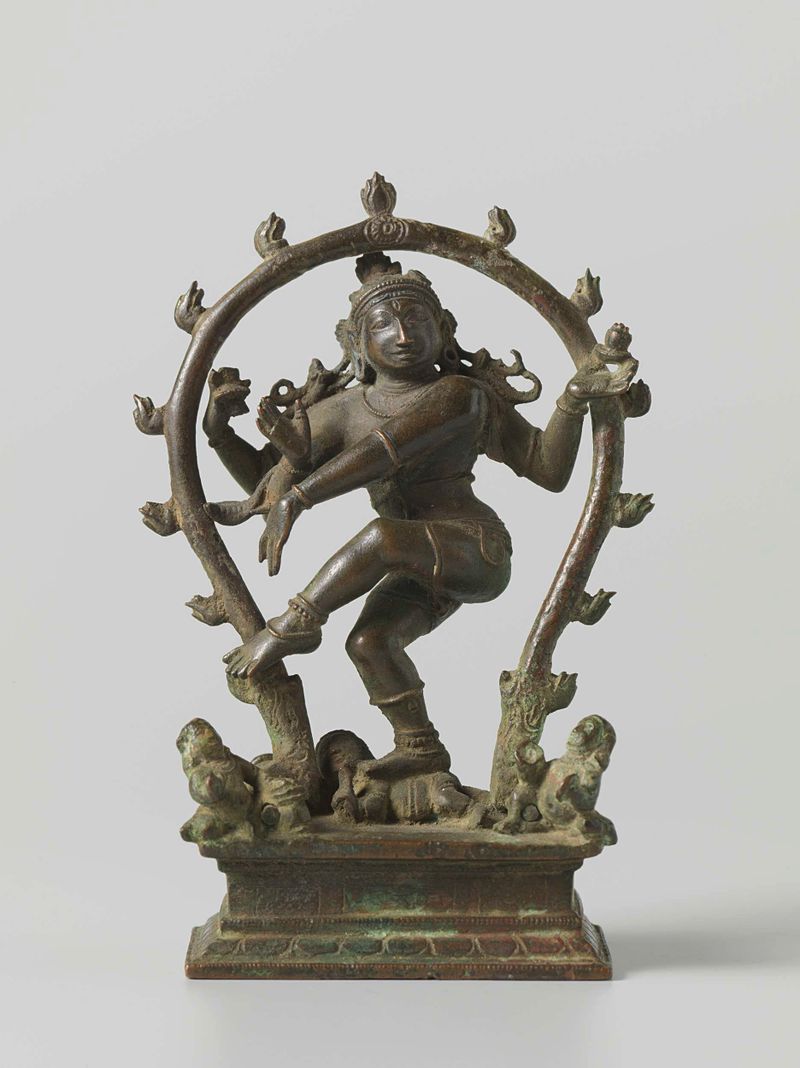
Shiva Nataraja
Unknown Artist

The Tale of Genji
Unknown Artist

The Tale of Genji
Unknown Artist
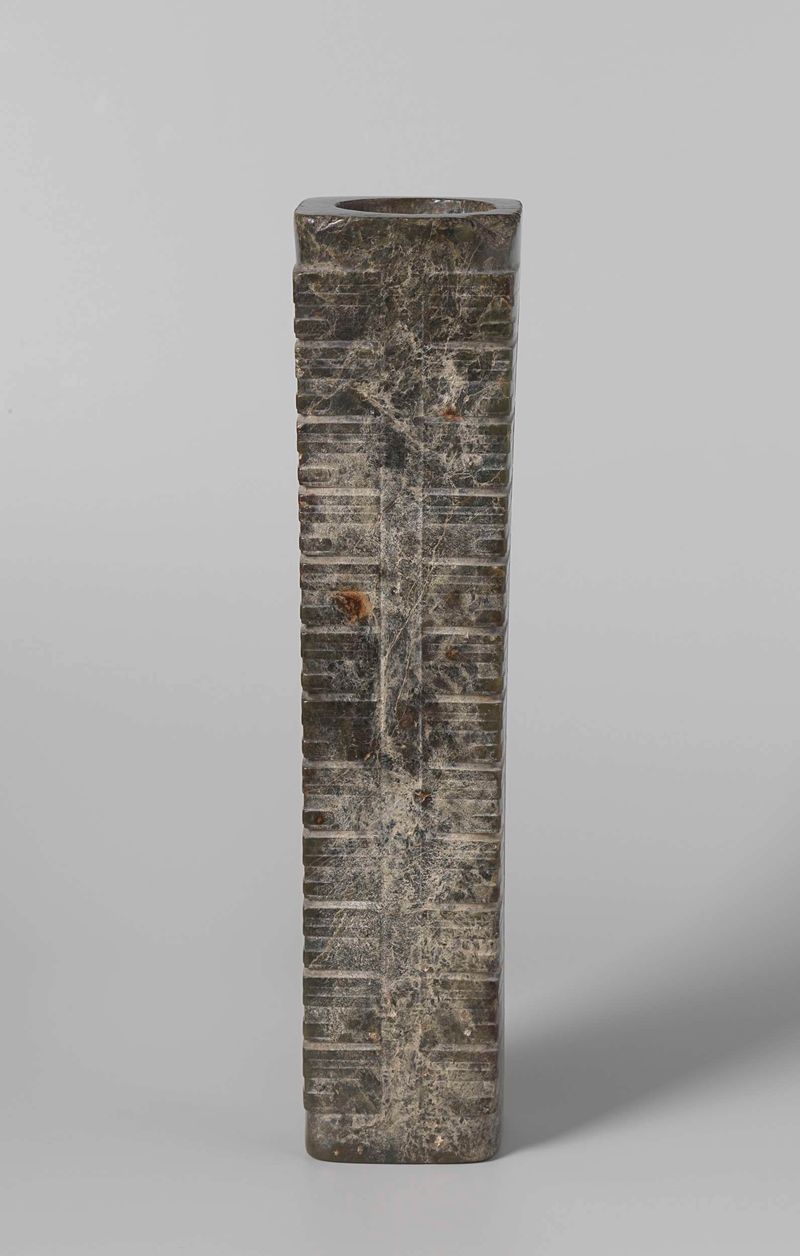
Cong
Unknown Artist
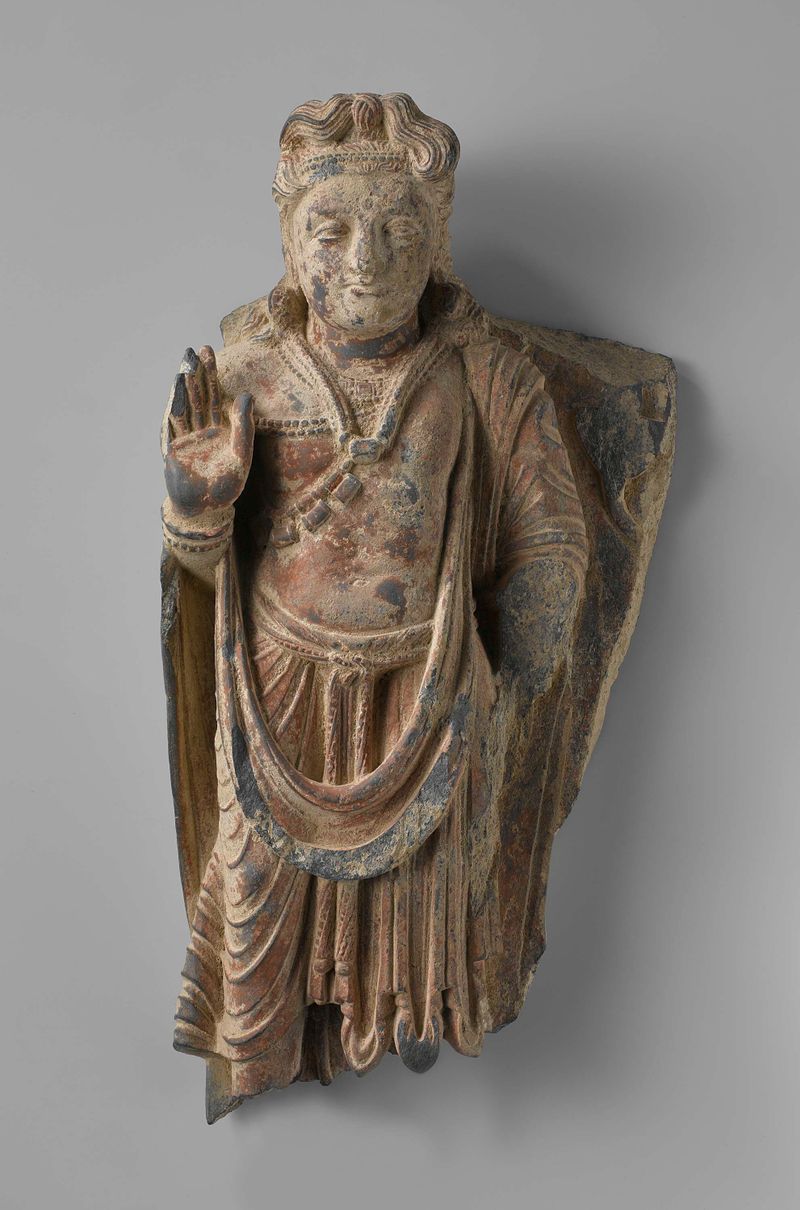
The bodhisattva Maitreya
Unknown Artist
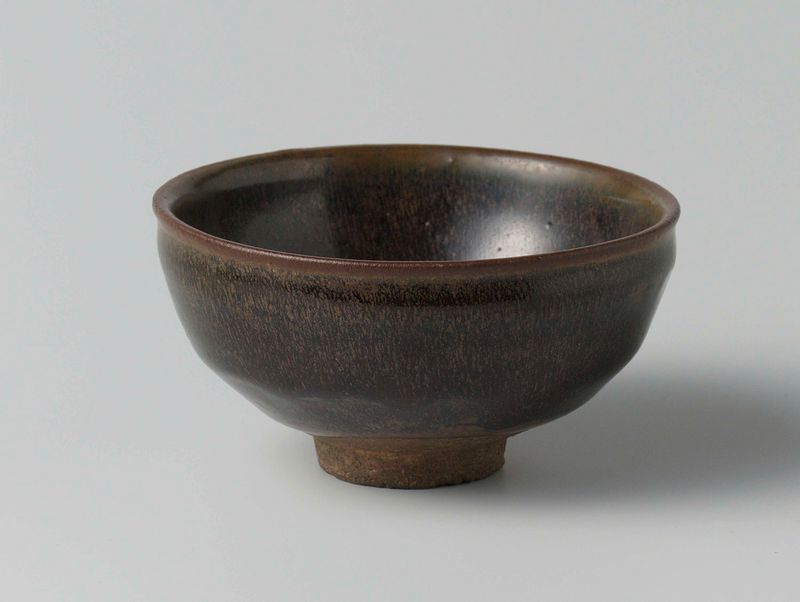
Teabowl with a 'hare's fur' glaze
Unknown Artist