Richmond Castle — History & Facts
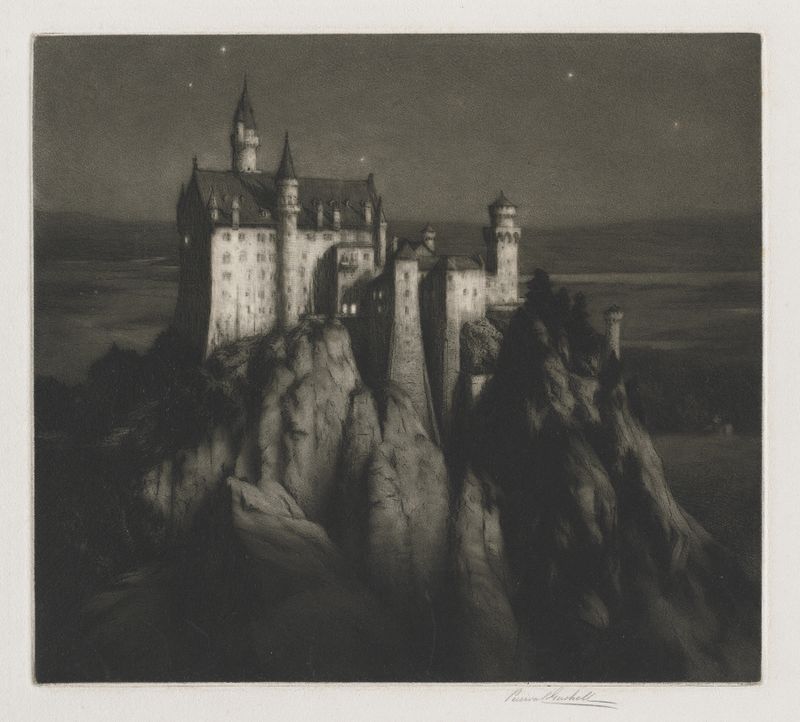
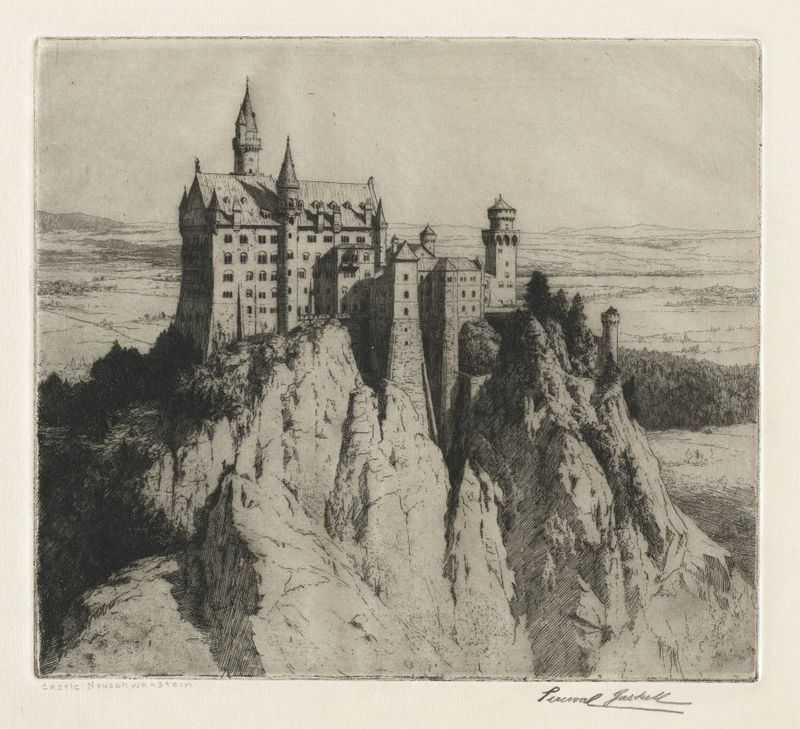
In the quiet embrace of melancholy, a truth lingers, evoking memories and dreams intertwined with the passage of time. Look to the left at the imposing silhouette of Richmond Castle, its stone walls etched against a moody sky. Notice the subtle play of light and shadow that dances across the surface, revealing textures that speak of history and endurance. The muted color palette—grays, soft blues, and earthy tones—heightens the sense of longing, inviting contemplation of the stories within those ancient walls. In this landscape, the juxtaposition of the fortress’s strength against the ethereal qualities of the sky creates a poignant tension.
The castle stands defiantly, yet an air of solitude envelops it, reflecting an unspoken narrative of decline and resilience. Small details, like the distant trees and the delicate brushstrokes portraying clouds, hint at the transience of life, whispering of dreams that fade and echo the passage of ages. Gaskell painted this work during a period marked by a shift in artistic focus in the late 19th century, likely influenced by the rise of the British Impressionist movement. He was exploring themes of landscape and architecture, capturing the essence of places steeped in history.
At this time, the world was grappling with industrialization, prompting artists to reflect upon the changing landscape of their environment and the emotions tied to it.