River Landscape — History & Facts
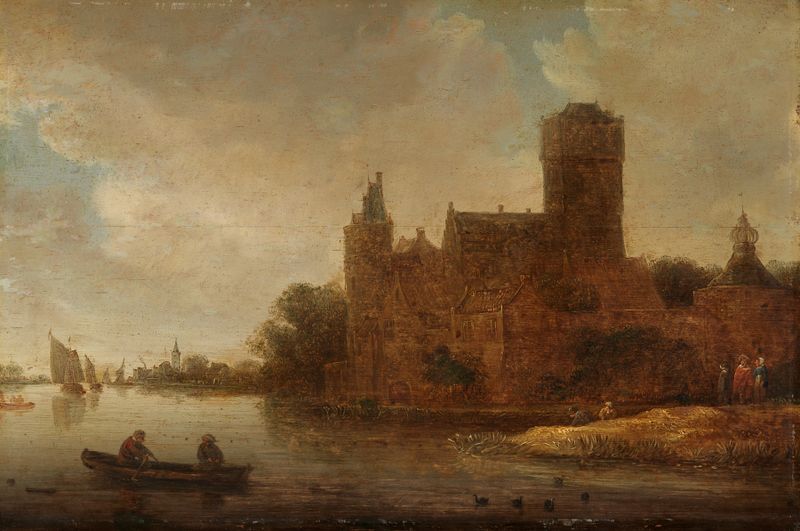
In the dance of light and shadow, color emerges as both memory and emotion, encapsulating fleeting moments that would otherwise dissolve into the past. Look closely at the luscious greens and vibrant blues that sweep across the canvas, guiding our eyes to the river gliding gently through the landscape. Notice how the artist masterfully employs layers of pigment to create depth, inviting you to gaze into the tranquil waters that reflect the sky’s warm hues. The juxtaposition of the serene water and the vibrant foliage evokes a sense of harmony, while the soft brushwork adds an ethereal quality that feels alive. Within this picturesque scene, subtle contrasts of color and light reveal deeper meanings.
The gentle flow of the river symbolizes the passage of time, while the boldness of the colors suggests the vibrancy of life itself. Look closely at the interplay of shadows on the water’s surface; they hint at both tranquility and an underlying current of change. Each element in the landscape speaks to a moment suspended, a reminder of beauty amidst the relentless march of time. In 1639, Coelenbier created this work during a period of burgeoning artistic exploration in the Dutch Golden Age, marked by a growing appreciation for landscape painting.
Living in an era where nature began to take center stage, he was influenced by his surroundings in the Netherlands, a place where waterways and lush greenery shaped daily life. This painting exemplifies his ability to capture both the beauty of the natural world and the emotional resonance that color can evoke, positioning him as a noteworthy figure of his time.