
River Scene, Aldercar — History & Facts
Did the painter know this moment would outlive them? In River Scene, Aldercar, the delicate interplay of light and water captures the fragility of existence, a fleeting testament to nature's beauty. Focus first on the shimmering surface of the river, where dappled sunlight dances in a kaleidoscope of blues and greens. The gentle strokes of the brush create a sense of movement, as if the water itself is alive. Notice how the trees on the banks bend slightly, as if whispering secrets to the water below, their reflections softly merging with the flow.
The muted colors evoke a serene yet melancholic atmosphere, inviting contemplation on the passage of time. Beneath the tranquil surface lies a tension between permanence and transience. The stillness of the scene contrasts with the inevitability of change—the trees will grow, the river will reshape its course, and yet this moment is captured forever. The small boats drifting in the distance suggest human presence, hinting at the fragility of life amid nature’s enduring rhythm.
In this juxtaposition, we find an invitation to reflect on our own fleeting moments. In 1837, Cotman painted this work during a period of personal and artistic exploration. Living in England, he was inspired by the natural beauty surrounding him, working at a time when the Romantic movement celebrated emotion and the sublime qualities of landscape. This piece epitomizes his ability to portray nature with both precision and an emotive touch, representing a moment where art and life beautifully intertwine.
More Artworks by Miles Edmund Cotman
Browse all →
From the Garden front of my Father’s House at Thorpe next Norwich
Miles Edmund Cotman

Study of Trees on the Banks of the Yare
Miles Edmund Cotman

Col. Harvey’s Meadow Thorpe and Norwich Oct. 2nd 1841
Miles Edmund Cotman
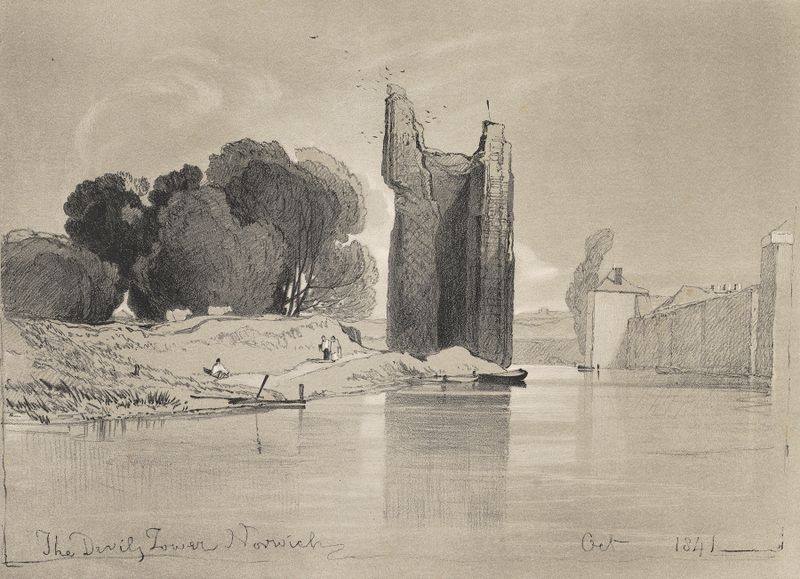
The Devil’s Tower, Norwich Oct. 1841
Miles Edmund Cotman

Mousehold Heath–The Lane to the Left above Col. Harveys House
Miles Edmund Cotman
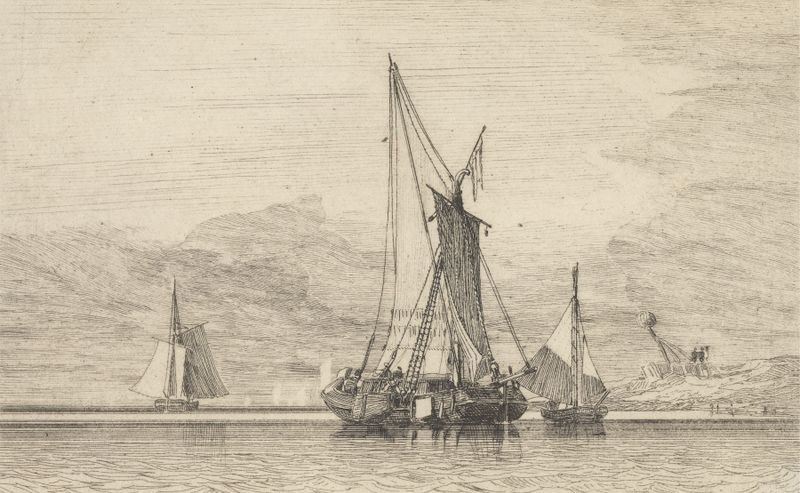
On the Medway
Miles Edmund Cotman

Itteringham Nov. 12th 1841
Miles Edmund Cotman
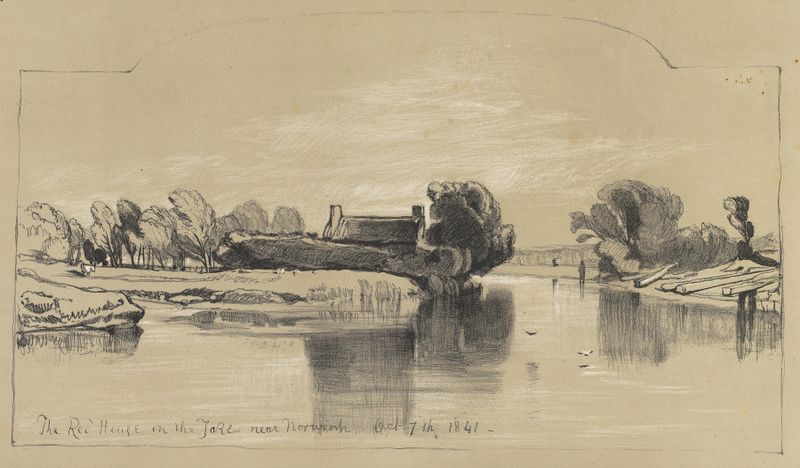
The Red House on the Lake near Norwich Oct. 7th, 1841
Miles Edmund Cotman
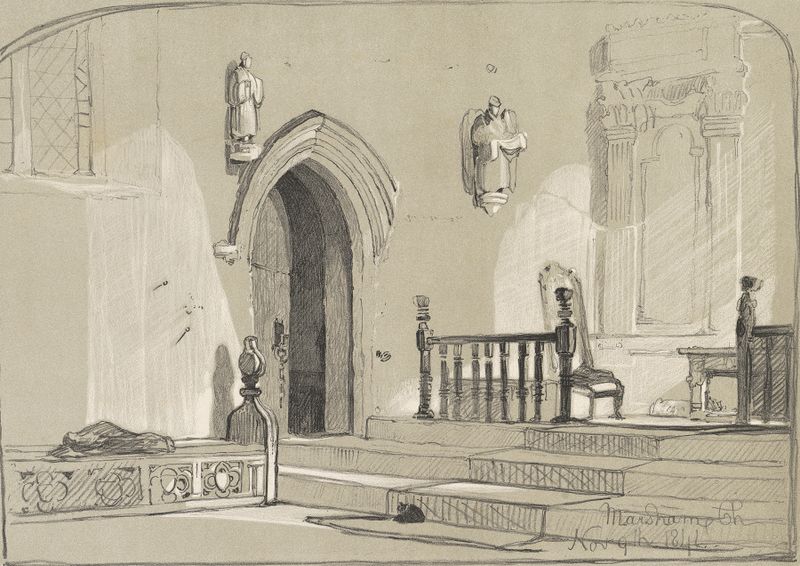
Marsham Ch. Nov. 9th 1841.
Miles Edmund Cotman

French Fishing Boat off the Shears
Miles Edmund Cotman





