
Riverside, autumn — History & Facts
This profound truth lies at the heart of Riverside, autumn, a stunning representation of nature's vibrant transition. The artwork whispers to us, inviting introspection and reflection, reminding us of the delicate balance between fleeting beauty and inevitable change. Look to the right at the lush canopy, where autumn leaves burst into a riot of orange and gold, their shadows dancing lightly on the tranquil water below. Notice how the gentle ripples reflect the colors above, creating a harmonious blend of earth and sky.
The artist employs soft brushstrokes that blend seamlessly, mimicking nature's fluidity, while the overall composition leads your gaze along the winding river, encouraging a sense of movement and serenity. Delve deeper into the contrasts presented in this piece: the striking warmth of the foliage juxtaposed against the cool blues of the water evoke feelings of nostalgia and melancholy. Each leaf, delicate yet bold, carries the weight of both beauty and decay, perfectly illustrating the fleeting nature of life. The soft light filtering through the branches imbues the scene with an almost ethereal quality, embodying the transient essence of autumn itself. In 1930, as Margaret Stoddart painted Riverside, autumn, she was flourishing in the artistic community of New Zealand, where her work captured the rich landscapes and flora of her homeland.
During this period, she was celebrated for her ability to blend naturalistic observation with a unique expressive style, reflecting a broader movement in art that sought to reconnect with the beauty of the natural world amidst the changes of modern life.
More Artworks by Margaret Stoddart
Browse all →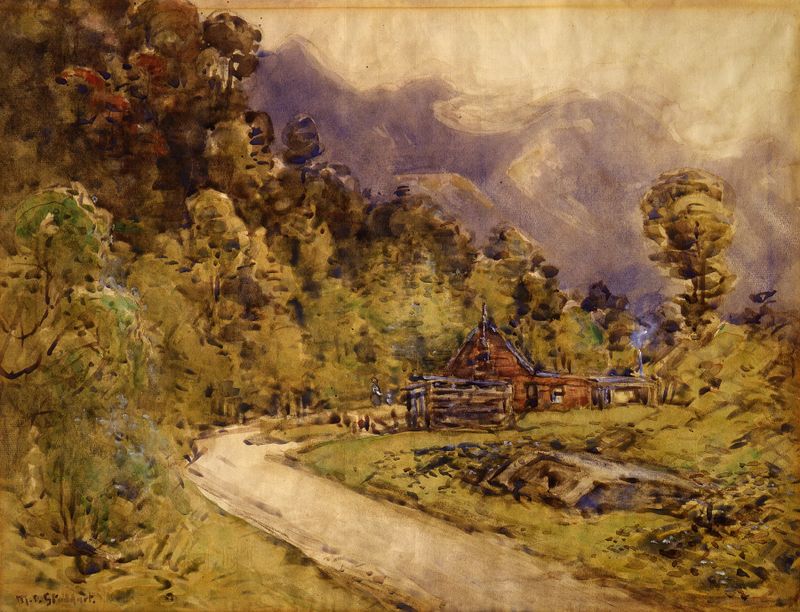
Old cottage, Arthur’s Pass
Margaret Stoddart

Stocking Glacier from Hooker Valley
Margaret Stoddart
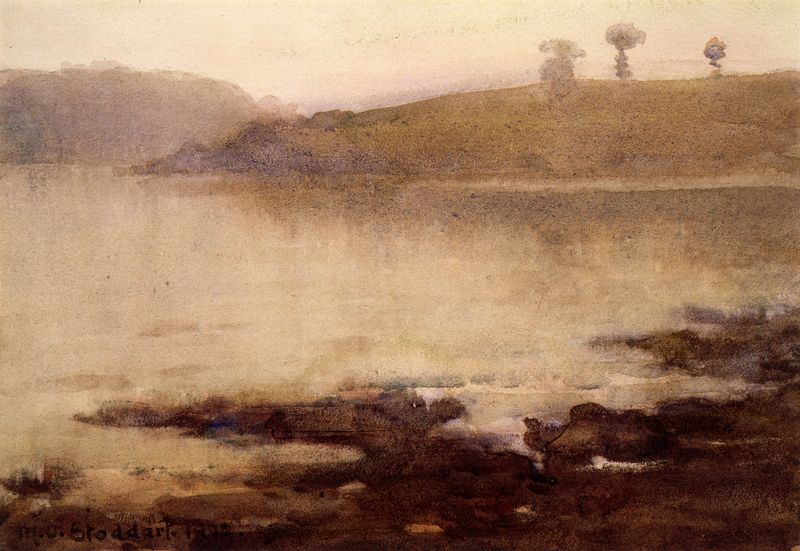
Cornish landscape
Margaret Stoddart
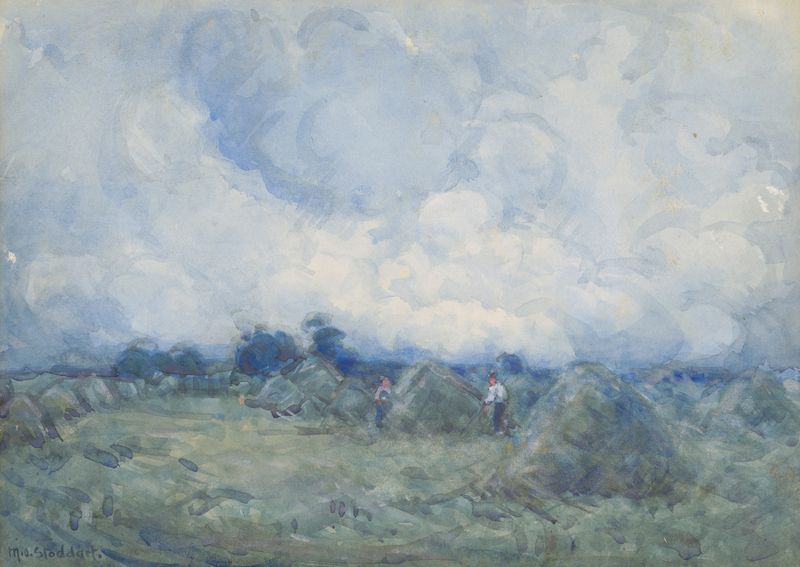
Landscape
Margaret Stoddart
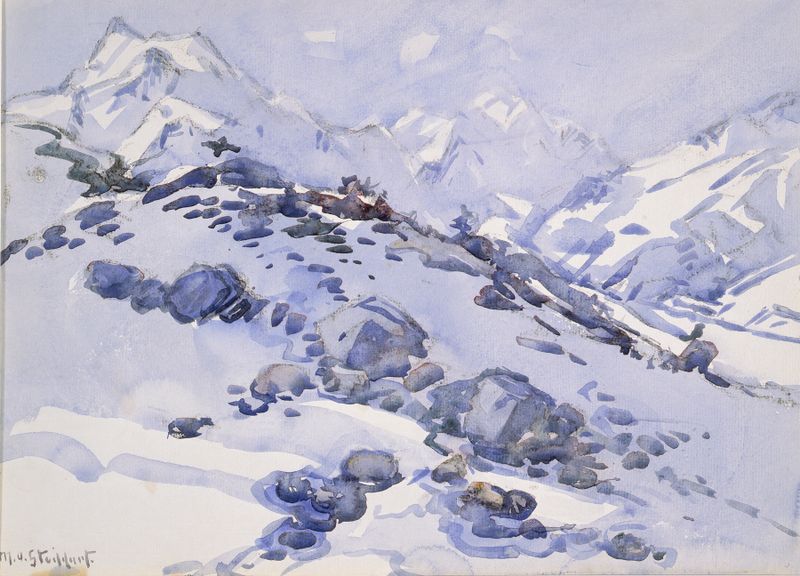
From the Ball Hut
Margaret Stoddart
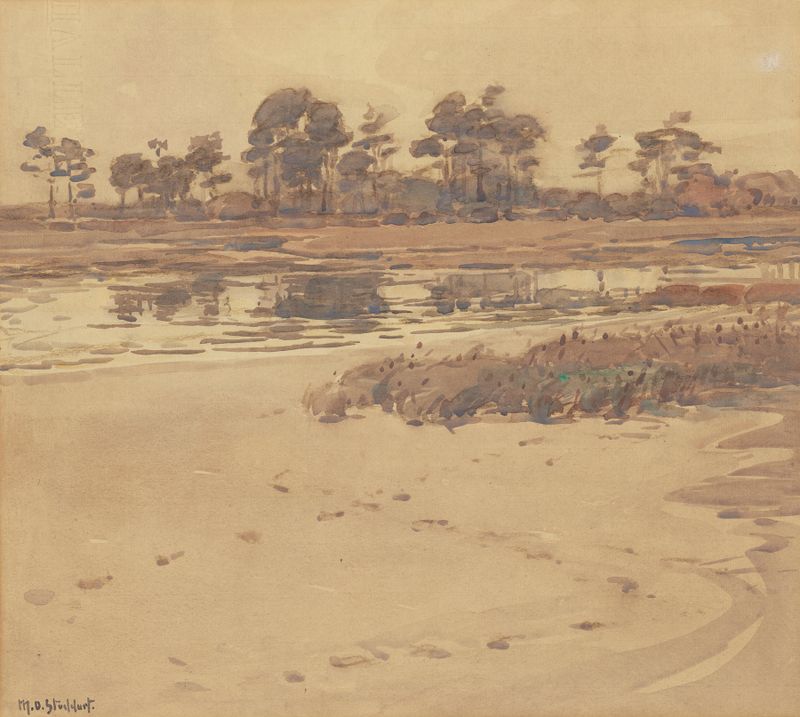
Estuary shores
Margaret Stoddart
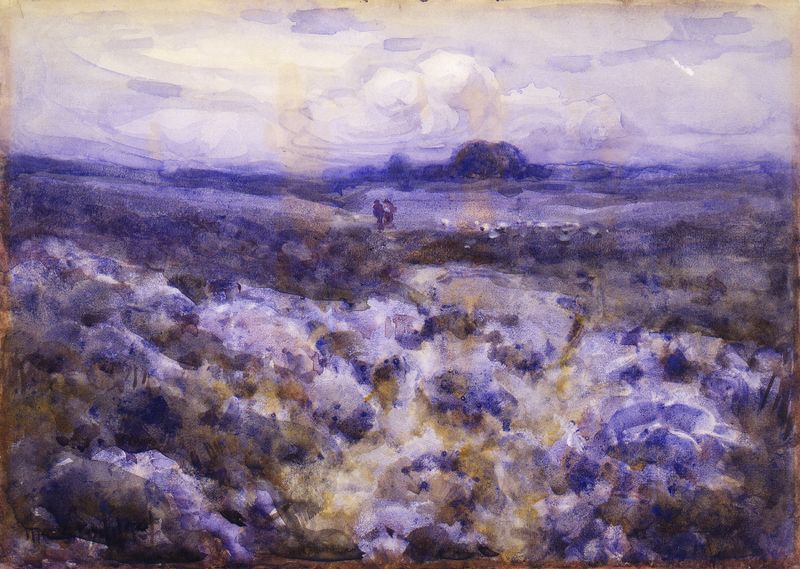
Shingaly Moor, Yorkshire
Margaret Stoddart

View of Mount Cook
Margaret Stoddart

Roses (white)
Margaret Stoddart





