
View of Mount Cook — History & Facts
In the embrace of nature’s grandeur, nostalgia whispers through every brushstroke, inviting us to remember the beauty we often overlook. Look to the foreground of the painting, where a gentle sweep of lavender wildflowers dances in the breeze, leading the eye toward the majestic Mount Cook rising against a cerulean sky. The artist’s delicate yet confident strokes blend colors seamlessly, capturing the delicate interplay of light and shadow on the mountain’s snow-capped peaks. Notice how the palette evokes a sense of tranquility, with soft greens and vibrant florals contrasting against the icy grays and whites, reflecting the harmony found in nature. The mountain stands not merely as a backdrop but as a silent character, embodying strength and timelessness.
The delicate wildflowers suggest the fleeting nature of life, while the towering peaks symbolize permanence, creating a poignant juxtaposition that stirs a deep sense of longing. This emotional tension between the ephemeral and the eternal invites the viewer to reflect on their own connection to nature and the passage of time. In 1930, Stoddart painted this piece during a period of personal exploration and artistic growth in New Zealand. Amidst the burgeoning art scene, she sought to capture the evolving landscape of her homeland, reflecting both the nostalgia for a simpler time and the beauty of the present.
This work stands as a testament to her keen observation and love for the New Zealand wilderness, which deeply influenced her artistic voice.
More Artworks by Margaret Stoddart
Browse all →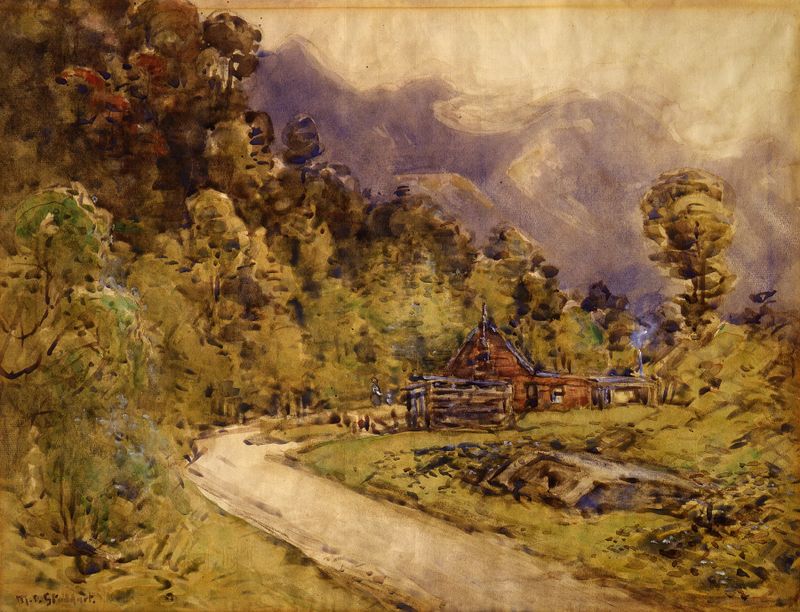
Old cottage, Arthur’s Pass
Margaret Stoddart

Stocking Glacier from Hooker Valley
Margaret Stoddart
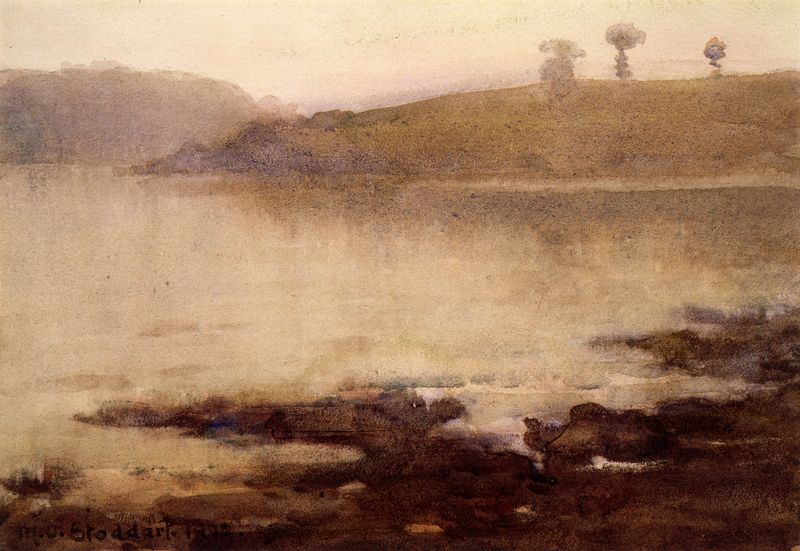
Cornish landscape
Margaret Stoddart

Riverside, autumn
Margaret Stoddart
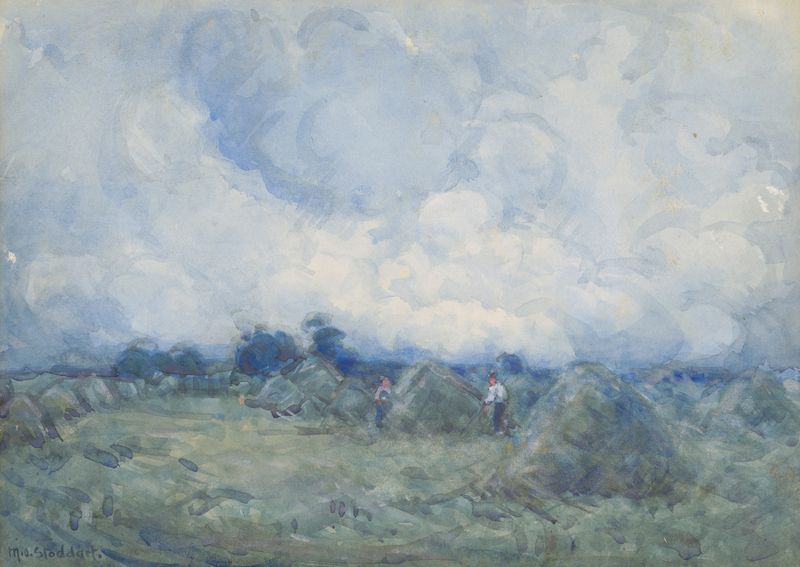
Landscape
Margaret Stoddart
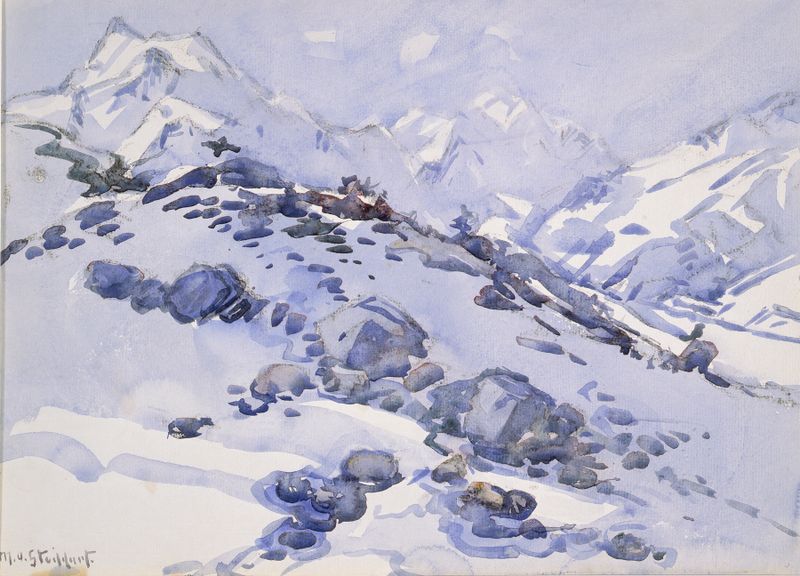
From the Ball Hut
Margaret Stoddart
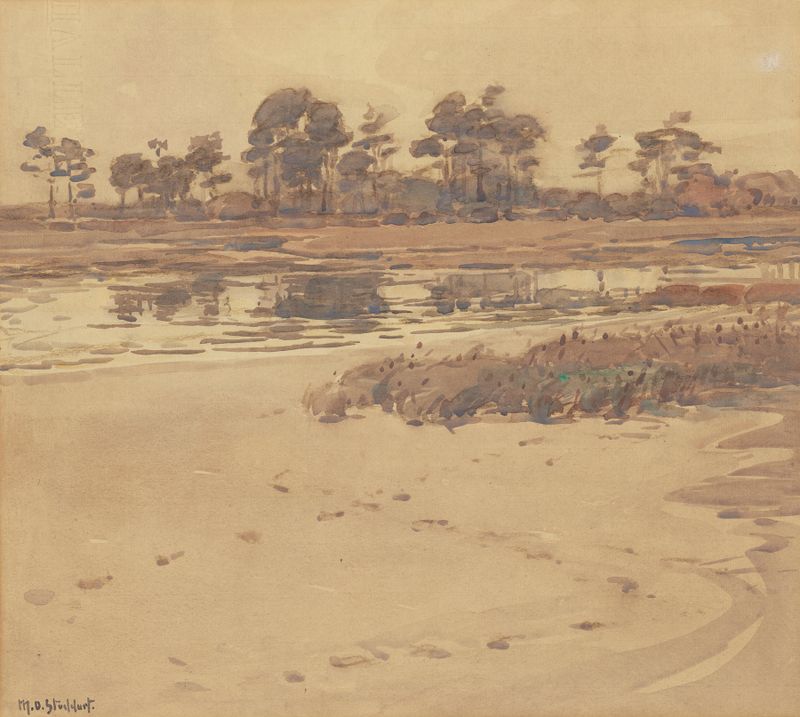
Estuary shores
Margaret Stoddart
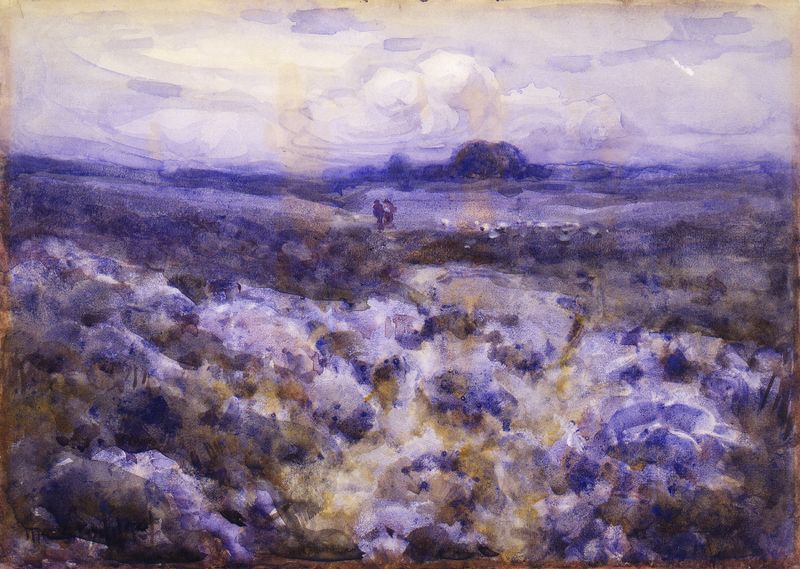
Shingaly Moor, Yorkshire
Margaret Stoddart

Roses (white)
Margaret Stoddart





