Road to the Sea — History & Facts
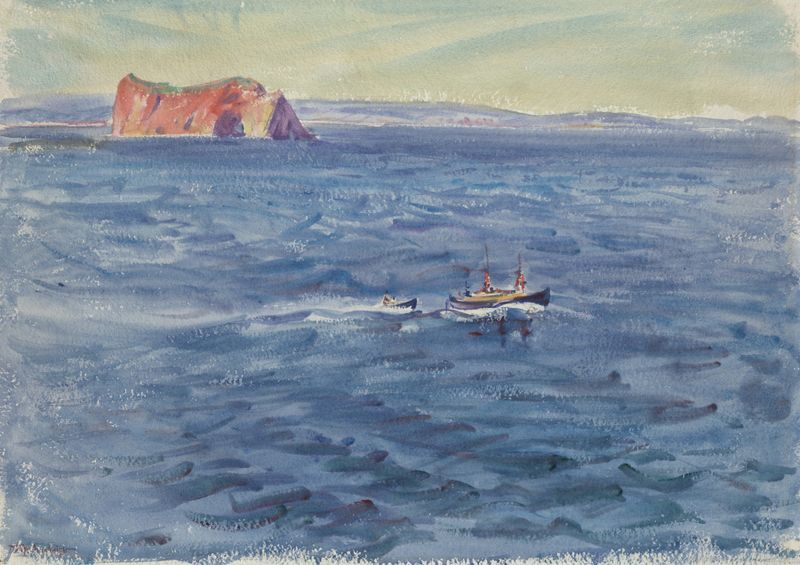
In the soft embrace of twilight, moments of loneliness echo like whispers in the wind, waiting to be uncovered. The quiet beauty of a solitary path draws us in, prompting reflection on the journey of the self. Look to the left, where the gentle curve of the road unfurls toward the distant sea, inviting the viewer to follow. The composition is rich with warm hues, blending oranges and browns that capture the fading light, while the silvery blue of the water glistens in the background.
Notice how the trees frame the path, their dark silhouettes creating a contrast that enhances the sense of isolation, while delicate brushwork gives life to the foliage — each leaf trembling with the weight of untold stories. There is a poignant tension between the vibrant colors of the road and the muted tones of the surrounding landscape, suggesting a longing for connection amid solitude. The artist’s choice to leave the sea at the journey's end tantalizes the viewer with the promise of something greater, evoking feelings of hope and yearning. This interplay between the tangible path and the elusive horizon mirrors the emotional landscape of loneliness, urging us to contemplate our own travels and the spaces we inhabit. In the early 20th century, Dodge MacKnight created Road to the Sea during a period when American art was shifting towards Impressionism, embracing color and light with renewed vigor.
Living in a time of personal exploration and artistic evolution, he sought to capture the essence of nature and the human experience, establishing himself as a key figure in the conversation surrounding American landscape painting.