Landscape — History & Facts
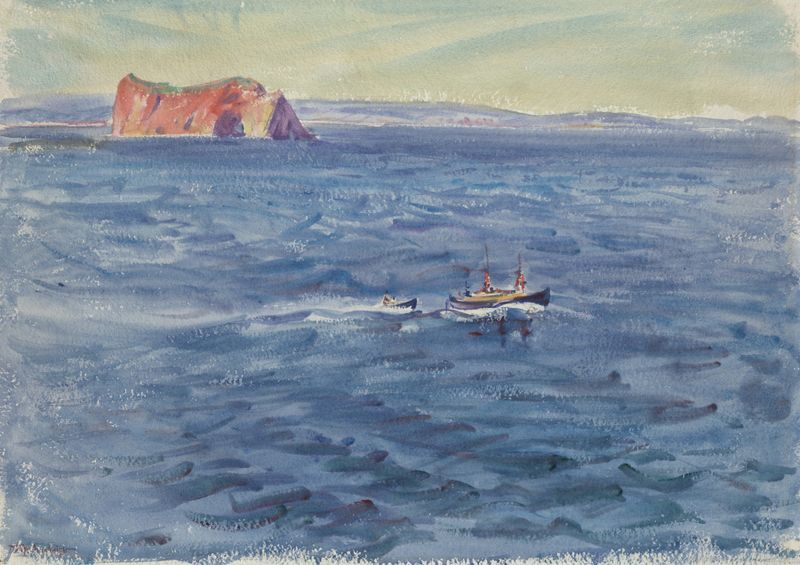
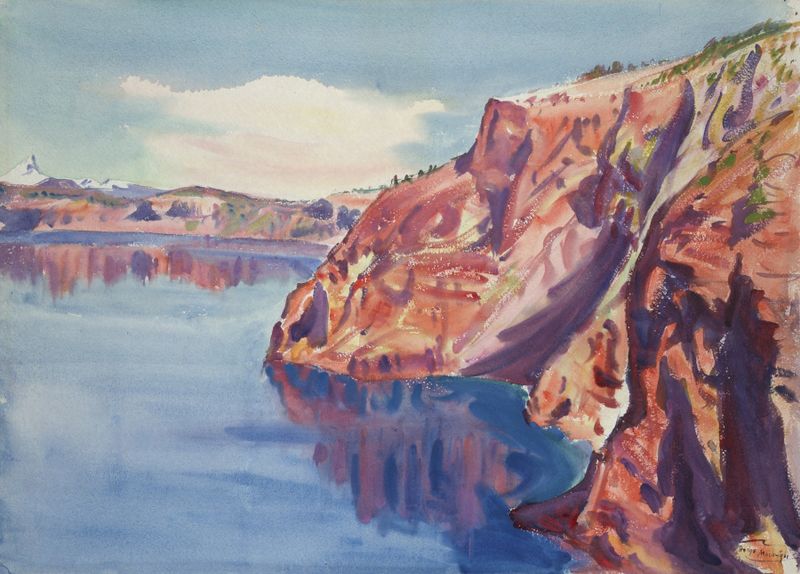
In the quiet solitude of a landscape, one can feel the pulse of awakening, a tension between the present moment and forgotten pasts. Look to the horizon, where soft hues of lavender and gold merge seamlessly, inviting the viewer’s gaze into the depths of an ethereal sky. Notice how the brushstrokes dance lightly across the canvas, creating a sense of movement amidst stillness. The verdant greens of the earth ground the composition, forming a vivid contrast against the serenity of the atmospheric backdrop.
Each layer of color reveals a meticulous attentiveness to light, suggesting a transient time of day that teeters on the edge of dawn or dusk. Upon closer inspection, small details unfold within the landscape’s embrace—perhaps a solitary tree bends slightly with the weight of memories, or a winding path beckons toward the unknown. There is a palpable tension between the tranquility of nature and the unspoken stories it harbors. This coexistence evokes a sense of nostalgia, illuminating the interplay between fleeting moments and the permanence of the painted image. The artist, known for his impressionistic style, created this piece during a time when the art world was experiencing shifts toward modernity.
He painted during the early 20th century, influenced by both the natural beauty surrounding him and the innovations of the Impressionist movement. This period in his life was marked by a deep exploration of color and light, reflecting not only his personal journey but also the broader quest for authenticity within an ever-changing artistic landscape.