
Rocks In Fontainebleau — History & Facts
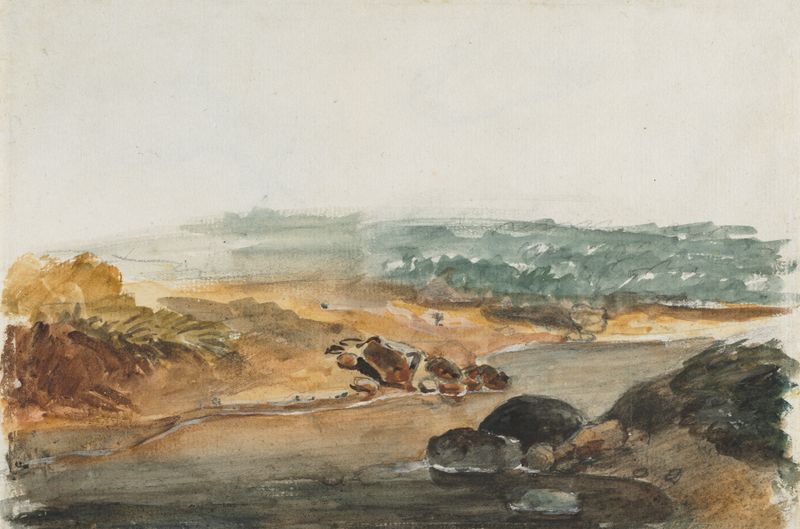
When did color learn to lie? In Rocks In Fontainebleau, Barye captures the essence of solitude through a rugged landscape that speaks to the heart's deepest longings. The textured surfaces of the rocky formations evoke a sense of estrangement, each hue whispering stories of isolation and the passage of time. Look to the left at the dark, imposing rocks that dominate the composition; their jagged edges jut defiantly against the canvas. Notice how the artist employs a muted palette, with grays and earthy tones intertwined, suggesting the weight of loneliness embedded in the earth itself.
The interplay of light and shadow creates a dramatic tension, emphasizing the rugged beauty of the terrain while simultaneously highlighting its desolation. Within these rocks lies a deeper narrative of endurance and resilience. The sharp contrasts between the raw power of nature and the stillness of the scene capture the paradox of existence: while the landscape stands eternal, the viewer feels the melancholic absence of life. Each shadow tells of a moment forgotten, allowing us to reflect on our own experiences of solitude.
In this silent space, one can almost hear the echoes of unspoken thoughts reverberating through the air. Barye created Rocks In Fontainebleau during a period when he was establishing himself as a prominent figure in the French art scene, likely in the mid-19th century. The shift towards Romanticism influenced his work, as artists began to explore the emotional resonances within nature. This piece reflects not only his artistic journey but also the broader cultural contemplation of the human condition amidst the tumultuous backdrop of a changing world.
More Artworks by Antoine-Louis Barye
Browse all →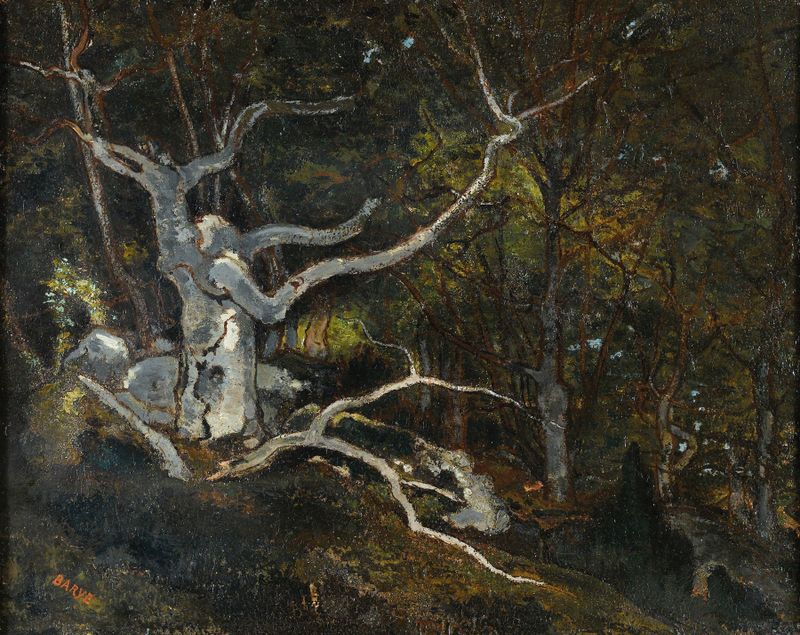
Forest Of Fontainebleau, The ‘reine Blanche’
Antoine-Louis Barye

Intérieur de la forêt de Fontainebleau
Antoine-Louis Barye

A Doe Lying
Antoine-Louis Barye

Chemin sableux en forêt de Fontainebleau
Antoine-Louis Barye

Rocks In Fontainebleau Forest
Antoine-Louis Barye
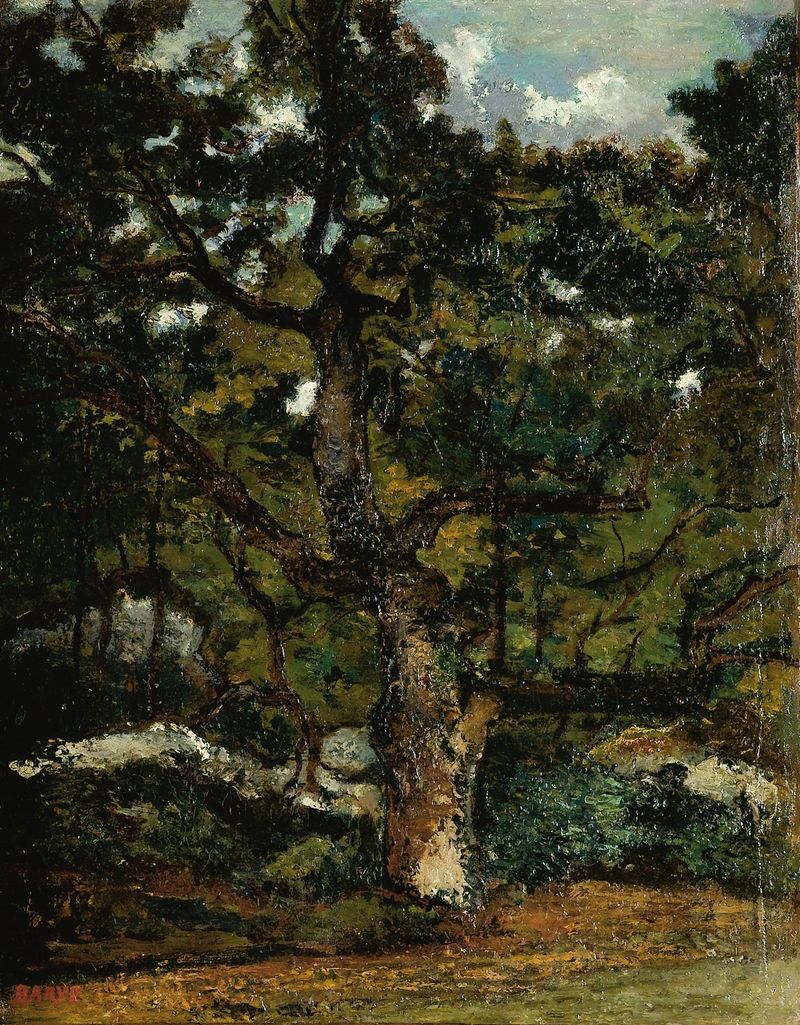
View Of The Fontainebleau Forest
Antoine-Louis Barye
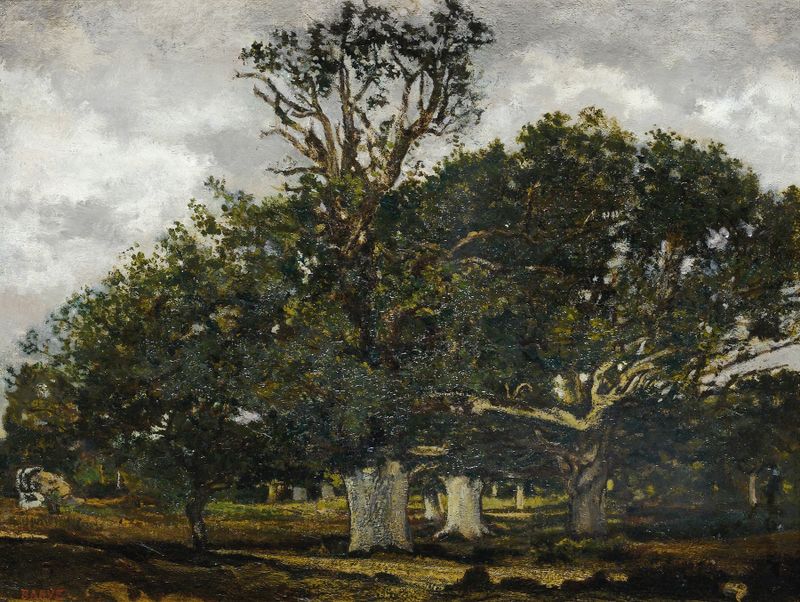
‘jean De Paris’ In Fontainebleau Forest
Antoine-Louis Barye
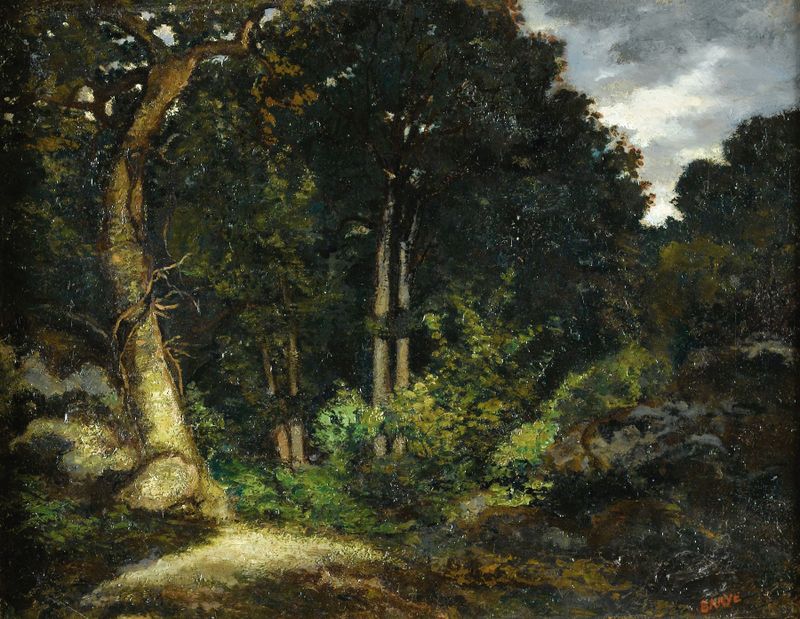
View Of Fontainebleau Forest
Antoine-Louis Barye
Landscape
Antoine-Louis Barye

Forest Of Fontainebleau
Antoine-Louis Barye





