Rocks in the Sun — History & Facts
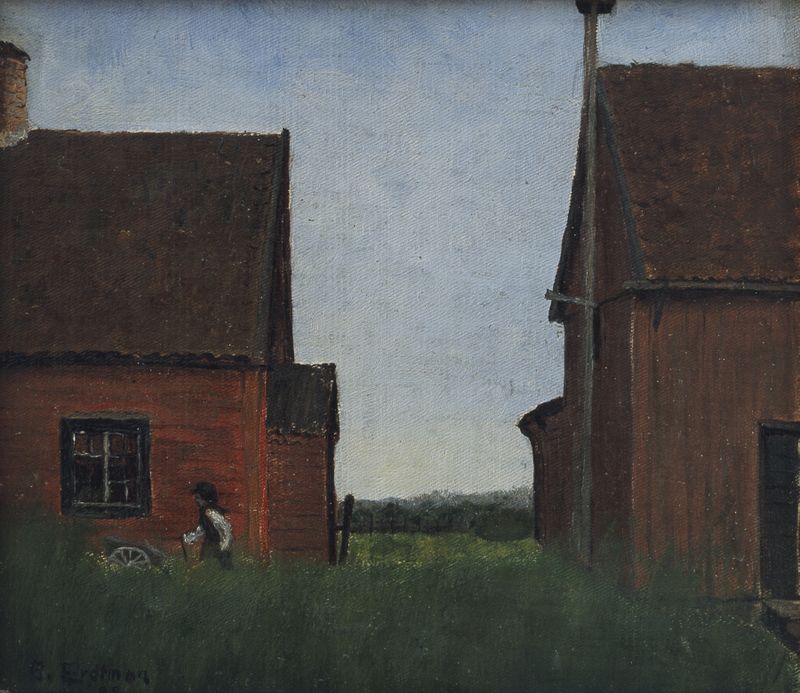
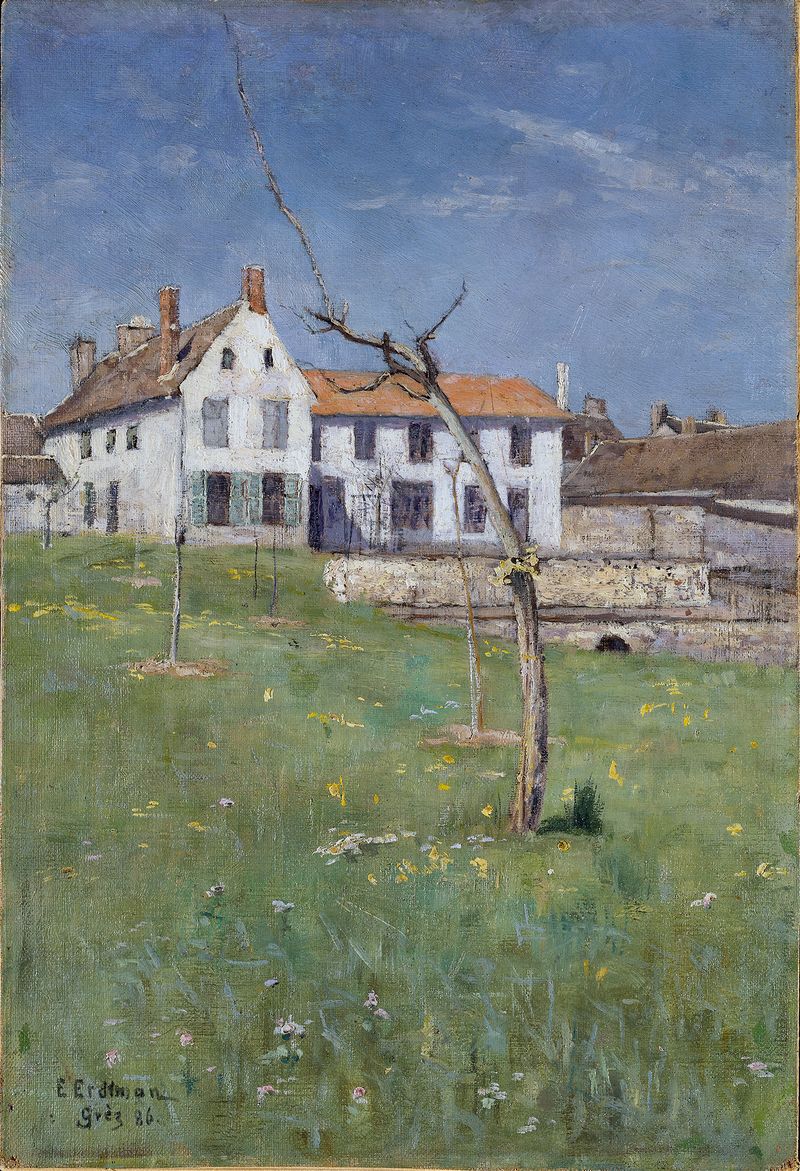
Is this a mirror — or a memory? The interplay of light and shadow in this artwork offers a glimpse into transformation, inviting the viewer to reflect on the nature of existence and the passage of time. Focus on the luminous rocks nestled in the sun-drenched landscape. Notice how the golden hues illuminate their rugged surfaces, creating a striking contrast against the cooler tones of the surrounding foliage. The composition draws the eye to the textured forms of the rocks, hinting at their silent yet powerful presence.
The painter’s deft brushwork brings an almost tactile quality to the scene, allowing the viewer to feel the warmth radiating from the sunlit stones. As you explore further, consider the emotional resonance of the piece. The juxtaposition of solid, enduring rocks and the ephemeral quality of sunlight suggests a dialogue between permanence and transience. This tension is enriched by the delicate shadows that dance around the stones, evoking a sense of fleeting moments captured in time.
The viewer is left pondering not only the physical landscape but also the transformative power of nature and memory. In 1889, the artist created this work during a period of artistic exploration and personal growth. Living in Sweden, he was part of the broader Impressionist movement, which sought to capture the effects of light and atmosphere in daily life. The world of art was evolving, and Erdtman was at the forefront, reflecting the changing perceptions of reality through his vivid and evocative landscapes.