Rocky coast – Vues d’Hyères — History & Facts
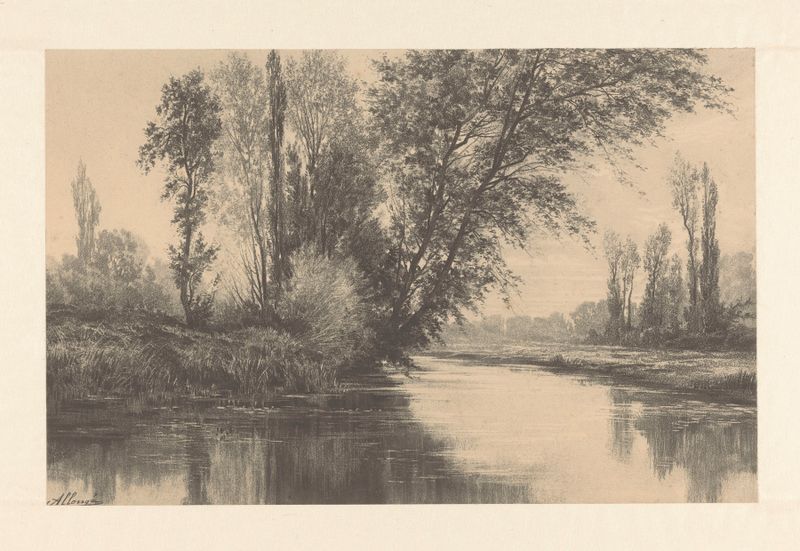
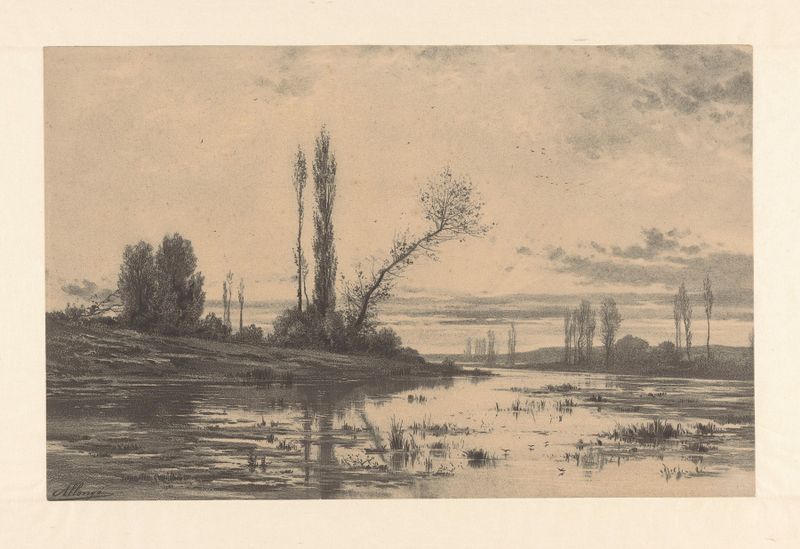
Could beauty survive in a century of chaos? Auguste Allongé's Rocky coast – Vues d’Hyères invites us to contemplate serenity amidst the tempest of an ever-changing world. Look to the left at the rugged cliffs, their rough edges softened by the gentle embrace of sunlight. The vibrant blues of the sea contrast strikingly with the warm hues of the land, drawing your gaze across the canvas. Notice how the artist’s delicate brushwork captures the interplay of light and shadow, creating a luminous quality that breathes life into the landscape.
Each stroke seems intentional, echoing a moment suspended in time, allowing tranquility to seep into the viewer's soul. In this coastal view, there lies an emotional tension between the solidity of nature and the fleeting essence of moments. The jagged rocks symbolize endurance, while the serene water reflects stillness and calm, suggesting an inherent harmony despite the chaos that surrounds it. The expansive horizon hints at the vastness of possibilities, offering solace in a world where beauty prevails even amidst uncertainty. Allongé painted this work in 1860, during a period of shifting artistic movements in France, as the world grappled with profound social change.
The artist was part of the Barbizon School, which sought to capture nature's beauty through realism, moving away from romantic idealism. The tranquility of this piece stands in stark contrast to the tumultuous events of his time, making it a poignant reminder of nature’s steadfastness.