
Rocky Seascape — History & Facts
When did color learn to lie? In a world where shades blend and shadows dance, the hues of nature can deceive the eye and spirit alike, suggesting rebirth from the depths of despair. Focus on the vibrant blues and greens that swell across the canvas like the tide. Notice how the crashing waves, with their foamy white crests, spill over rocky outcrops, creating a dynamic rhythm that pulls you into the scene. The sky, a palette of soft pastels, hints at both dawn and dusk—a fleeting moment that evokes a sense of endless possibility and renewal. As you absorb the scene, the contrast between the turbulent sea and the tranquil sky emerges.
This interplay highlights a conflict inherent in nature: chaos and calm coexisting. The jagged rocks, dark and formidable, stand in stark opposition to the fluidity of the waves, suggesting resilience amid vulnerability. Each brushstroke seems to pulse with life, inviting a dialogue about the cycle of destruction and regeneration, of how beauty often emerges from turmoil. Constantin Westchiloff painted this work during a period when he was deeply influenced by the natural landscapes of his surroundings.
Active in the late 19th century, he explored the romantic notions of nature, capturing its magnificence and unpredictability. With a focus on the interplay of light and color, Westchiloff sought to convey emotive landscapes that reflected both his inner world and the shifting dynamics of the art movements of his time.
More Artworks by Constantin Westchiloff
Browse all →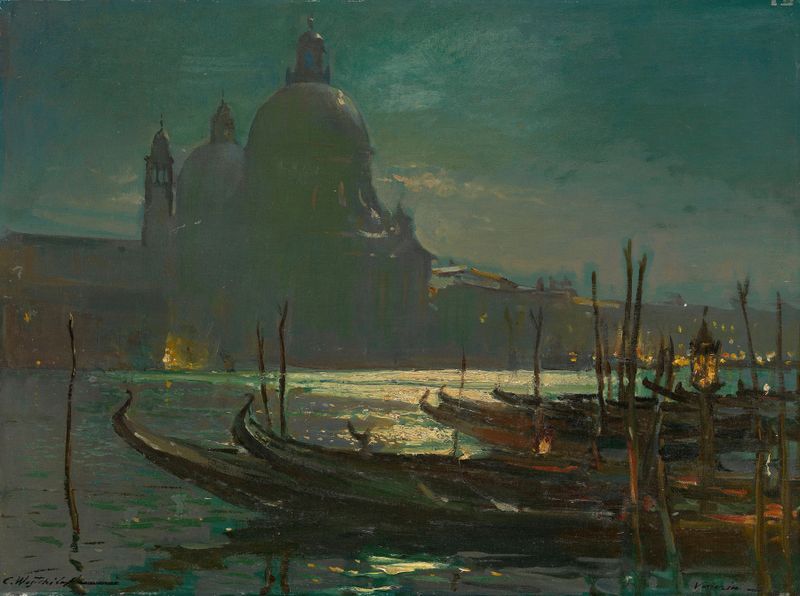
View of Santa Maria della Salute at Night
Constantin Westchiloff
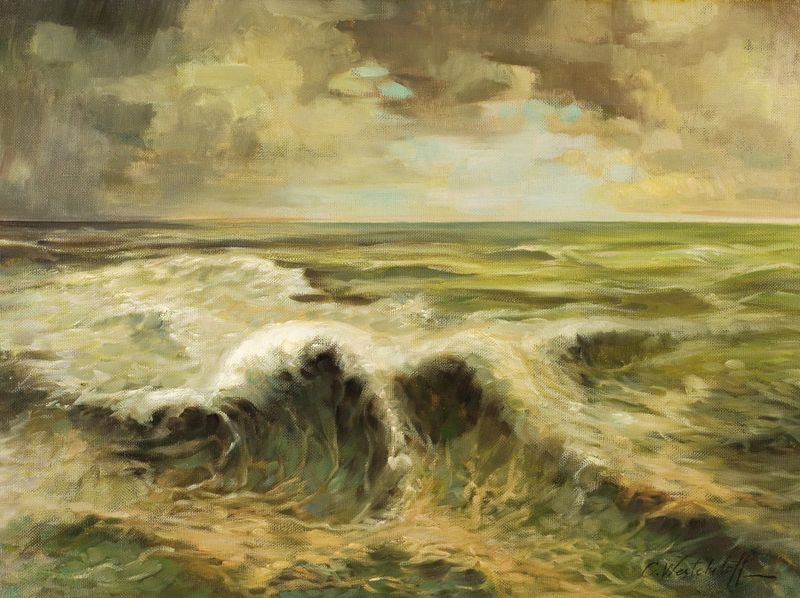
Seascape
Constantin Westchiloff
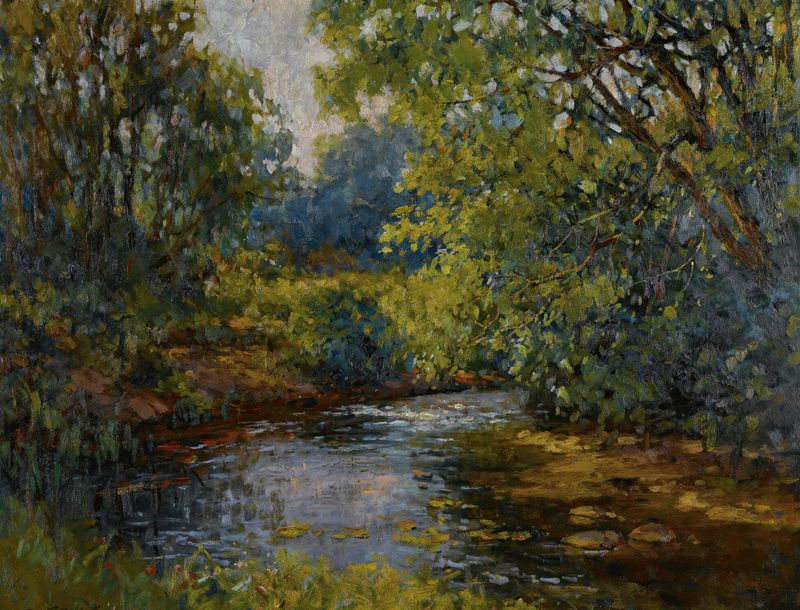
Stream In New England
Constantin Westchiloff
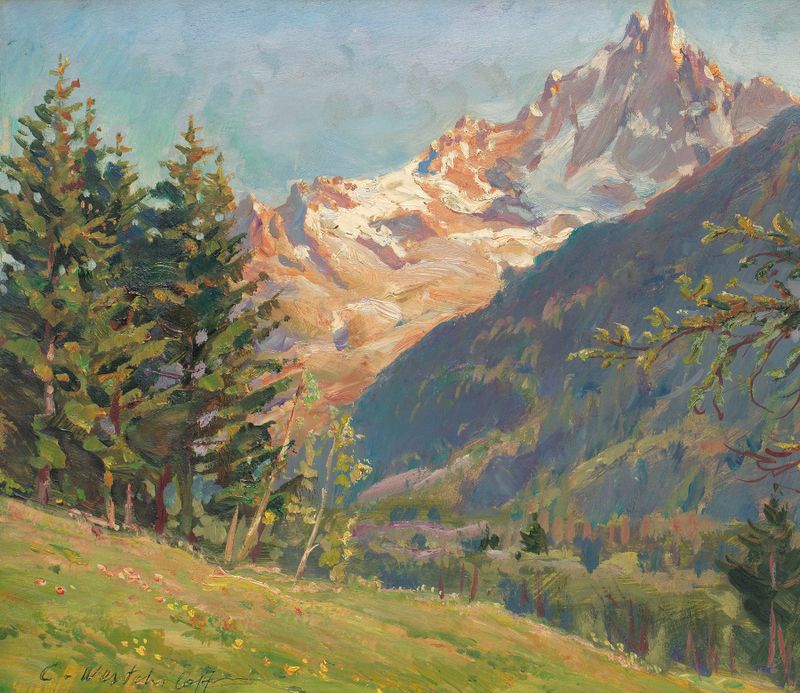
Landscape
Constantin Westchiloff
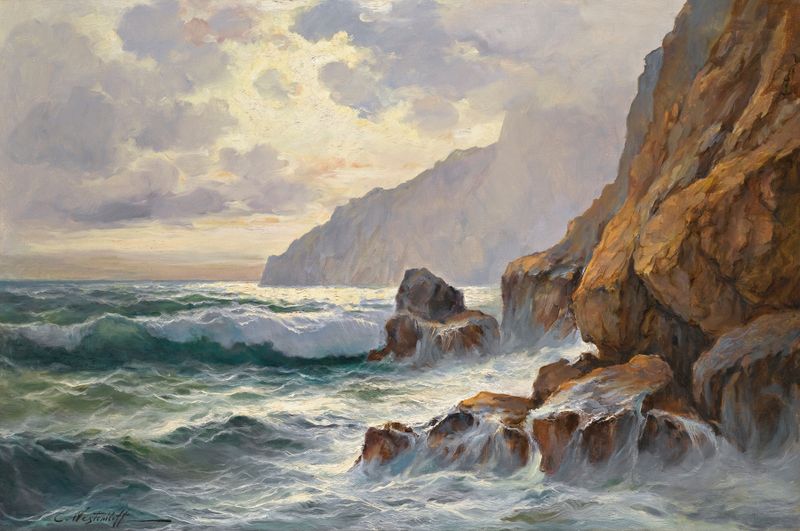
The Rocky Coast
Constantin Westchiloff
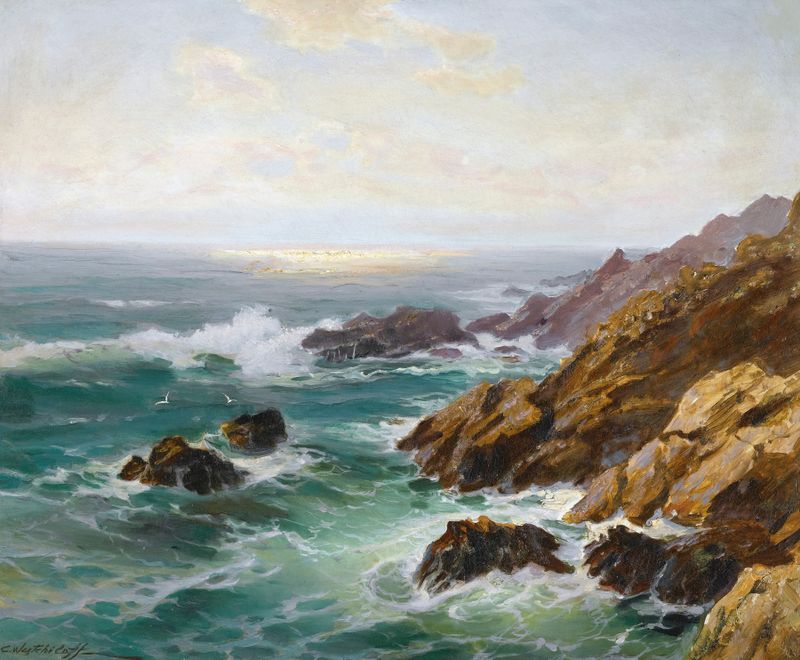
Seascape
Constantin Westchiloff
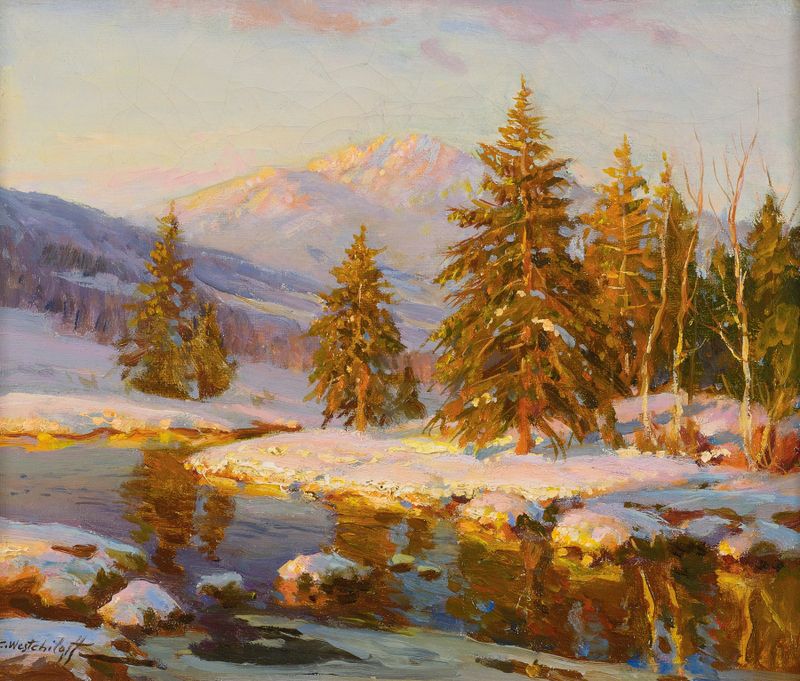
Winter Sunset
Constantin Westchiloff
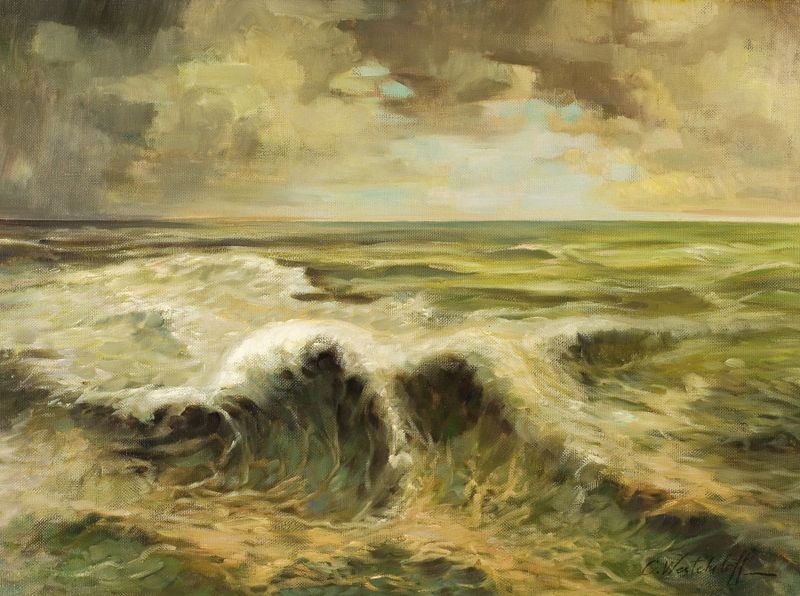
Seascape
Constantin Westchiloff
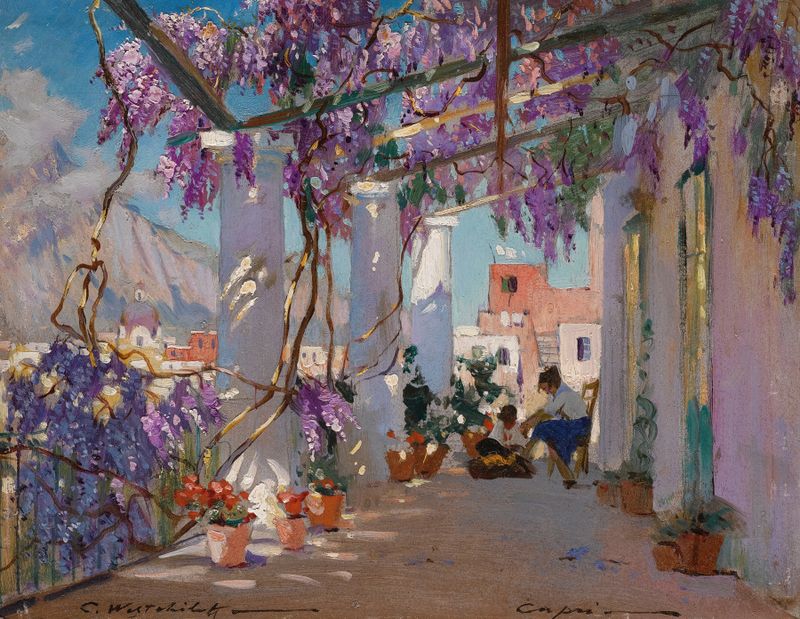
Veranda In Capri
Constantin Westchiloff
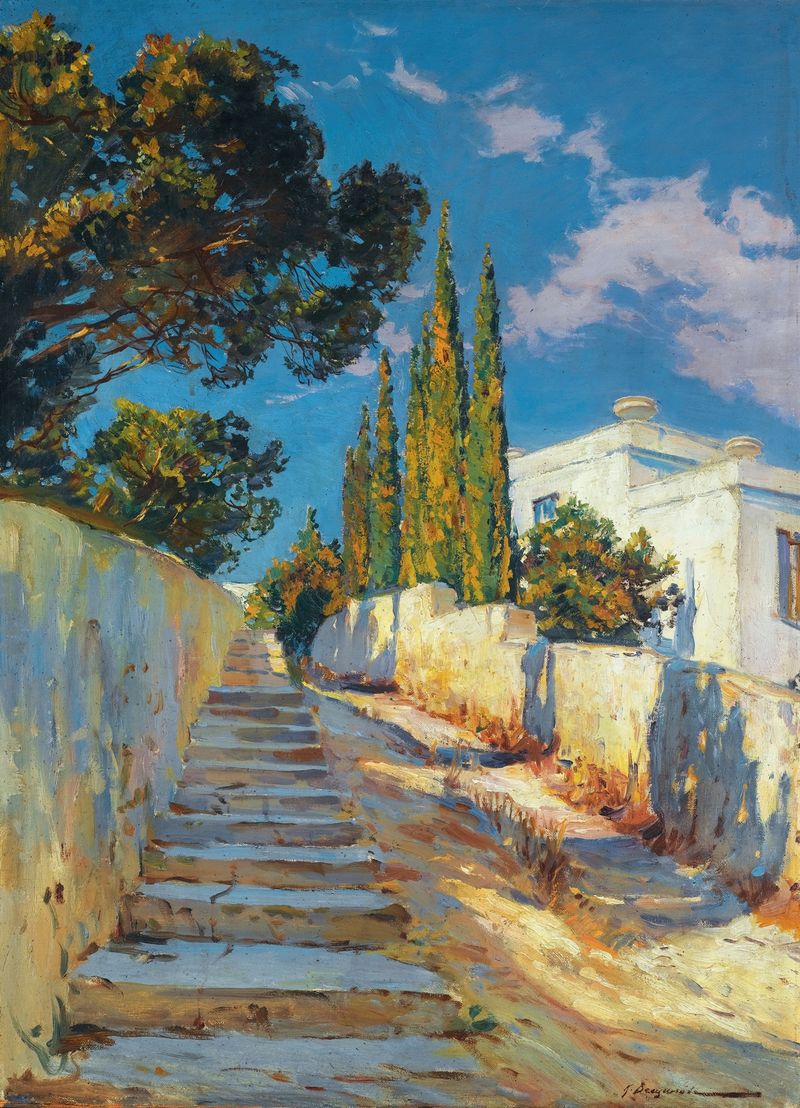
Afternoon Sun, Crimea
Constantin Westchiloff





