
Rodný dom umelca — History & Facts
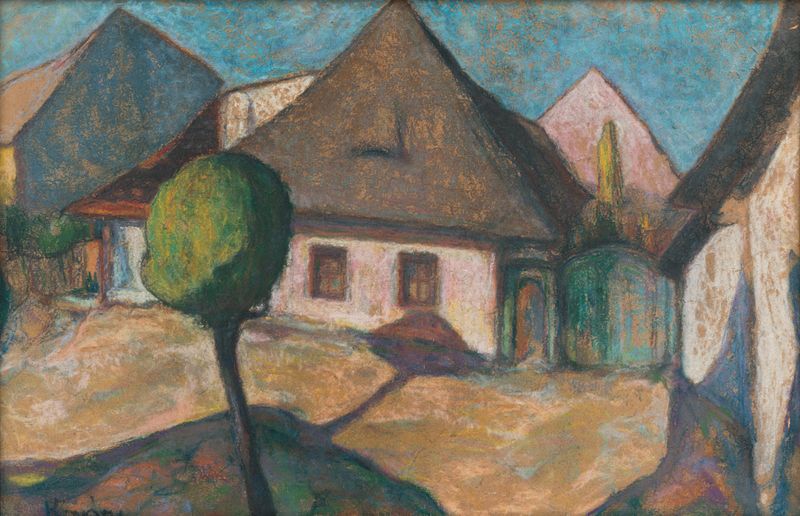
In the quiet corners of perception, fear wraps around the unspoken, urging us to confront what lies beneath the surface of everyday life. Focus first on the stark contrast of light and shadow that delineates the small house, the artist’s birthplace. The warm ochres of the walls draw the eye, while the cool blues of the surrounding landscape create a tension that mirrors an uneasy tranquility. Notice how the brushwork seems to breathe life into the scene—each stroke a whisper, each hue a heartbeat, creating a harmony that feels both inviting and foreboding. Delve deeper, and one can sense the emotional weight embedded in the artwork.
The house, a symbol of origins, stands resilient yet isolated, suggesting an underlying tension between heritage and the passage of time. The overhanging branches, like protective guardians, hint at memories held close, yet their reach also speaks to an inevitable encroachment of the unknown. There is a palpable fear of change and the vulnerability that comes with it, inviting viewers to explore their own connections to place and identity. During the years 1911-1912, the artist painted this piece in Hungary, a time marked by cultural shifts and growing anxieties in Central Europe.
Kövári-Kačmarik was influenced by the burgeoning modernist movement, which sought to capture the essence of life while grappling with the tumultuous changes around them. His work reflects a personal journey, intertwining his past with the contemporary landscape of art and society.
More Artworks by Konštantín Kövári-Kačmarik
Browse all →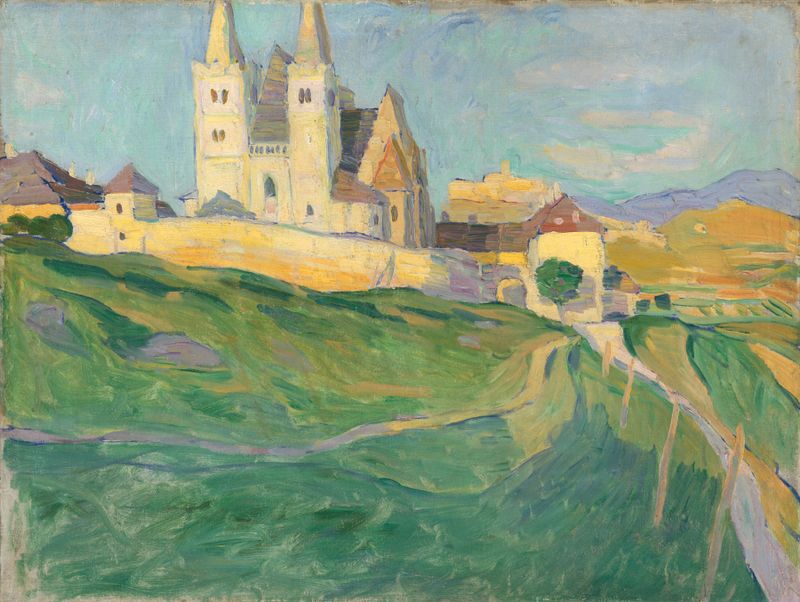
Spišská Kapitula
Konštantín Kövári-Kačmarik
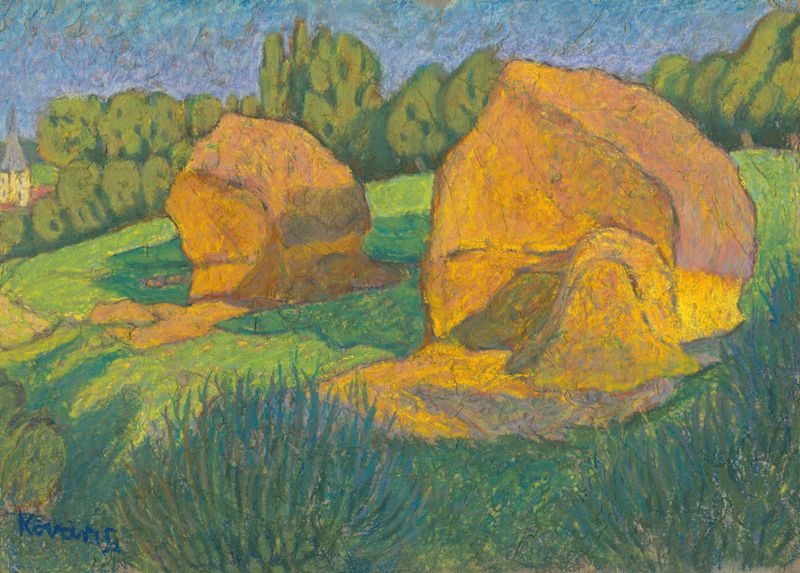
Krajina so stohmi
Konštantín Kövári-Kačmarik

Krátka ulica v Košiciach
Konštantín Kövári-Kačmarik
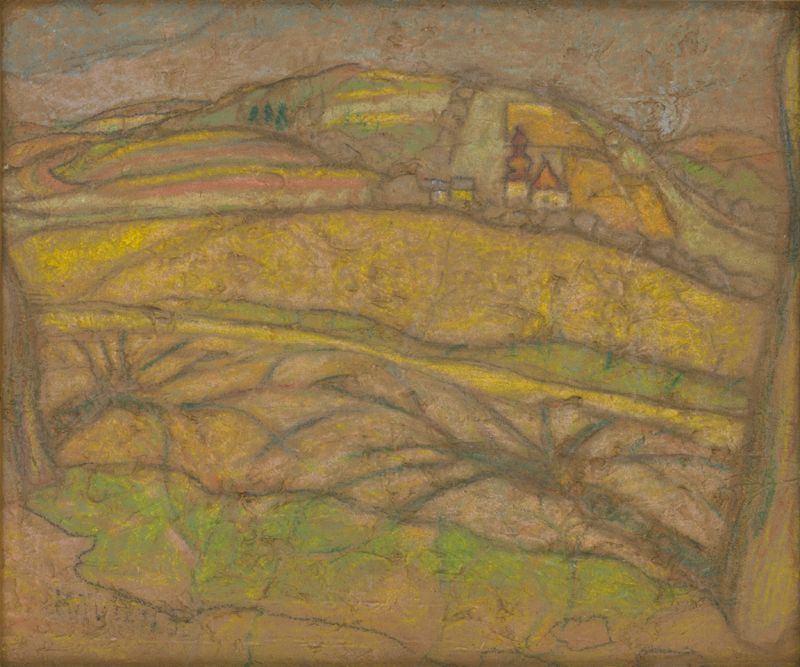
Kalvária pri Košiciach
Konštantín Kövári-Kačmarik

Ulica v Kežmarku
Konštantín Kövári-Kačmarik
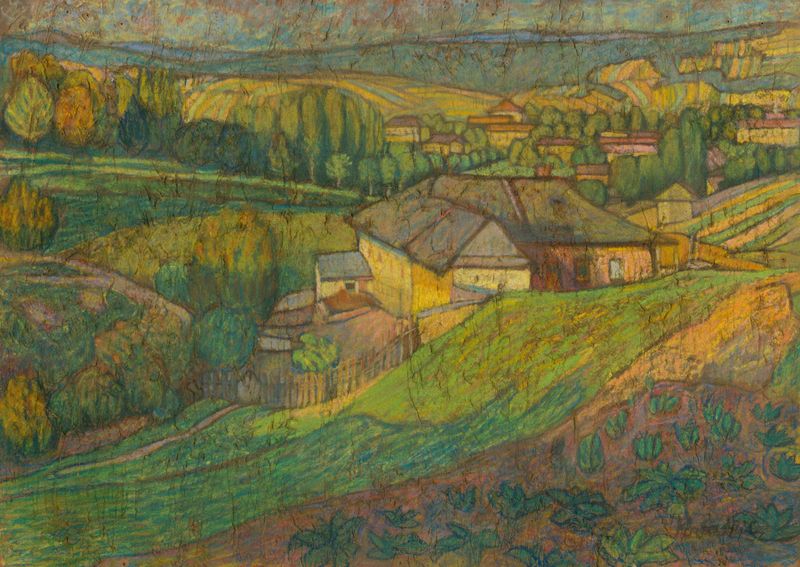
Pohľad na Kalváriu
Konštantín Kövári-Kačmarik
Old Košice
Konštantín Kövári-Kačmarik
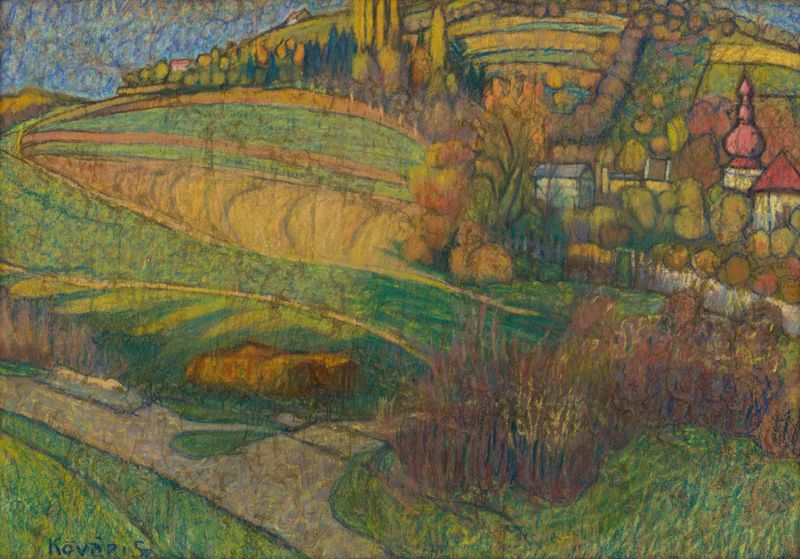
Krajina
Konštantín Kövári-Kačmarik

Krajina
Konštantín Kövári-Kačmarik
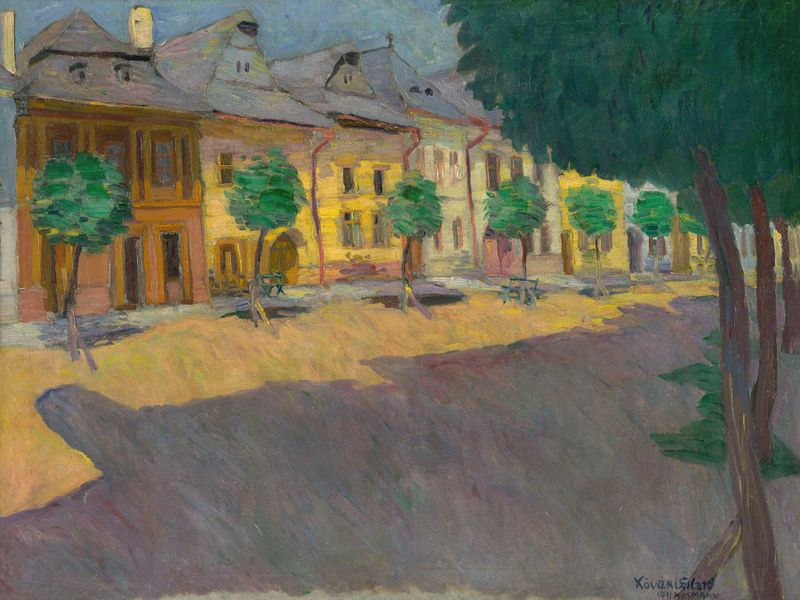
Ulica v Kežmarku
Konštantín Kövári-Kačmarik
More Architecture Art
Browse all →
The statue of Liberty
Frédéric Auguste Bartholdi

View of Houses in Delft, Known as ‘The Little Street’
Johannes Vermeer

View of Houses in Delft, Known as ‘The Little Street’
Johannes Vermeer

The Cathedral in Rouen. The portal, Grey Weather
Claude Monet

The yellow house
Vincent van Gogh

The Church in Auvers-sur-Oise, View from the Chevet
Vincent van Gogh