
Rolschildering — History & Facts
What if beauty was never meant to be finished? In the layers of Rolschildering, an unfinished canvas speaks to the heart's yearning for completion and the hope that resides in imperfection. Focus on the delicate strokes, where the paint has been meticulously layered, creating a mesmerizing texture that hints at elaborate detail just beyond reach. Notice how the vibrant colors blend and contrast, illuminating patches of light dancing across the unfinished sections, suggesting a narrative that is alive yet suspended. The interplay between shadow and light draws the eye, pulling you deeper into a world that feels both familiar and enigmatic. Hidden within the brushstrokes lies a poignant tension between what is present and what remains unseen.
Each incomplete element invites the viewer to ponder what may have been: aspirations halted, dreams abandoned, yet filled with a sense of potential. The unfinished nature ignites a dialogue about the beauty found in the journey rather than the destination, echoing the human experience of longing and hope. Created between 1575 and 1600, this work stands as a testament to an artist who remains anonymous, yet whose intentions resonate deeply within the art community of the time. This period was marked by a shift towards personal expression and exploration in artistry, reflecting the broader social and political changes in Europe.
The artist, perhaps contending with their own uncertainties, embraced the incompleteness that now invites us to engage with the work, challenging our perceptions of beauty and fulfillment.
More Artworks by Unknown Artist
Browse all →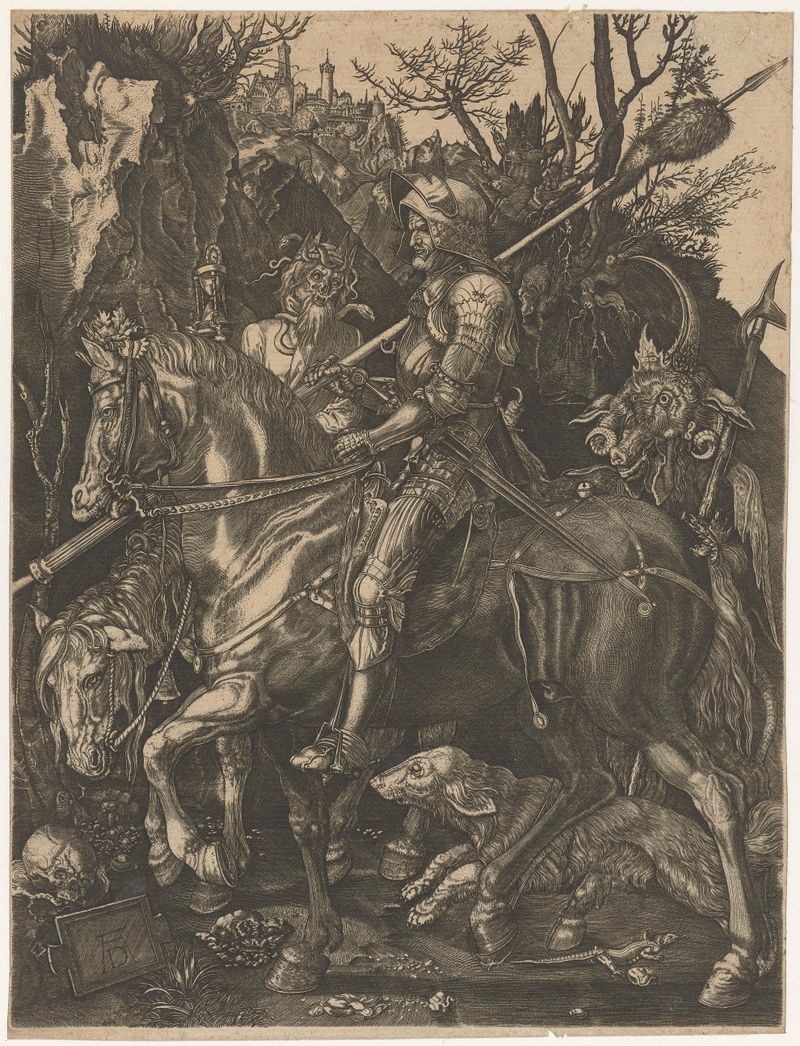
Ridder, Dood en Duivel
Unknown Artist
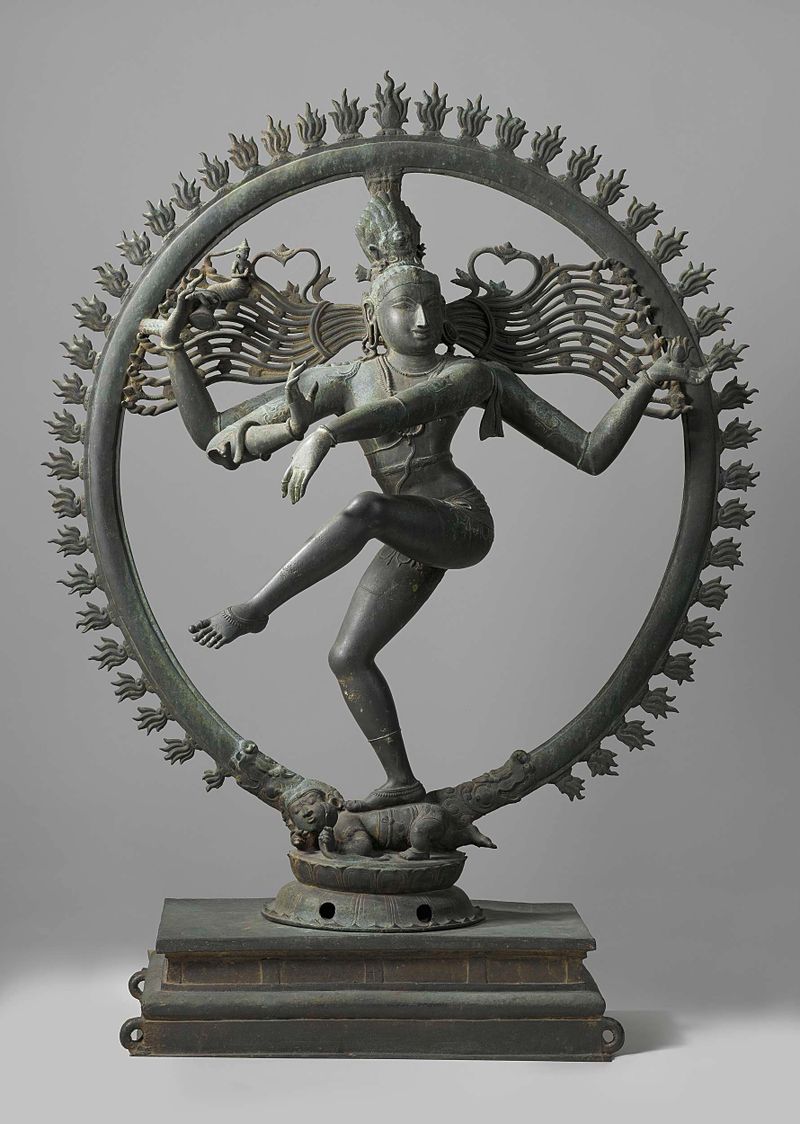
Shiva Nataraja
Unknown Artist
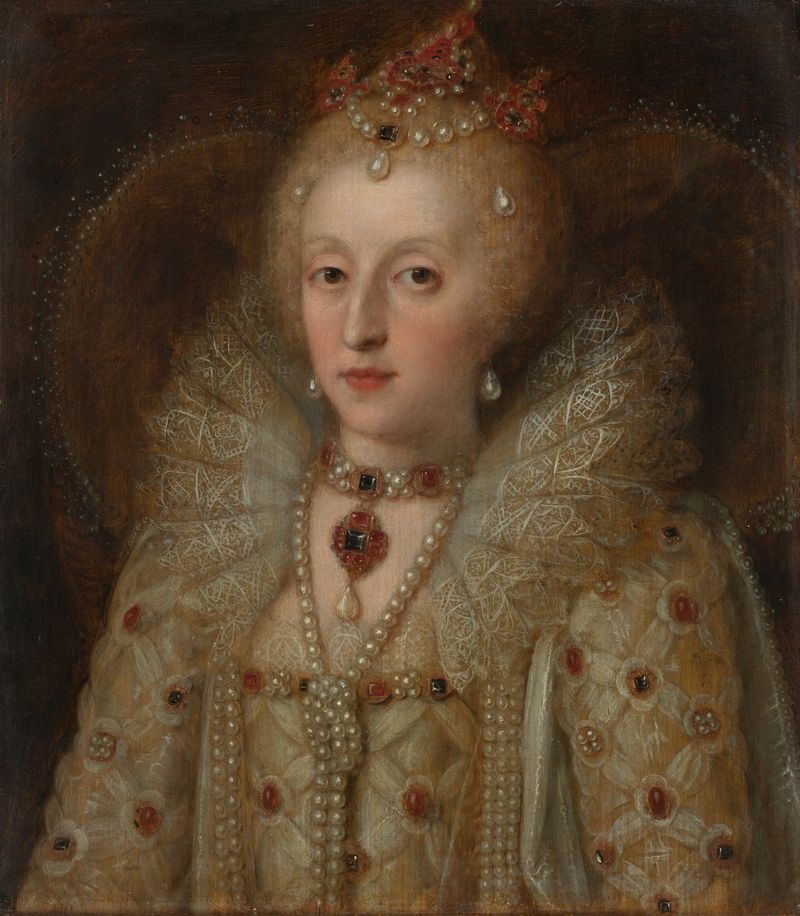
Portrait of Elizabeth I, Queen of England
Unknown Artist
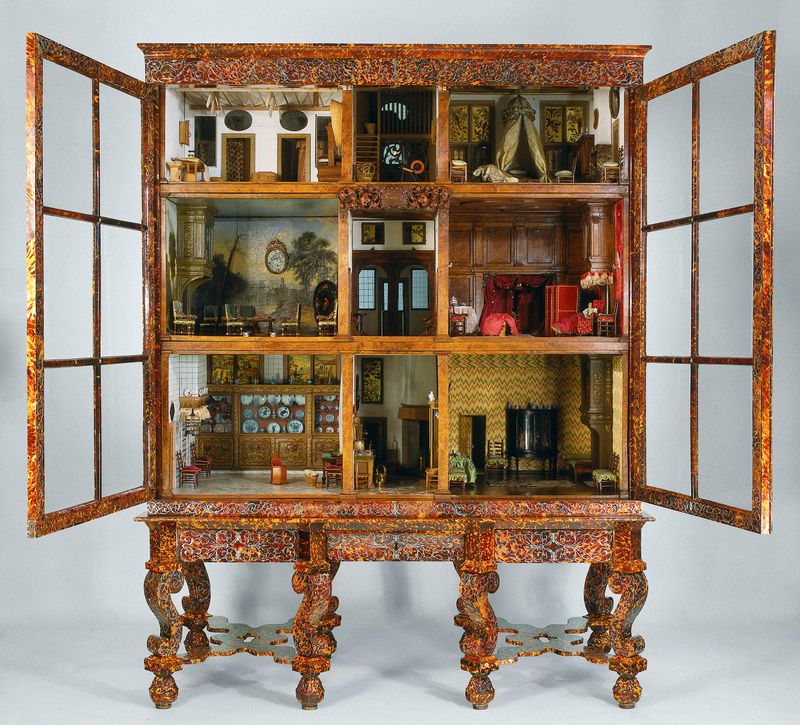
Dolls’ house of Petronella Oortman
Unknown Artist
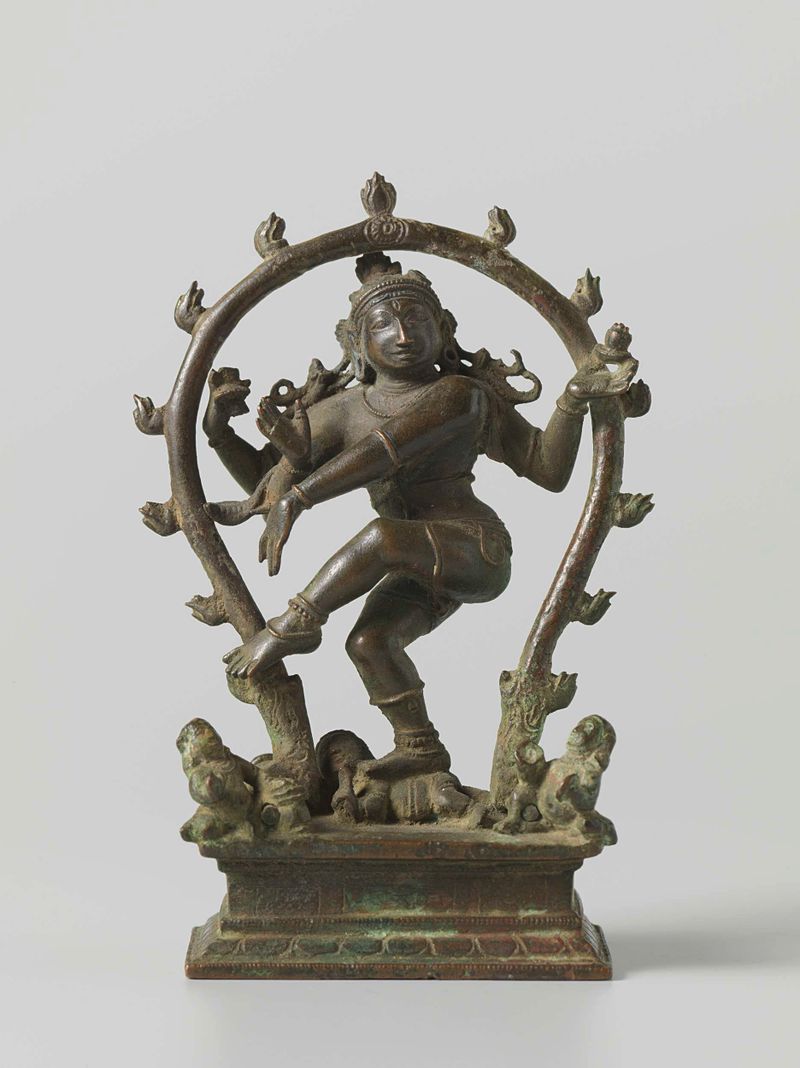
Shiva Nataraja
Unknown Artist

The Tale of Genji
Unknown Artist

The Tale of Genji
Unknown Artist

Cong
Unknown Artist
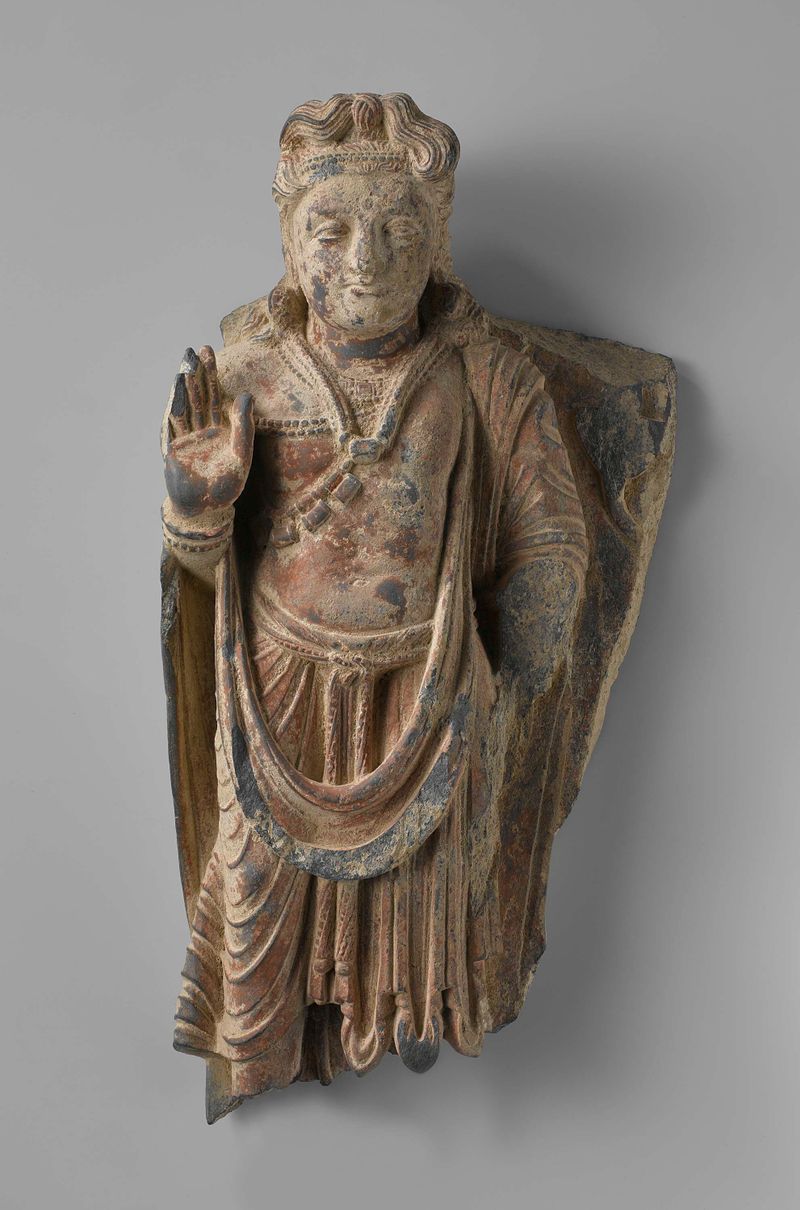
The bodhisattva Maitreya
Unknown Artist

Teabowl with a 'hare's fur' glaze
Unknown Artist





