
Rome, Columns in Torre dei Conti — History & Facts
In the whispers of time, the remnants of history echo, inviting us to ponder the legacy left behind. What stories do the weathered columns tell, and how do they cradle the memories of a forgotten past? Look to the left at the towering columns, their intricate details carved with an artist's precision, standing proud against the soft blues and muted ochres of the sky. Notice how the light caresses the rich textures of the stone, illuminating the subtle shadows that dance across their surfaces.
The composition balances the majesty of these ruins with the expansive horizon, inviting the viewer to wander between the past and present, each element harmonizing in a solemn farewell to bygone grandeur. Beneath the surface, a silent tension lies in the juxtaposition of strength and decay. The columns, though formidable, reveal signs of erosion, symbolizing the inevitable passage of time. Each crack and crevice tells a story of resilience, yet also of fragility, as if beauty is continuously intertwined with loss.
This duality urges the observer to consider the weight of legacy—what remains and what is lost in the march of history. In 1876, Schönn painted this evocative scene of the Torre dei Conti while living in Rome, where he was deeply inspired by the city’s rich classical architecture. This period marked a resurgence of interest in ancient forms, as artists sought to capture the essence of history. Schönn’s work emerged amidst a cultural landscape transforming under the weight of modernity, reflecting both reverence and contemplation of Italy’s storied past.
More Artworks by Alois Schönn
Browse all →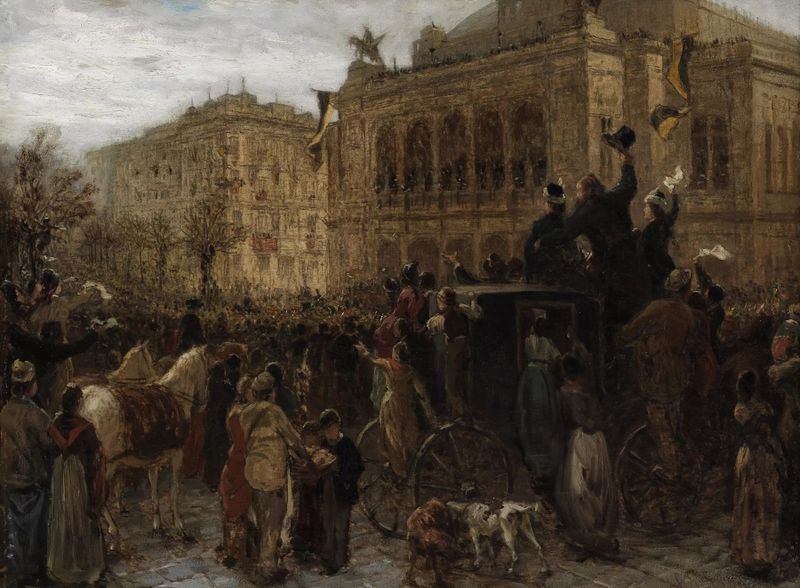
Einzug des Infanterieregiments unter Anton Freiherr Mollinary von Monte-Pastello
Alois Schönn
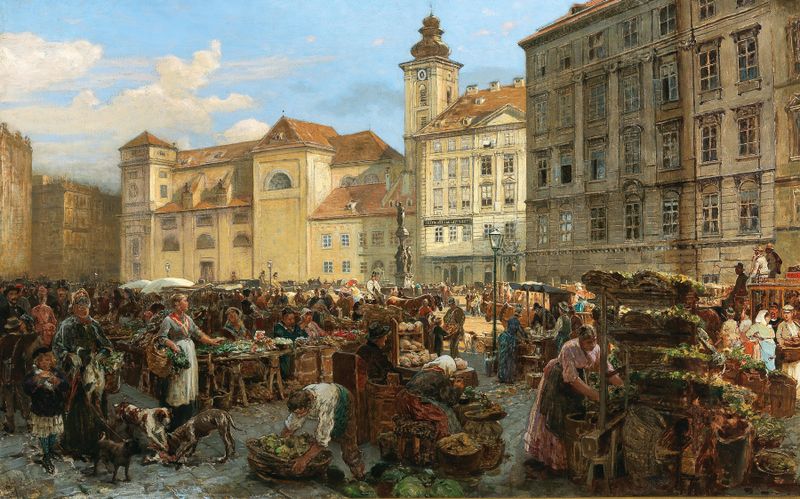
Vienna, a view of the market on Freyung
Alois Schönn
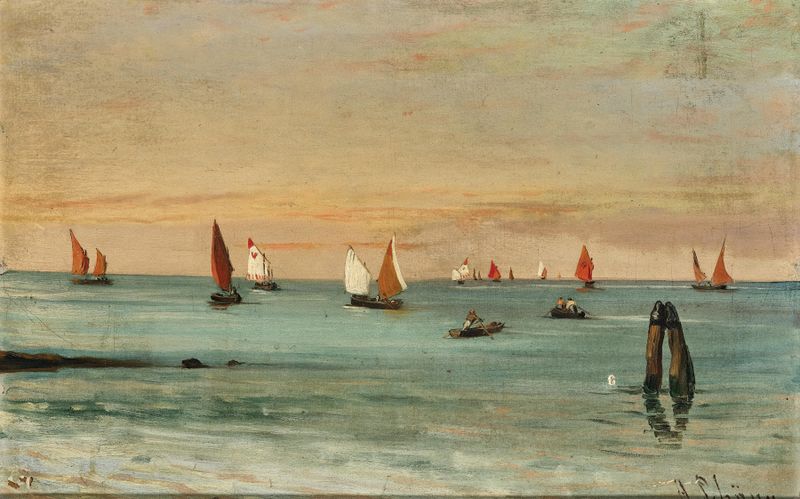
Sailing in a lagune
Alois Schönn
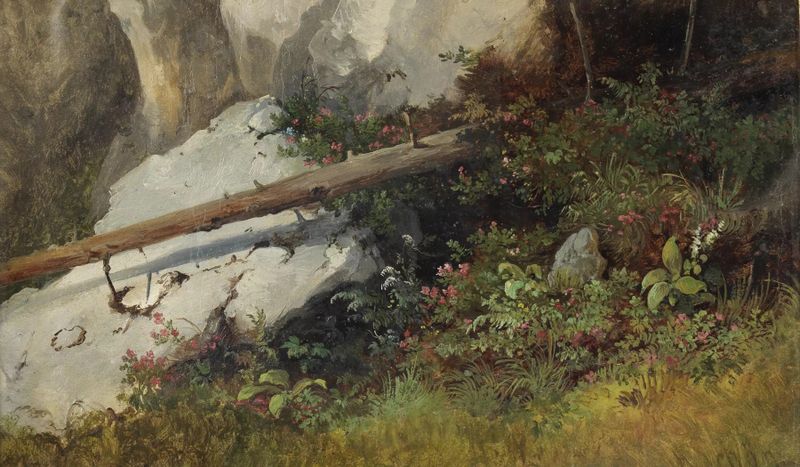
Wiesenstück vor felsigem Hintergrund
Alois Schönn
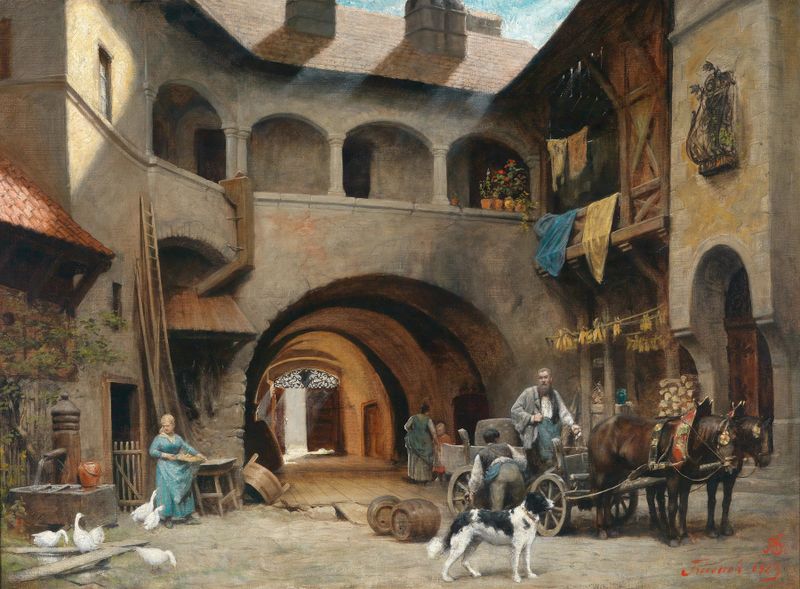
Alter Hof in Friesach mit Fuhrwerk
Alois Schönn
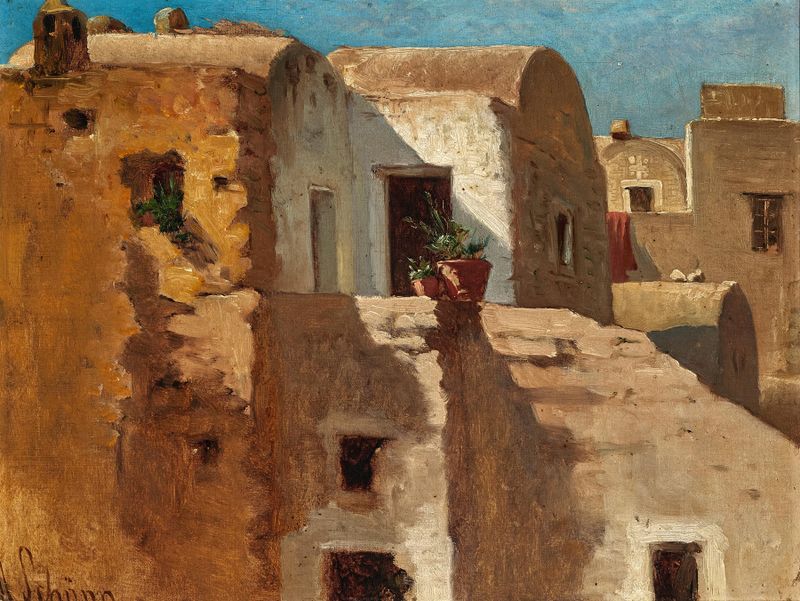
A Terrace in Taormina, study
Alois Schönn
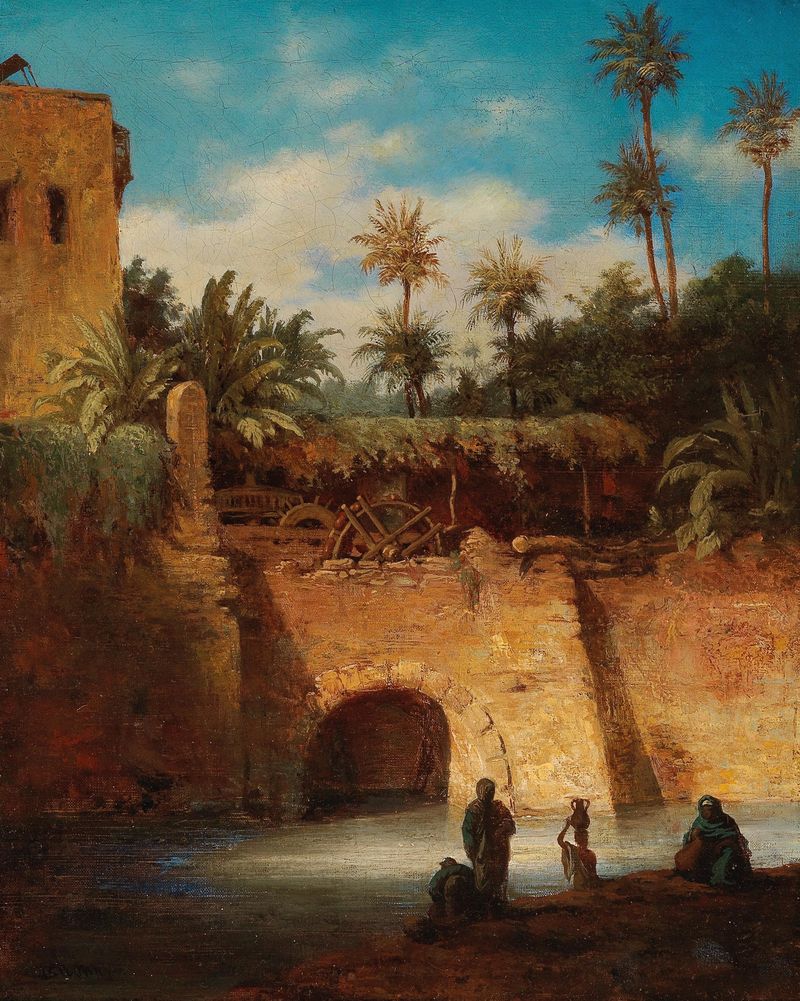
Water Carriers By The Mill
Alois Schönn
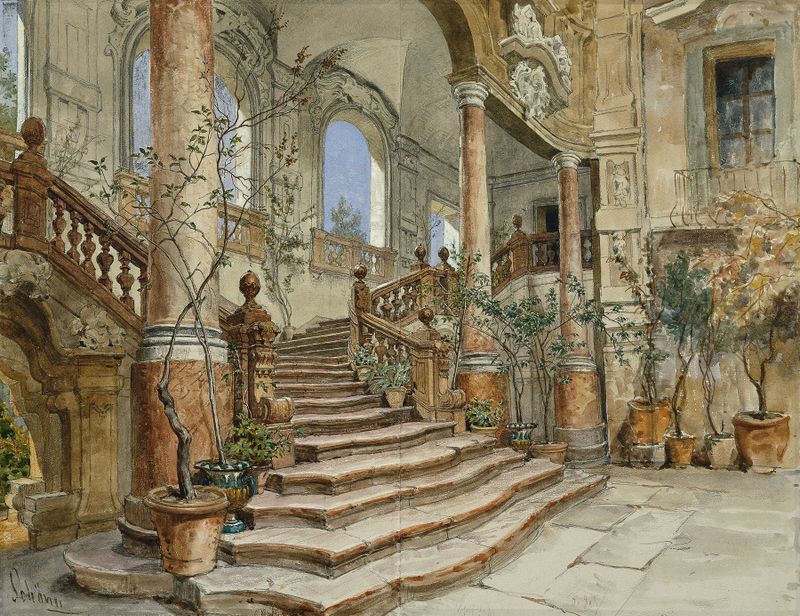
Marmortreppe im Palazzo Bonagia in Palermo
Alois Schönn
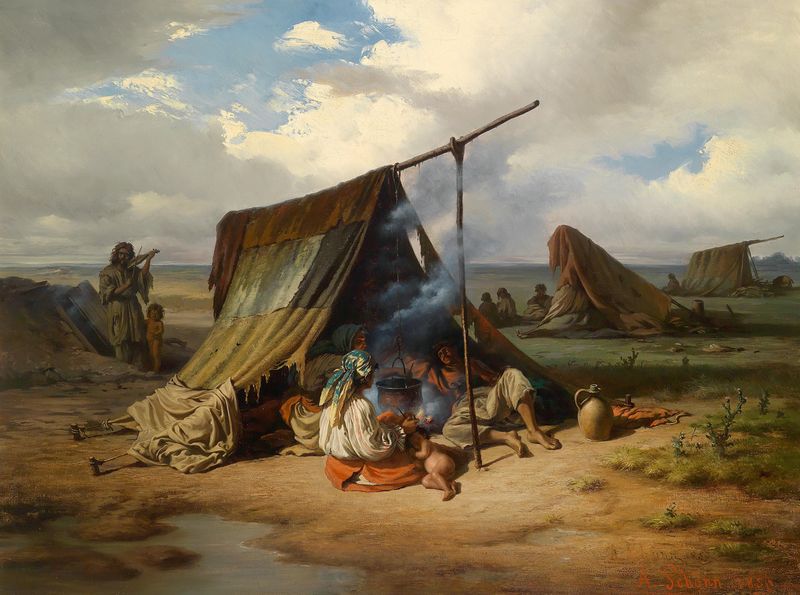
Lagernde Zigeuner
Alois Schönn
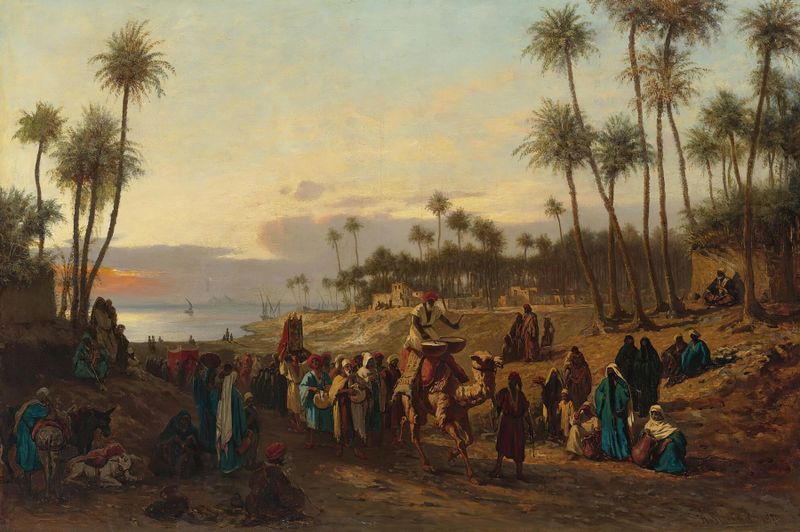
L’arrivée de la mariée
Alois Schönn
More Architecture Art
Browse all →
The statue of Liberty
Frédéric Auguste Bartholdi

View of Houses in Delft, Known as ‘The Little Street’
Johannes Vermeer

View of Houses in Delft, Known as ‘The Little Street’
Johannes Vermeer

The Cathedral in Rouen. The portal, Grey Weather
Claude Monet

The yellow house
Vincent van Gogh

The Church in Auvers-sur-Oise, View from the Chevet
Vincent van Gogh