Room Interior with Winding Staircase — History & Facts
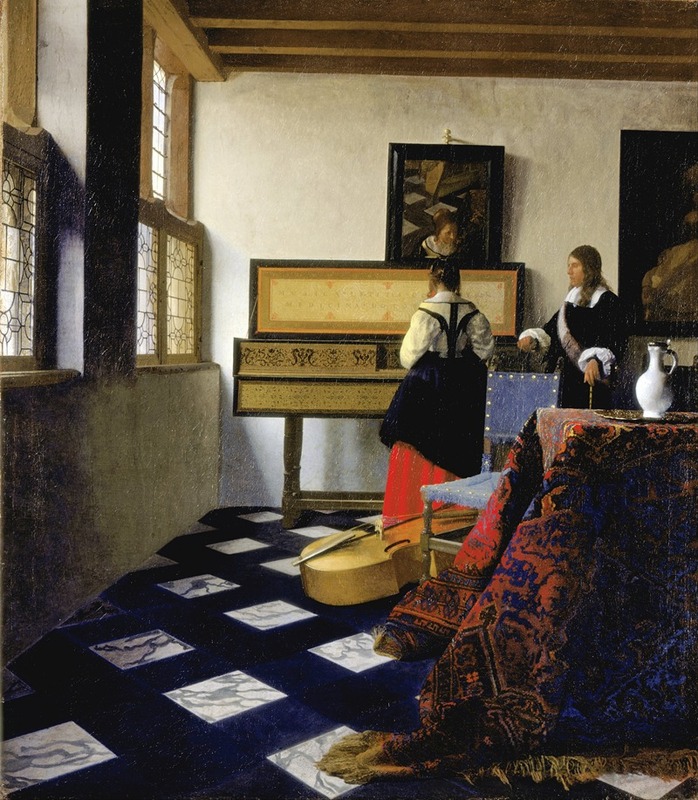
In the stillness of a room, the air seems thick with unspoken stories, a silent witness to the weight of loss. Each brushstroke lingers like a whisper of grief, inviting us to step inside and explore the sorrow that fills every corner. Look to the left at the winding staircase, its spirals curling into a quiet embrace. The muted palette of warm browns and soft greys creates an atmosphere that is both inviting and melancholic, drawing the eye upward as if to seek solace in the heights.
Notice how the play of light dances upon the staircase, illuminating the wood grain and emphasizing the delicate textures of the surrounding walls. This interplay between shadow and brightness encapsulates a profound tension, reflecting the duality of comfort and despair. In the soft corners of the room, subtle details emerge: the faded upholstery on a chair, the slight wear on the wooden railing, each element a testament to time's passage and the memories anchored within these walls. This space feels inhabited by an absence, a longing for connection that remains just out of reach.
The winding staircase suggests movement, yet it leads to an unseen destination, symbolizing the journey through grief that is as much about the past as it is about the uncertainty of the future. Francis Davis Millet painted this work during a period marked by personal and collective upheaval, likely in the late 19th century. At that time, he was grappling with the complexities of his artistic identity, navigating the transition between realism and impressionism. The art world was undergoing significant changes, reflective of broader societal shifts, and in the midst of this transformation, Millet created a piece that resonates with the enduring themes of memory and loss.