
Rosenborg ved vintertide — History & Facts
What secret hides in the quiet of the canvas? A glimmer of faith breathes through the stillness, echoing the distant whispers of winter's embrace. Look to the left at the majestic outline of Rosenborg Castle, its turrets and gables rendered in soft, muted tones that suggest a peaceful dusk. Notice how the snow blankets the ground, a pure white that contrasts with the subtle browns and greens of the trees lining the path, guiding the eye toward the looming fortress. The cool blues of the sky flirt with the warm glow of the castle’s windows, suggesting life within, illuminating the scene with a quiet warmth. Beneath this serene exterior lies a tension between nature and manmade structures, a reminder of the delicate balance between solitude and community.
The castle, stoic and grand, reflects a steadfastness against the chilling winds of winter, beckoning those who wander close. The stillness of the scene invites contemplation, as if the viewer stands on the threshold of a moment where time has paused, echoing the resilience of faith hidden beneath the surface. In 1853, while creating this piece, the artist was influenced by the Romantic movement sweeping through Europe, characterized by an emphasis on emotion and the sublime. Living in Denmark during this period offered Aagaard an opportunity to explore themes of nature and culture, as he sought to capture the ethereal beauty of his homeland.
This work reflects his deep appreciation for the landscape and its history, imbuing the canvas with a sense of timelessness and reverence.
More Artworks by Carl Frederik Aagaard
Browse all →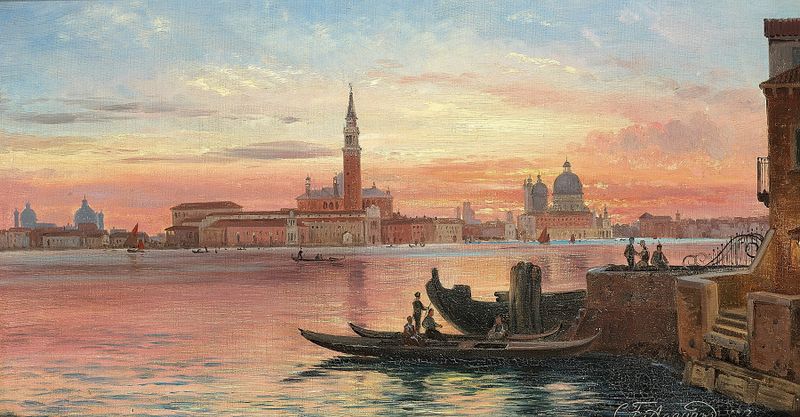
Venedig i solnedgangen
Carl Frederik Aagaard
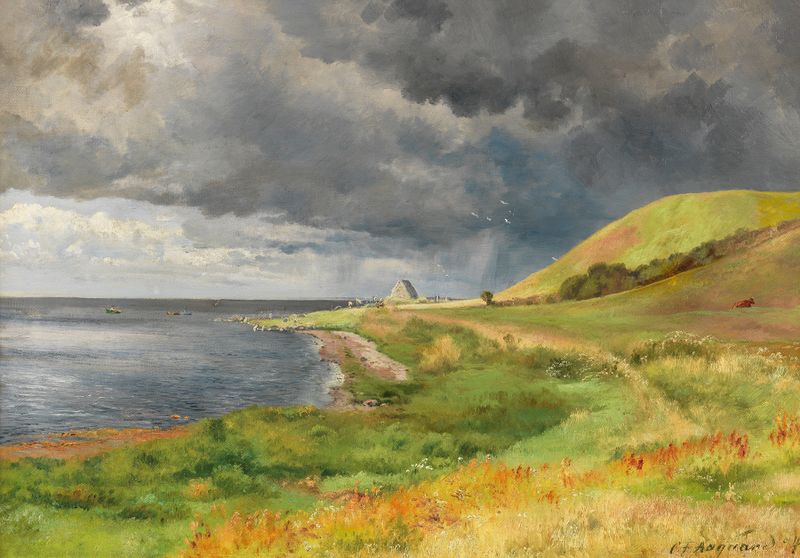
Dansk kystlandskab i bygevejr
Carl Frederik Aagaard

Åløb gennem skoven
Carl Frederik Aagaard

Skittle-alley in Saeby Forest. Spring Morning
Carl Frederik Aagaard

Åløb i skoven, solnedgang
Carl Frederik Aagaard

Niedergehender Schauer an der dänischen Küste
Carl Frederik Aagaard

Parti fra Jægersborg Dyrehave. Mildt Dagslys
Carl Frederik Aagaard
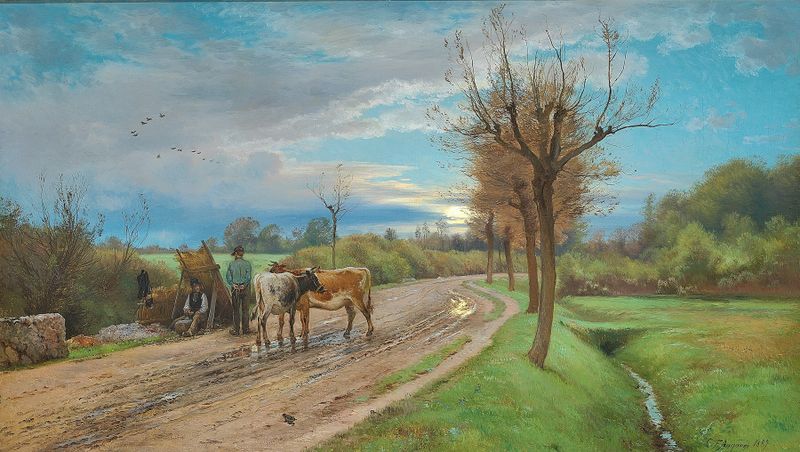
En bonde taler med en vejmand i fuldmånens skær
Carl Frederik Aagaard





