
En bonde taler med en vejmand i fuldmånens skær — History & Facts
Can paint confess what words never could? In En bonde taler med en vejmand i fuldmånens skær, the stillness of night becomes a canvas for unspoken dialogue, weaving a narrative of connection and understanding in the moonlight. Look to the left at the farmer’s outstretched hand, a gesture both inviting and urgent, while the wayfarer's attentive posture draws us into their exchange. The soft glow of the moon bathes the scene in a silvery light, enhancing the contrasting shadows that define their figures. Aagaard’s choice of subdued colors infuses the painting with an air of intimacy, subtly guiding the eye from their earnest expressions to the tranquil landscape that cradles them. Within this serene encounter lies the tension of two worlds: the steadfastness of the farmer and the nomadic spirit of the wayfarer.
Their proximity suggests an exchange beyond words, where movement is both literal and metaphorical. The moonlight not only illuminates the physical space but also hints at the deeper illumination of understanding, bridging the gap between their disparate lives, a fleeting moment frozen in time that vibrates with the pulse of possibility. Carl Frederik Aagaard painted this work in 1889 during a period of burgeoning interest in capturing the essence of rural life and the human experience in Denmark. At this time, he was being recognized for his ability to blend realism with a poetic sensibility, reflecting the social changes of his era while remaining rooted in the traditions of his predecessors.
This painting stands as a testament to that delicate balance, encapsulating a moment of humanity amidst the broader transformations occurring in society.
More Artworks by Carl Frederik Aagaard
Browse all →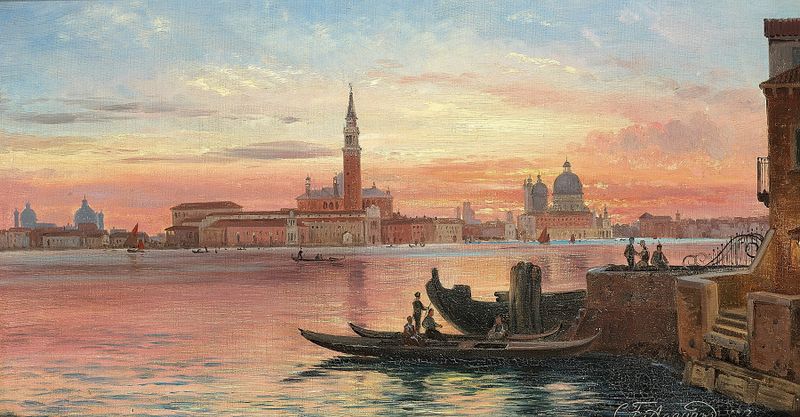
Venedig i solnedgangen
Carl Frederik Aagaard
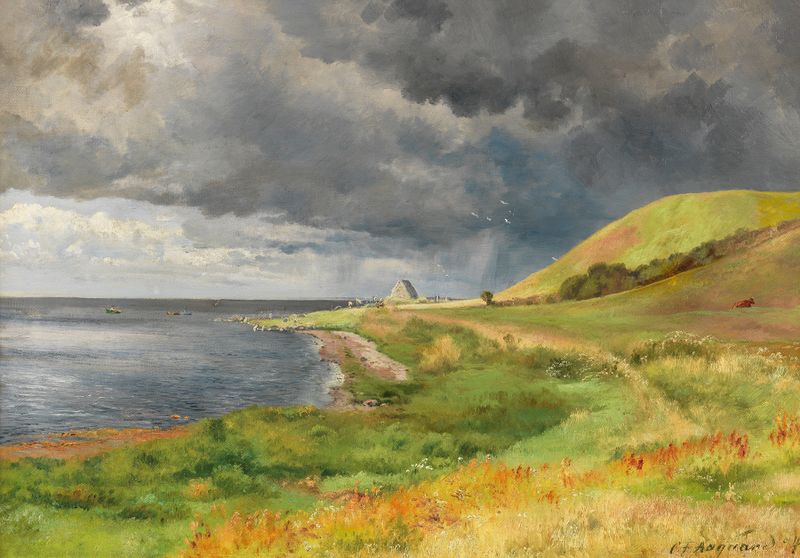
Dansk kystlandskab i bygevejr
Carl Frederik Aagaard

Åløb gennem skoven
Carl Frederik Aagaard

Skittle-alley in Saeby Forest. Spring Morning
Carl Frederik Aagaard

Åløb i skoven, solnedgang
Carl Frederik Aagaard

Niedergehender Schauer an der dänischen Küste
Carl Frederik Aagaard

Parti fra Jægersborg Dyrehave. Mildt Dagslys
Carl Frederik Aagaard
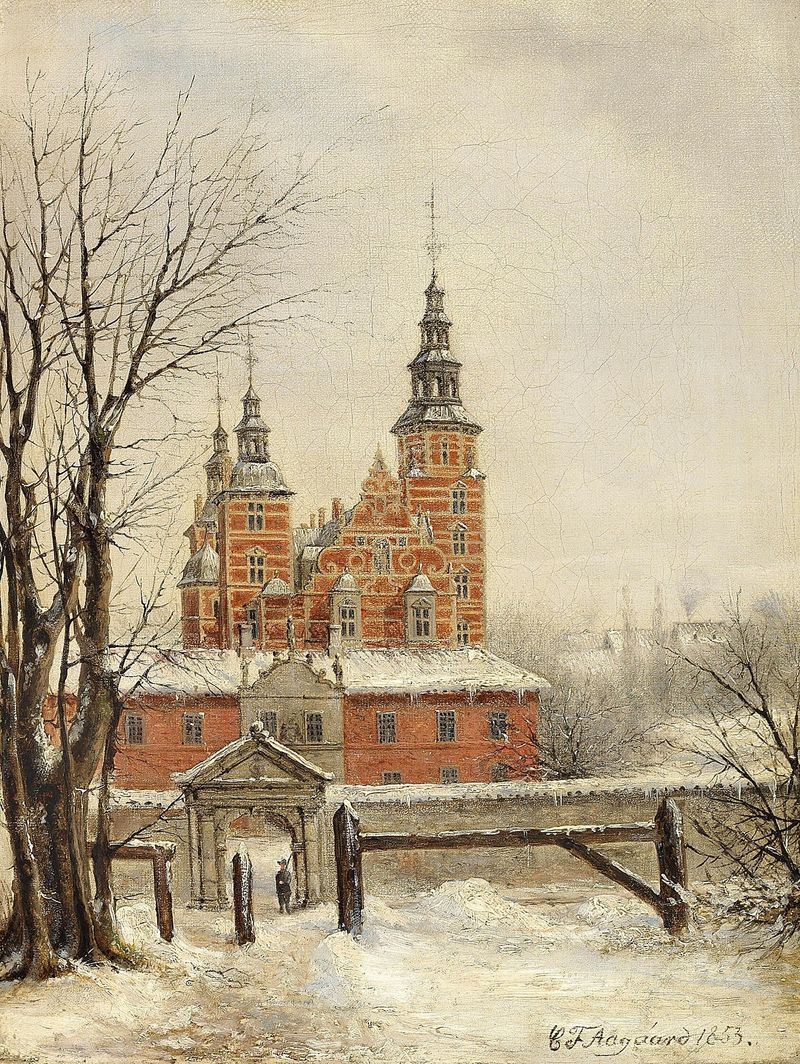
Rosenborg ved vintertide
Carl Frederik Aagaard





