
Ruapehu from above Wanganui — History & Facts
In the stillness of nature's grandeur, the echo of ecstasy reverberates through the sweeping landscape, where earth meets sky in a passionate embrace. Look to the right at the vibrant, snow-capped peak of Ruapehu, which dominates the composition with an inviting majesty. The artist expertly layers delicate hues of blue and white, allowing the sunlight to dance upon the mountain's surface, creating a sense of depth and atmosphere. The rolling hills below, rendered in softer greens and browns, guide the viewer's eye toward the rising summit, while a gentle mist accentuates the tranquility of the scene. Yet beneath the overwhelming beauty lies a tension between the serene foreground and the imposing mountain.
The juxtaposition of light and shadow reveals the struggle between nature’s peacefulness and its raw power, inviting contemplation on humanity's place within this vast landscape. Flecks of warmth in the foreground contrast against the cool hues, reflecting the ecstasy one experiences when confronted with nature's immensity — a reminder of fleeting joy amidst permanence. In 1868, the artist found inspiration in the breathtaking vistas of New Zealand while living in Australia. It was a time when European aesthetics were increasingly influenced by the natural world, and artists were beginning to embrace a more romantic, yet realistic representation of landscapes.
Chevalier’s depiction not only captured the sublime beauty of Ruapehu but also anticipated the Impressionist movement, as he sought to convey the emotional resonance of place, bridging the gap between the observable and the transcendent.
More Artworks by Nicholas Chevalier
Browse all →
Coast near Dunedin
Nicholas Chevalier
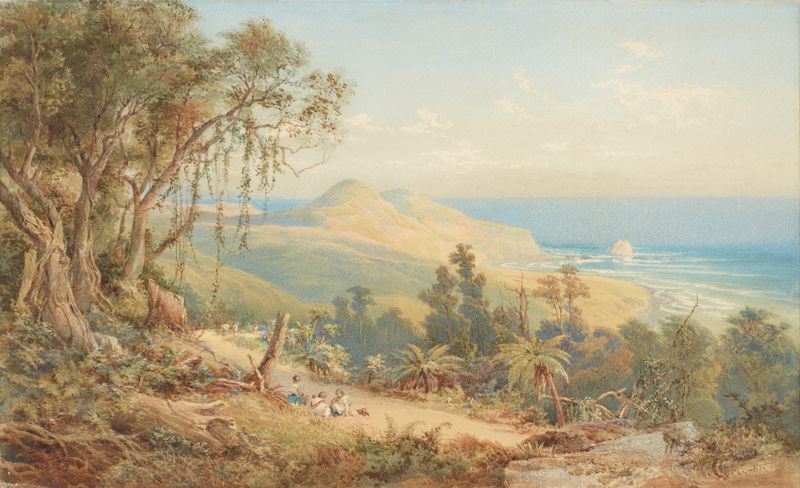
Sandfly Bay, Otago
Nicholas Chevalier

Buckler Burn at the head of Wakatipu Lake
Nicholas Chevalier

Mr MacKellar’s Station, the Waimea Plains, Southland
Nicholas Chevalier
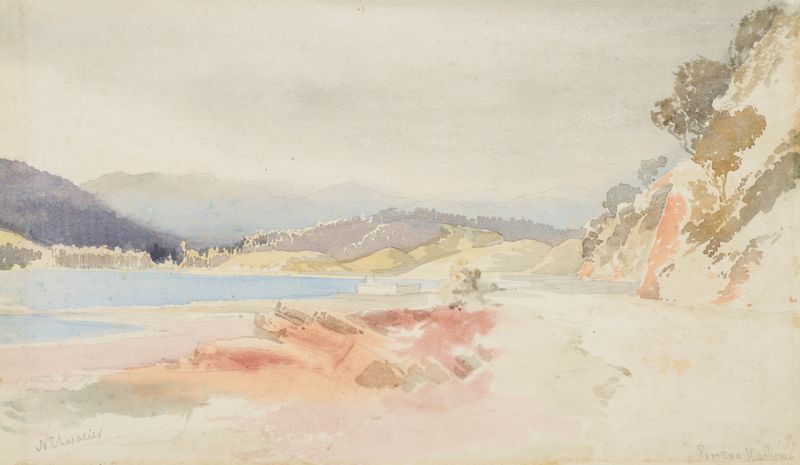
Porirua Harbour
Nicholas Chevalier
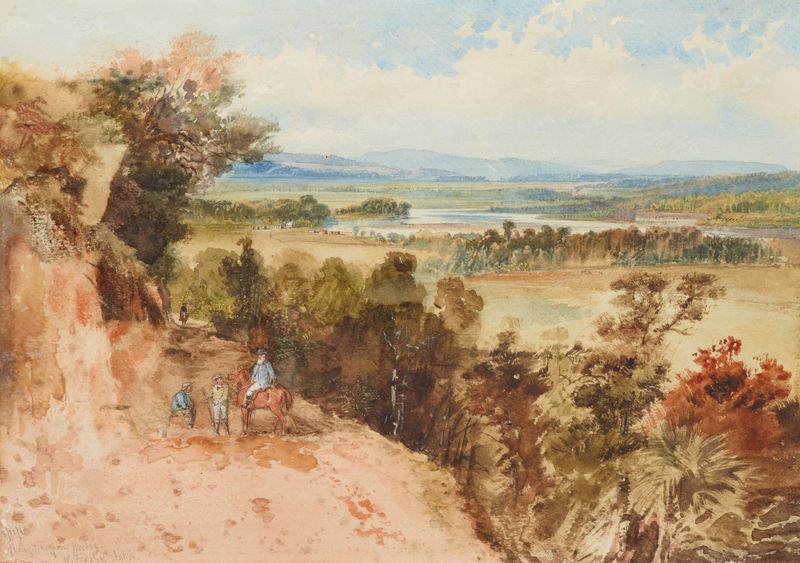
Rangitikei from Westoe, W. Fox Esq’s Station
Nicholas Chevalier

The Upper Rangitikei
Nicholas Chevalier
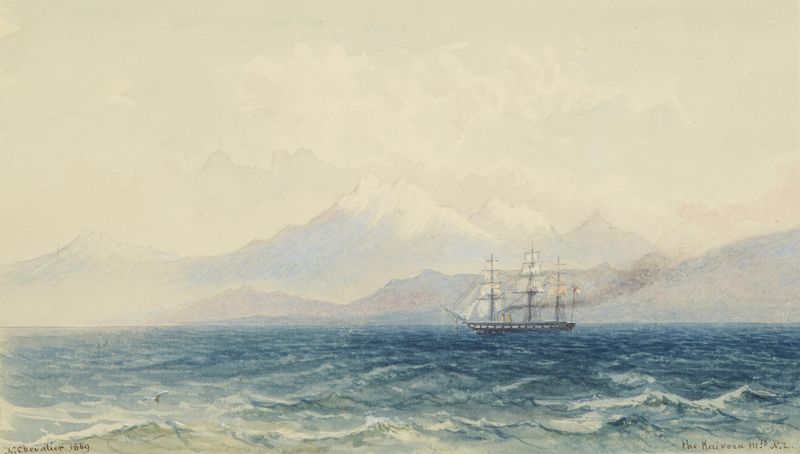
The Kaikoura Mountains, N.Z.
Nicholas Chevalier

Upper Hutt Valley
Nicholas Chevalier

The Tararua Mountains and the Waipoua River
Nicholas Chevalier





